
Keir Starmer’s UK-Africa reset never delivered, as his resignation closes an unfinished chapter
A promised partnership, two years of scale-backs, and now a leadership exit leave real questions about Britain’s long-term commitment to Africa.
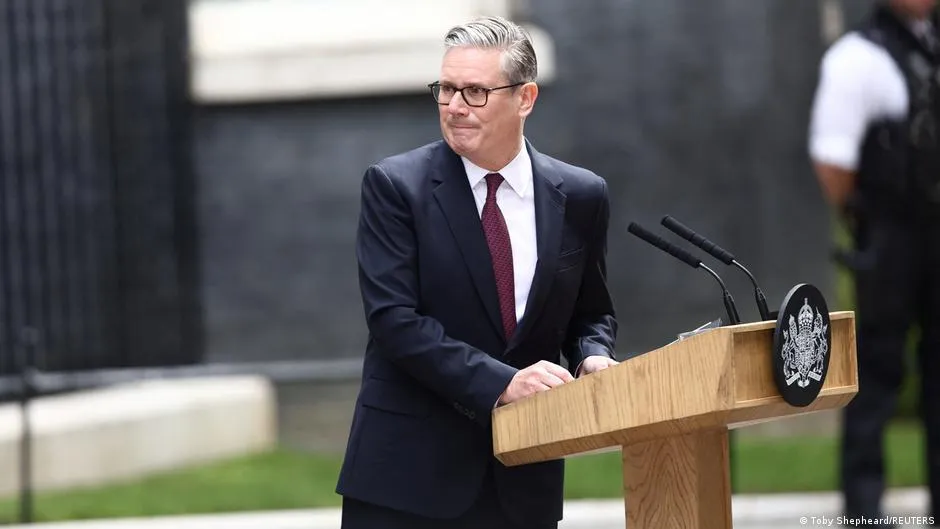
UK Prime Minister Keir Starmer pledged a fresh UK-Africa partnership in 2024, but two years later, his resignation leaves ambitions unfinished. Decision-makers now face scaled-back aid and unresolved questions about how durable the UK’s Africa strategy really is.
Keir Starmer promised a “reset” of UK-Africa relations in 2024. Two years later, his resignation has turned that promise into a lingering file marked “not delivered,” with unfinished ambitions, scaled-back aid, and growing questions about whether Britain’s long-term commitment to Africa will hold.
That sequence matters for anyone tracking not just foreign policy headlines, but also the pipelines where development finance, contracting opportunities, and partner-country cooperation usually get their momentum. In this case, the gap between the 2024 pledge and the 2026 leadership exit is the story. The reset was meant to signal a renewed partnership. Instead, Starmer’s departure leaves behind reduced support and unresolved direction, which is exactly the kind of uncertainty that can slow collaboration, complicate planning, and quietly reshape expectations on the ground.
To understand why this is more than a symbolic political ending, it helps to remember how UK-Africa engagement typically works. “Aid” is rarely a stand-alone check. It tends to connect to multi-year frameworks, program design cycles, and partner governments’ budgeting and procurement timelines. When aid levels are scaled back, the effect is not just “less funding.” It can mean projects lose continuity, implementers renegotiate workplans, and local stakeholders adjust their timelines. And when the leadership champion for a strategy exits, the political continuity that partners rely on becomes harder to predict.
There is also a broader governance reality. Major international initiatives usually require sustained coordination across domestic departments, overseas delivery partners, and counterpart institutions abroad. If a reset is announced, it still needs to survive shifting priorities, cabinet reshuffles, and competing fiscal pressures at home. The source points to scaled-back aid as part of what Starmer’s resignation now spotlights. That detail is important because it suggests the partnership did not just fail to grow. It reportedly contracted, which raises the stakes for anyone trying to forecast policy stability from year to year.
For decision-makers, the uncomfortable question becomes: what happens to long-horizon commitments when the political anchor moves? Starmer’s resignation creates a transition moment. Transitions can either reinforce strategic continuity or reset priorities entirely. The source emphasizes “questions about Britain’s long-term commitment,” and that is the kind of uncertainty that can travel. It can influence how partner countries negotiate, how implementing organizations plan delivery staffing, and how counterpart governments structure co-funding arrangements.
Second-order effects show up in the least glamorous parts of execution. Procurement cycles do not pause because a Prime Minister resigns. If aid is scaled back, programs that depend on predictable disbursement schedules may be delayed, re-scoped, or forced to compress timelines. This can affect everything from grant programs to technical assistance and capacity-building efforts. Even if the stated intent remains supportive, scaled-back aid changes the practical operating environment.
Then there is the reputational and signaling layer. When a leader publicly promises a reset and the subsequent period ends with unfinished ambitions and reduced aid, external partners notice. In global relationships, credibility is a form of capital. It affects the ease of building future coalitions, the willingness of partners to invest politically in shared programs, and the margin for error when new initiatives are launched. If Britain’s Africa strategy looks vulnerable to leadership change, partners may hedge, diversify funding sources, or recalibrate what they expect from London.
Finally, there is a strategic stake for peers in similar roles. Whether you are running a board, a development-focused agency, or any organization that depends on stable international frameworks, the underlying lesson is operational: a reset announced in one political moment must be built to endure the next one. Starmer’s resignation closes an unfinished chapter of the 2024 reset, leaving scaled-back aid and unresolved commitment questions. For leaders who design partnerships across borders, that is a reminder to treat continuity as a governance requirement, not a hope.
This story's Key Insights and Take-aways are locked.
Create a free account to unlock Executive Actions for one credit.
Register to UnlockAlways free for Executives Club members. Join the Club
More in Politics

Kemi Badenoch says Andy Burnham’s Britain ambitions are “too small” after business rates cut
A business rates change for pubs and clubs triggers a sharper Conservative-versus-Labour fight over who is backing growth.

Trump pushes tariffs again after legal defeats, sparking GOP unease
Despite losing court fights, the administration moves forward, leaving Republicans to manage the political and market fallout.

Wilbur Ross warns Trump’s Iran exit is a midterms lose-lose: oil prices or “weak” withdrawal
The former commerce secretary tells Fortune the Strait of Hormuz is where voters decide whether “peace” is believable.