
Kevin Feige blinds Hall H with Avengers: Doomsday trailer, Doom unveils Sentinels
The exclusive San Diego Comic-Con footage puts Victor Von Doom, Sue Storm, and a Sentinel army on the clock for Marvel’s next battle.
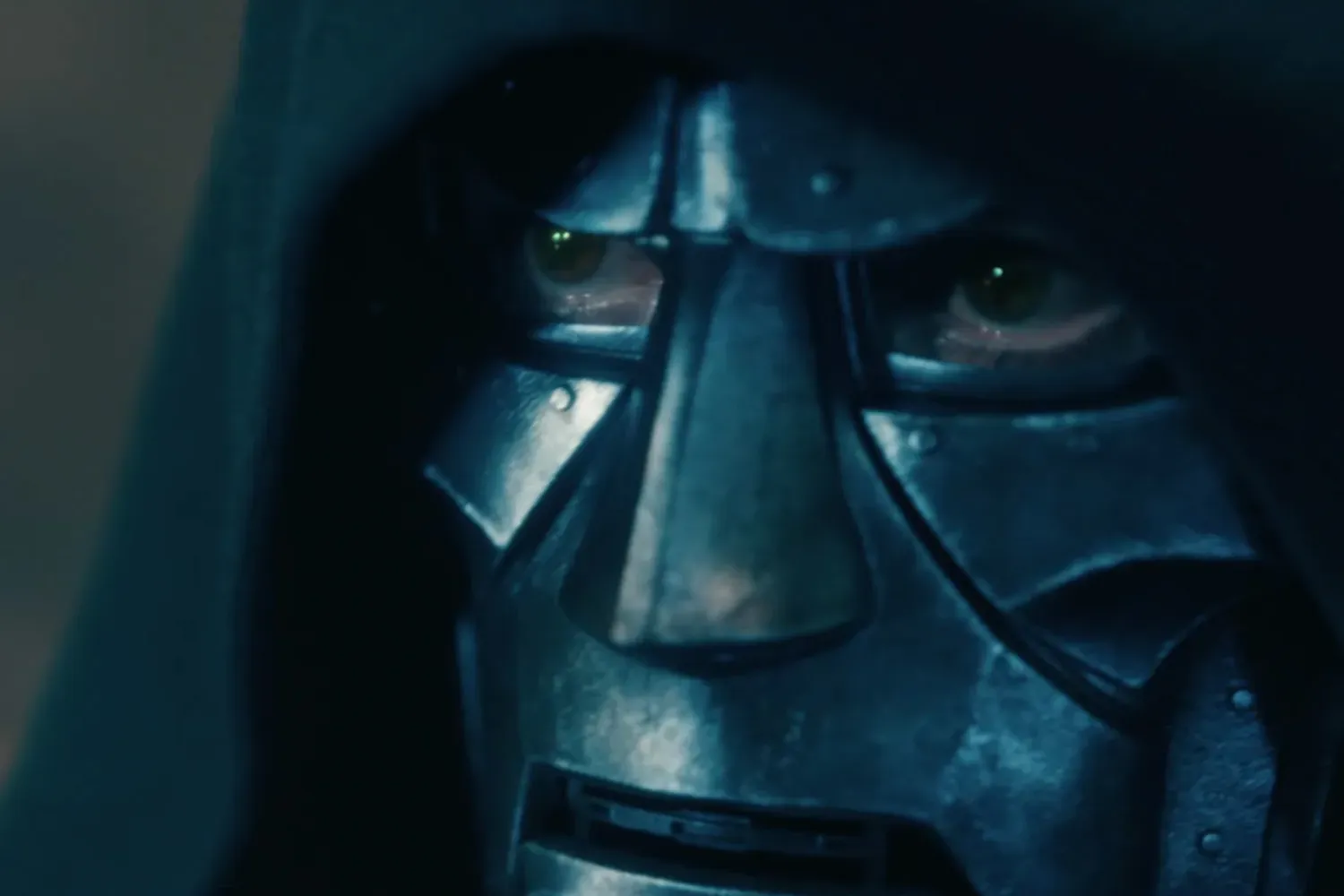
Kevin Feige surprised San Diego Comic-Con attendees by debuting exclusive footage from Marvel Studios’ Avengers: Doomsday in Hall H. For decision-makers watching media capital and franchise risk, the move is a real-time signal of where Marvel is placing its biggest bets next.
Marvel Studios chief Kevin Feige took over Hall H at San Diego Comic-Con with exclusive footage of “Avengers: Doomsday,” shown only inside the convention center’s massive venue. The decision is the kind of scarcity play the entertainment business runs on, and Hall H is the scoreboard: if you want maximum attention from the most influential crowd in the room, you do it there.
The trailer itself opens with Victor Von Doom, played by Robert Downey Jr., sitting on a throne while Vanessa Kirby’s Sue Storm, aka the Invisible Woman, explains what’s happening. Then Doom raises an army of Sentinels, with the trailer framing the threat as something meant to take down major Marvel teams, including the Avengers, Fantastic Four, and X-Men. That matters because it is not just character theater. It is a franchise consolidation move in story form, pulling multiple tentpoles into one coordinated reckoning.
From an industry standpoint, Comic-Con premieres are not only about hype. They are about controlling the narrative in a crowded attention economy. Studios have to compete with streaming, social clips, creator commentary, and the endless cycle of “next trailer” churn. By choosing Hall H and keeping the footage limited to attendees, Marvel effectively creates an initial information moat. The “exclusive footage” label signals that there is something specific and consequential in the pipeline, not a vague promise of “more soon.”
The creative choices in the footage also telegraph how Marvel is thinking about scale. Doom and the Sentinels introduce a threat that can plausibly span multiple story worlds and cast groups. Sue Storm serving as an explanatory anchor inside the trailer is a smart piece of audience choreography. When you combine an iconic antagonist setup (Doom on a throne) with an action-oriented mechanism (Sentinels being raised), you get momentum fast, which is exactly what a trailer needs to earn replays, re-shares, and press coverage.
There is also a second-order effect for business leaders: these releases are milestones that can change how investors and partners value execution risk. Even without any new financial numbers in the reporting, the structure of the announcement is a capital-market signal in disguise. When a studio like Marvel uses a high-profile executive like Feige to debut exclusive footage in one of the most visible media venues on the calendar, it suggests internal confidence in the product’s readiness for broad consumer conversation. That confidence can cascade through licensing discussions, talent calendars, and marketing timelines.
Now, zoom out to the “regulatory background” part of the world this story lives in. Big, cross-over franchise projects sit under a practical compliance umbrella even when they do not make headlines for it. Trailers and promotions are subject to content standards, platform advertising rules, and consumer protection expectations across territories. Studios typically have to ensure their promotional materials do not violate local regulations on advertising claims, age gating, or misleading marketing. In other words, the creative is free to go big, but the business still has to clear gates. A controlled rollout like Hall H can help studios manage how and where footage gets interpreted first, which reduces the chance of misinformation or premature framing before internal messaging is ready.
There is another strategic implication for peers in entertainment leadership roles: Avengers: Doomsday is being marketed as an Avengers-level event with Doom at the center and Sentinels as the operational weapon. That is a direct statement that Marvel intends to connect multiple legacy audiences in one shared threat. For studios trying to protect or grow franchise value, the lesson is that “connected universes” are not just a brand. They are a distribution of narrative risk. If you can convincingly braid multiple fan bases into one large set piece, you reduce the chance that one isolated storyline underperforms.
For executives and board members watching media bets, the stakes are straightforward. You are not only buying audience attention, you are buying trust that the franchise can keep escalating without fatigue. This Comic-Con reveal, anchored by Feige’s onstage surprise and the trailer’s Doom-and-Sentinels premise aimed at Avengers, Fantastic Four, and X-Men, is Marvel using momentum as a governance tool. It tells decision-makers watching from the outside that the next phase of the Marvel machine is already moving, and it is bringing a very specific kind of pressure: a supervillain-led army designed to break the teams you rely on.
This story's Key Insights and Take-aways are locked.
Create a free account to unlock Executive Actions for one credit.
Register to UnlockAlways free for Executives Club members. Join the Club
More in Entertainment
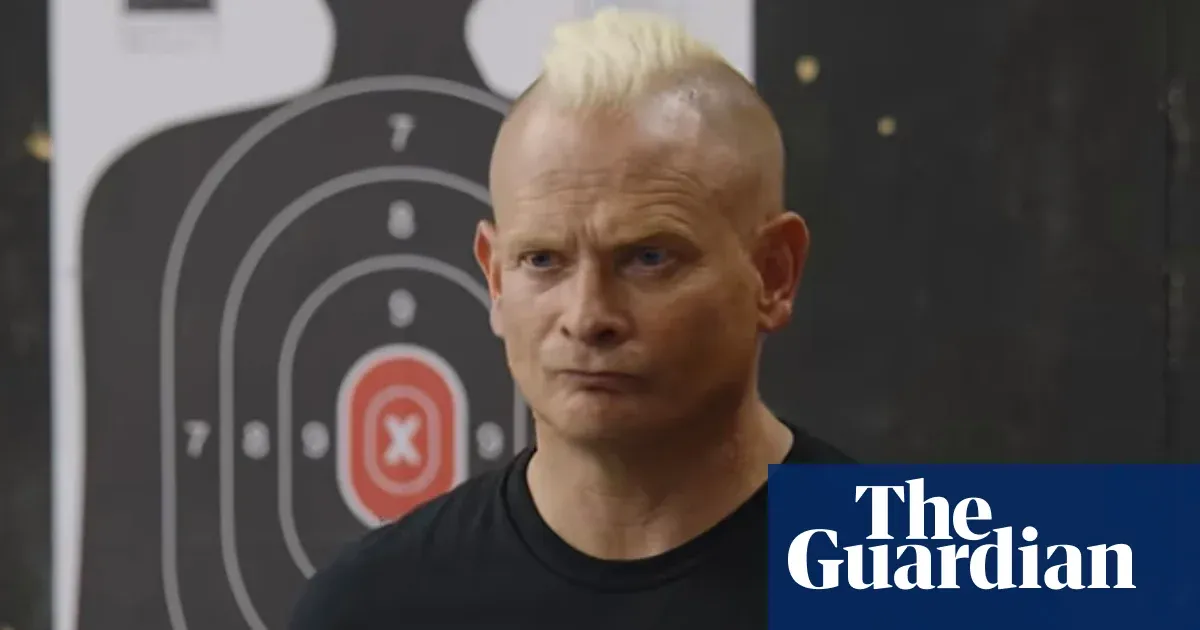
Ali G's 'stooge' says he was in on joke, outplayed Sacha Baron Cohen
A 54-year-old aspiring actor says he recognized Sacha Baron Cohen mid-shoot, kept his MAGA act up, and let the film-makers think they had fooled him.

Entertainer Russell Brand denies 7 sex charges amid accuser's 'couldn't breathe' claim
The alleged victim's account sharpens the reputational and legal stakes for Brand, his platforms, and any business tied to a public figure under criminal scrutiny.

Russell Brand's accuser 'bewildered and confused' as he denies 7 sex charges
The criminal case against the comedian is a live test of how media companies manage talent risk when serious allegations go public.