

Kevin Feige says Doom will be introduced like Thanos, not prebuilt
The Marvel president addresses the “no Thanos-level buildup” debate and explains how Doomsday frames Doom’s arrival.
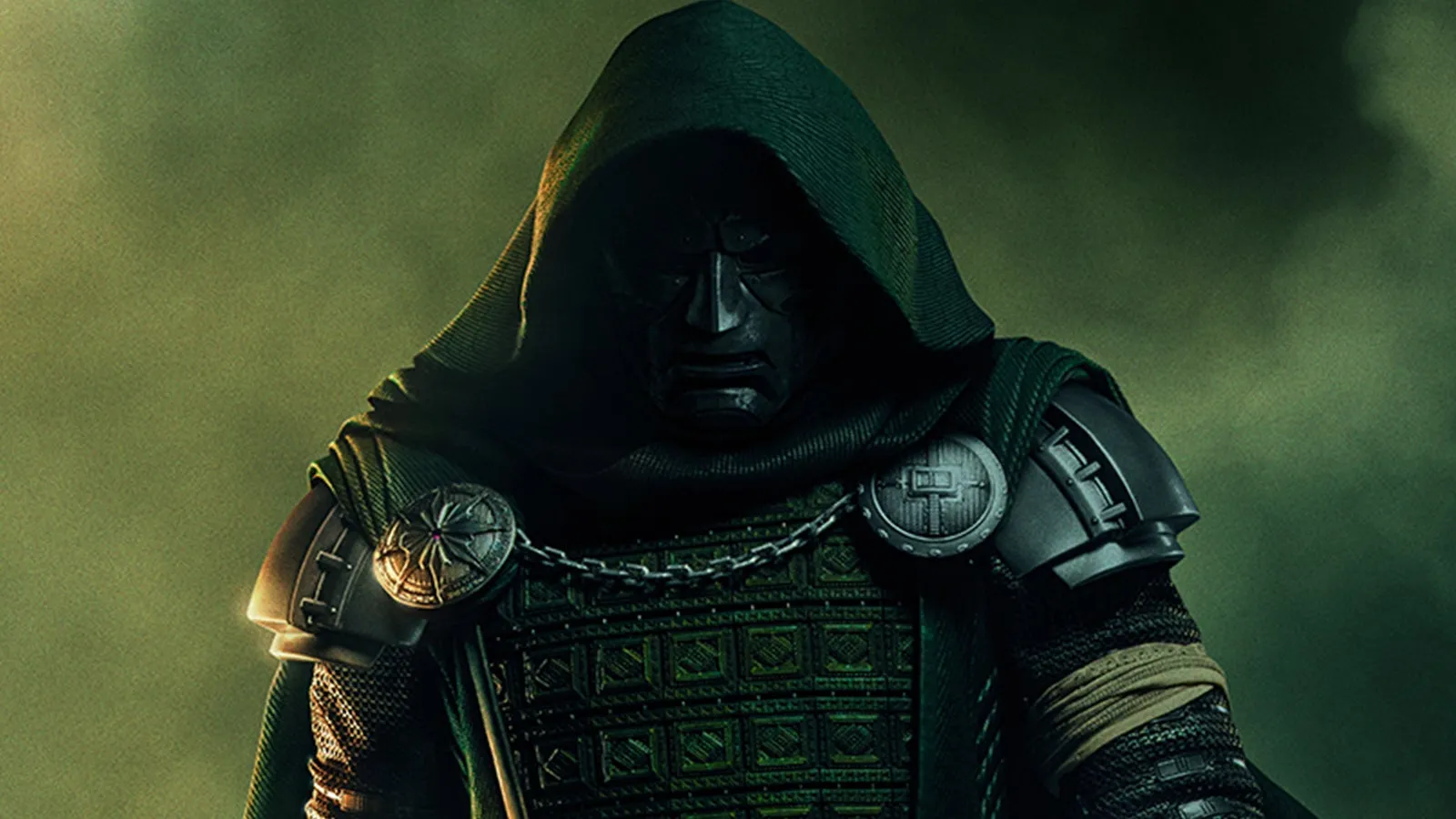
Marvel Studios president Kevin Feige pushed back on criticisms that Dr. Doom lacks Thanos-style setup for Avengers: Doomsday. He says Doomsday will introduce Doom the way Infinity Endgame-era films introduced Thanos, “peel the onion” as the story unfolds.
Kevin Feige, Marvel Studios president, is directly answering the online complaint that Dr. Doom has not gotten the Thanos-level buildup people felt in the Infinity Saga. After Marvel’s highly-anticipated Hall H panel concluded, Feige was asked about the idea that Victor Von Doom has not had the necessary screentime to crown him as the next MCU supervillain in the same way Thanos was positioned for Avengers: Infinity War. His response was basically, “Yes, the internet noticed,” followed by a plan for how Doom will be revealed.
Feige leaned on the specific history of Thanos’ on-screen presence to make the case that “buildup” is often something fans assemble in their own heads. He pointed to Thanos’ post-credits moments across Avengers, Guardians of the Galaxy, and Age of Ultron, saying that those scenes produced a meme cycle because Thanos appeared to be doing “not much.” He recalled that Thanos “sat on a chair at the end,” put on a gauntlet and said, “I’ll do it myself,” and briefly yelled at Ronin on a video screen, which led to jokes like “He’s just sitting in a chair” and a daily Twitter feed-style update of “I’m still sitting in my chair.” In other words, the audience complained that Thanos was underbuilt, even while the franchise was clearly laying groundwork.
Then Feige did the part critics actually care about: he mapped Doom’s introduction to Thanos’ through-line. He said the movie structure will mirror how Thanos was introduced during the Infinity Saga. Specifically, he explained that when Marvel got to Infinity War, it treated that film as “really the introduction of Thanos the people,” and he said Marvel is doing something similar with Doom. “Doomsday is an introduction to the story of Doom. You peel the onion, you learn things about him as you go,” Feige said, adding that it is designed for two audience types: viewers who already know and love Doom from the comics, and viewers who have no clue who he is.
That “peel the onion” framing matters because it is a bet on how audiences learn stakes. In the MCU, villain arcs have often been built through a mix of mythmaking and consequence, not just screen time. By invoking Thanos again, Feige is essentially arguing that the franchise does not need to pre-assemble everything early. It needs to make the introduction feel inevitable, then use the story to expand the why and the how. It is also a subtle defense of Marvel’s pacing choices, because the criticism is really about expectation management: fans want the next big bad to feel like they have been earned through long build periods. Feige is challenging that premise by reminding everyone that even with Thanos, the initial impression was fuel for memes.
There is another practical angle here for decision-makers: building a “shared villain mythology” is expensive in terms of narrative bandwidth. If Marvel tried to replicate Thanos’ exact setup for Doom scene-by-scene, it could crowd out other arcs, especially with a film as ensemble-heavy as Avengers: Doomsday. The source points out that Marvel is building up Doomsday as their next big hit, noting the sheer size of the film’s cast, and it ties that back to what fans saw at Hall H. That means Marvel is likely balancing two goals at once: keep longtime comic readers satisfied while also landing the character for newcomers without requiring them to do homework.
The panel itself also provided a broader signal of how Marvel plans to keep momentum between major battles. While Feige’s comments focus on Doom’s introduction mechanics, the source says it is highly likely that the fight against Doom does not stop in Doomsday, and that Marvel will have several more films in between exploring new stories within the MCU. That matters strategically because the MCU’s long-term audience retention is less about one event and more about the cadence of payoffs. If Doom is introduced with the “onion peel” approach, the franchise can treat subsequent projects as chapters that deepen the villain without burning all its narrative fuel at once.
Finally, the Hall H moment was not just Doom-related noise. The source notes that the next Black Panther, David Jonsson, was in attendance and made his big reveal for Black Panther III to cheers. It also says a new Ghost Rider movie was revealed, with Ryan Gosling confirmed to play the titular role. Other than that, no major news was revealed, but the piece flags Spider-Man: Brand New Day releasing later this month and D23 happening in August, hinting that more Marvel plans could show up soon. For boards, investors, and media leaders watching this ecosystem, the second-order takeaway is clear: Marvel is actively steering the narrative about villain build-up, and it is tying that steering to a release strategy that sustains attention across multiple brands, not a single “finale” moment.
This story's Key Insights and Take-aways are locked.
Create a free account to unlock Executive Actions for one credit.
Register to UnlockAlways free for Executives Club members. Join the Club
More in Entertainment

Ali G's 'stooge' says he was in on joke, outplayed Sacha Baron Cohen
A 54-year-old aspiring actor says he recognized Sacha Baron Cohen mid-shoot, kept his MAGA act up, and let the film-makers think they had fooled him.

Entertainer Russell Brand denies 7 sex charges amid accuser's 'couldn't breathe' claim
The alleged victim's account sharpens the reputational and legal stakes for Brand, his platforms, and any business tied to a public figure under criminal scrutiny.

Russell Brand's accuser 'bewildered and confused' as he denies 7 sex charges
The criminal case against the comedian is a live test of how media companies manage talent risk when serious allegations go public.