
Kevin Feige says Marvel’s already mapping five more Spider-Man films, including live-action Miles
Feige points to Amy Pascal’s work and a Miles Morales live-action slot after Spider-Verse ends.
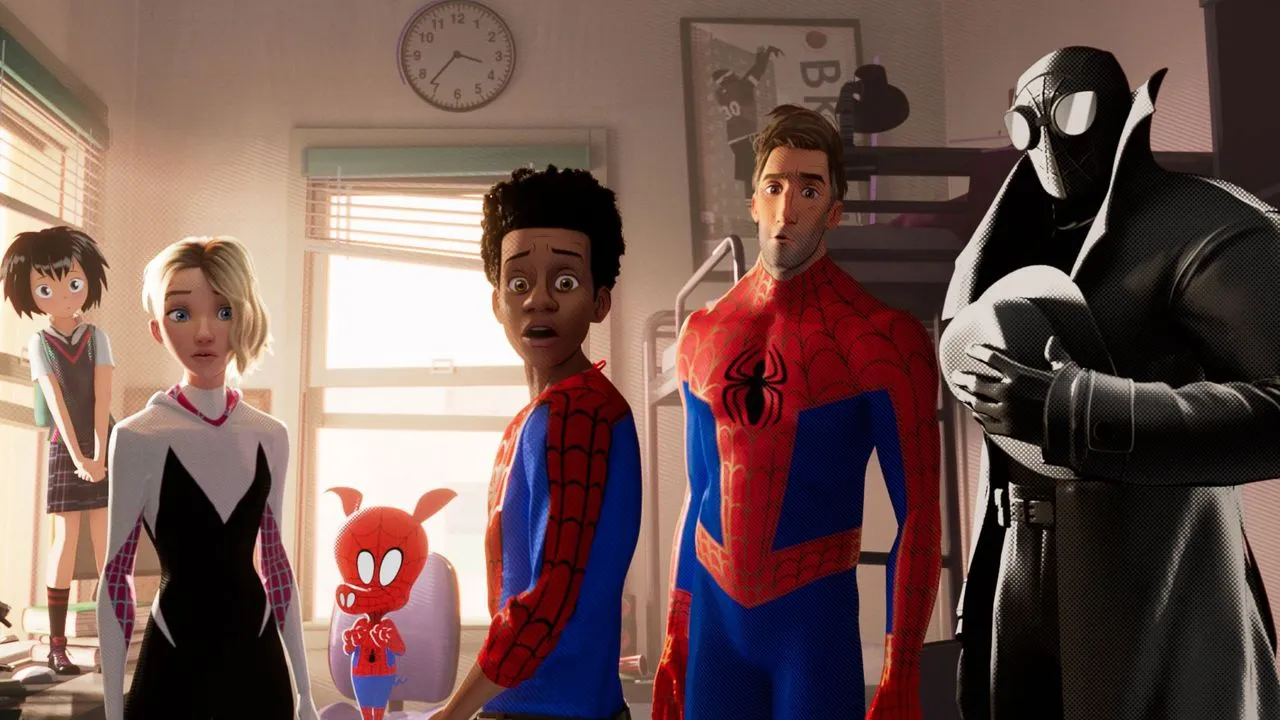
Marvel Studios boss Kevin Feige says Marvel has plans for Spider-Man movies numbered two through five, with a live-action Miles Morales project on the table. He also links the next steps to Amy Pascal, saying she is already working on the franchise’s follow-ons.
Marvel Studios boss Kevin Feige says there are already plans for the next five Spider-Man films, and that one of them includes a live-action Miles Morales movie. In an interview with Shanghai media outlet Watching Hollywood, Feige tied the idea directly to timing, saying a Miles addition is part of Spider-Man’s “destiny,” with Miles arriving after the Spider-Verse series ends.
Feige also made clear this is not hand-waving fan service. He said his production partner Amy Pascal is already working on it, and that they have had in-depth discussions about what the next two, three, four, and five Spider-Man movies might be about. The subtext is obvious for anyone tracking media strategy: Marvel is treating Spider-Man as an ongoing pipeline, not a one-off cash machine.
To understand why that matters, you have to look at how Spider-Man sits at the intersection of franchise momentum and multi-universe storytelling. The Marvel machine has been expanding its universe logic, and Spider-Man has become one of the central vehicles for that. Feige specifically references Sony’s Spider-Man: Into the Spider-Verse series as “very popular and excellent,” and he also points to Beyond the Universe coming out next year. The Spider-Verse films are not just content. They are a testing ground for what audiences will accept in tone, animation style, and the idea of multiple Spider-People co-existing across worlds.
The Miles Morales part is also not coming from nowhere. The source points out that Spider-Man: No Way Home hinted at the possibility of more than one Spider-Man existing, albeit in different universes. That matters because it gives the writers room to do a Miles live-action move without forcing an immediate MCU explanation that would contradict what audiences just watched. No Way Home introduced the possibility of multiple Spider-Men without collapsing the rules of the MCU into chaos, at least in the eyes of fans.
There is even a very specific on-screen moment the source highlights as a driver of fan belief. In one scene, Electro (Jamie Foxx) sees the Spider-Man from his universe, played by Andrew Garfield, unmasked. The moment is described as funny but touching, and it includes a line that was apparently improvised: “You’re from Queens, you got that suit, you help poor people... I just thought you was gonna be black.” Garfield’s Spidey apologizes, and Electro responds, “There’s gotta be a black Spider-Man out there somewhere.” Feige does not say this moment creates a business plan, but the practical takeaway for decision-makers is clear: when the franchise itself gives audiences a verbal breadcrumb, the demand stops being abstract and starts turning into a mandate.
In the same way, the source also points to the practical casting rumor ecosystem that forms around anticipated franchise roles. It notes rumors that Stranger Things star Caleb McLaughlin has been cast, or at least is in the running, as Miles Morales, with a specific reason tied to convention behavior, namely that he refuses to do the classic Spider-Man web-slinging pose at conventions. It also lists fan-casts such as Miles Brown, who led Black-ish from 2014 to 2022, and Myles Truitt, who had a recurring role on Stranger Things season 4. Whether any of this is accurate or not is separate from the strategic point: anticipation generates marketing oxygen before a single frame is greenlit.
Now layer in the industry mechanics Feige mentions. He says Marvel has been thinking and discussing more Spider-Man adventures “regardless of agreements or contracts.” That phrasing is important because entertainment franchises do not live in a vacuum. Rights arrangements, studio partner boundaries, and production obligations can slow or distort a content roadmap. Feige’s wording suggests Marvel is actively working around those constraints rather than waiting for them to magically resolve.
From an executive standpoint, the second-order effect is that mapping “next two, three, four, and five” Spider-Man movies is a signal to the rest of the industry. It implies long-horizon planning that affects hiring, budgeting, and development calendars across multiple departments. It also means the company is effectively underwriting a multi-year creative strategy, with Spider-Verse as the upstream engine and live-action Miles as the downstream expansion.
The strategic stakes for peers in media and tech are straightforward: when a major studio publicly anchors a franchise timeline, it influences investor expectations and partnership negotiations well before production schedules become real. It can also affect how competitors allocate their slates, since Spider-Man is one of the rare global brands with consistent audience gravity. For anyone building, funding, or advising on franchise content pipelines, Feige’s comments tell you to pay attention to the sequencing: Spider-Verse momentum first, live-action expansion after, and franchise planning designed to survive the messy middle of contracts.
This story's Key Insights and Take-aways are locked.
Create a free account to unlock Executive Actions for one credit.
Register to UnlockAlways free for Executives Club members. Join the Club
More in Entertainment

Ali G's 'stooge' says he was in on joke, outplayed Sacha Baron Cohen
A 54-year-old aspiring actor says he recognized Sacha Baron Cohen mid-shoot, kept his MAGA act up, and let the film-makers think they had fooled him.

Entertainer Russell Brand denies 7 sex charges amid accuser's 'couldn't breathe' claim
The alleged victim's account sharpens the reputational and legal stakes for Brand, his platforms, and any business tied to a public figure under criminal scrutiny.

Russell Brand's accuser 'bewildered and confused' as he denies 7 sex charges
The criminal case against the comedian is a live test of how media companies manage talent risk when serious allegations go public.