
Kevin O'Leary’s Utah Stratos data center plan cut 50% after protests
Box Elder County backlash over water transfers and grid impacts forced a hyperscale project downgrade before construction.
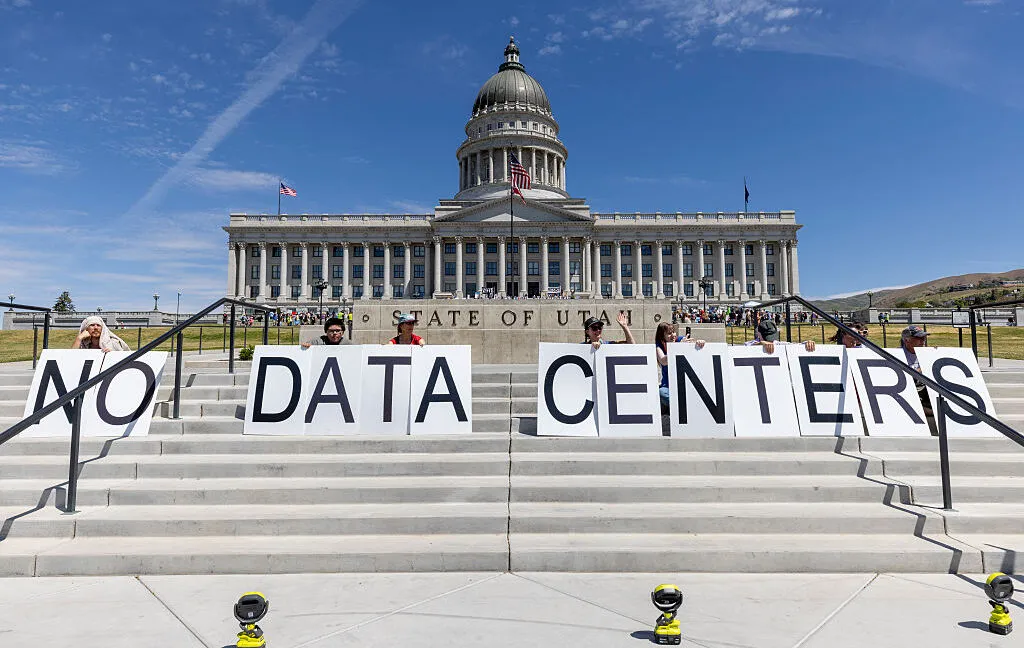
Kevin O'Leary, chair of O'Leary Digital and a Shark Tank investor, is behind the Stratos data center plan in Utah. After intense local protests in Box Elder County, developers cut the project plans in half before construction starts.
Kevin O'Leary's Stratos data center project in Utah has been cut 50% before construction begins, after intense backlash in Box Elder County. The project was originally designed to be nearly three times the size of Manhattan, stretching across multiple Utah sites, but residents pushed hard enough that the developer shrank the plan from the start. In a local ABC affiliate interview, O'Leary said he regrets not working with state officials to be more transparent about the project from the beginning.
The pressure was not vague or symbolic. Locals’ top concern was the Stratos data center’s water demand, specifically the transfer of 1,900 acre-feet of water from a ranch to the hyperscale data center. Residents were even willing to pay to fight it: many paid a $15 fee to register comments intended to block that transfer, including attention to the vulnerability of the Great Salt Lake. In addition to water, residents cited electricity bills rising, and they raised fears about air quality, local wildlife, and land.
Zoom out and the pattern starts to look familiar. Hyperscale data centers tend to be marketed as economic engines, but they are also energy and water-intensive physical infrastructure. When local permitting collides with resource constraints, the friction shows up fast because the impacts are local and measurable. Water transfers are one of the clearest examples. If a project needs 1,900 acre-feet, that number is easy for communities to rally around, and it puts nearby ecosystems like the Great Salt Lake at the center of political debate. Even if the broader market is hungry for capacity, counties still have to weigh who pays for the costs and who benefits.
There’s also a regulatory and governance angle. Data center sites require coordination across levels of government, and the Ars Technica reporting highlights a gap the developer now regrets. O'Leary’s comment about not working with state officials to be more transparent from the beginning signals a common compliance risk: if early communications are thin or unclear, the project can lose legitimacy before the technical review is even fully underway. Once communities believe the process is moving faster than the explanation, protests become a substitute for formal negotiation.
This is where board-level and capital allocation stakes start to matter. Cutting a project plan in half is not just “adjusting scope.” It changes the economics of land, permitting timelines, power procurement, and construction sequencing. Developers typically finance early studies and land or interconnection steps under assumptions about capacity. When those assumptions get cut, the project can still proceed, but the risk profile shifts: the return model has to be rebuilt around a smaller footprint. And because this cut happened before construction starts, the developer avoided a more expensive “build and fight” scenario. That means the backlash likely succeeded early, which is good for avoiding sunk-cost traps, but it also sets a precedent that future expansions will face the same kind of local resistance.
The electricity and environmental concerns mentioned by residents add another layer of second-order risk. Higher electricity bills can turn a resource debate into a cost-of-living debate. Air quality, wildlife, and land risks translate into reputational and legal exposure, especially if permitting conditions tighten or if regulators face political pressure to demand stronger mitigation plans. Even when residents do not “stop” a project outright, their concerns can increase compliance costs and delay schedules, both of which matter to investors underwriting hyperscale growth.
Kevin O'Leary’s involvement makes the story more than a local planning saga. As chair of O'Leary Digital and a Shark Tank investor, he sits at the intersection of startup capital narratives and real-world infrastructure realities. His regret about early transparency is a reminder that credibility is a kind of operating capital. In infrastructure deals, it can be as important as interconnection. When communities organize around concrete figures like 1,900 acre-feet and they pay a $15 fee to register comments, the message is clear: the project is being judged on process, impacts, and trust.
For executives and boards in data, cloud, telecom, and energy-adjacent infrastructure, the strategic takeaway is blunt. Local backlash can force midstream plan reductions even for massive projects. The market may want capacity, but the path to capacity runs through water, electricity, and permitting legitimacy. In a world where hyperscale demand keeps rising, the projects that win will not only scale hardware. They will also manage the social license required to build it.
This story's Key Insights and Take-aways are locked.
Create a free account to unlock Executive Actions for one credit.
Register to UnlockAlways free for Executives Club members. Join the Club
More in Technology

OpenAI says 10,000 agents cracked a 90-year math problem in 88 hours
The company's claim is audacious, but one mathematician is pushing back. Here's what it means for AI-driven discovery.

Meta still serves child sexual abuse ads on Instagram in India - BBC report
A new report following the BBC Eye investigation says the ads are still there - what it signals for every platform with a self-serve ad engine.

White House yanks 'Build the Wall' game after Tetris Company copyright warning
The administration's arcade game vanished in hours - and the takedown playbook every brand can learn from.