

Kobo can sync reading progress to StoryGraph, dodging Amazon Goodreads
A new Kobo-to-StoryGraph bridge lets readers track books, stats, and challenges without leaning on Goodreads.
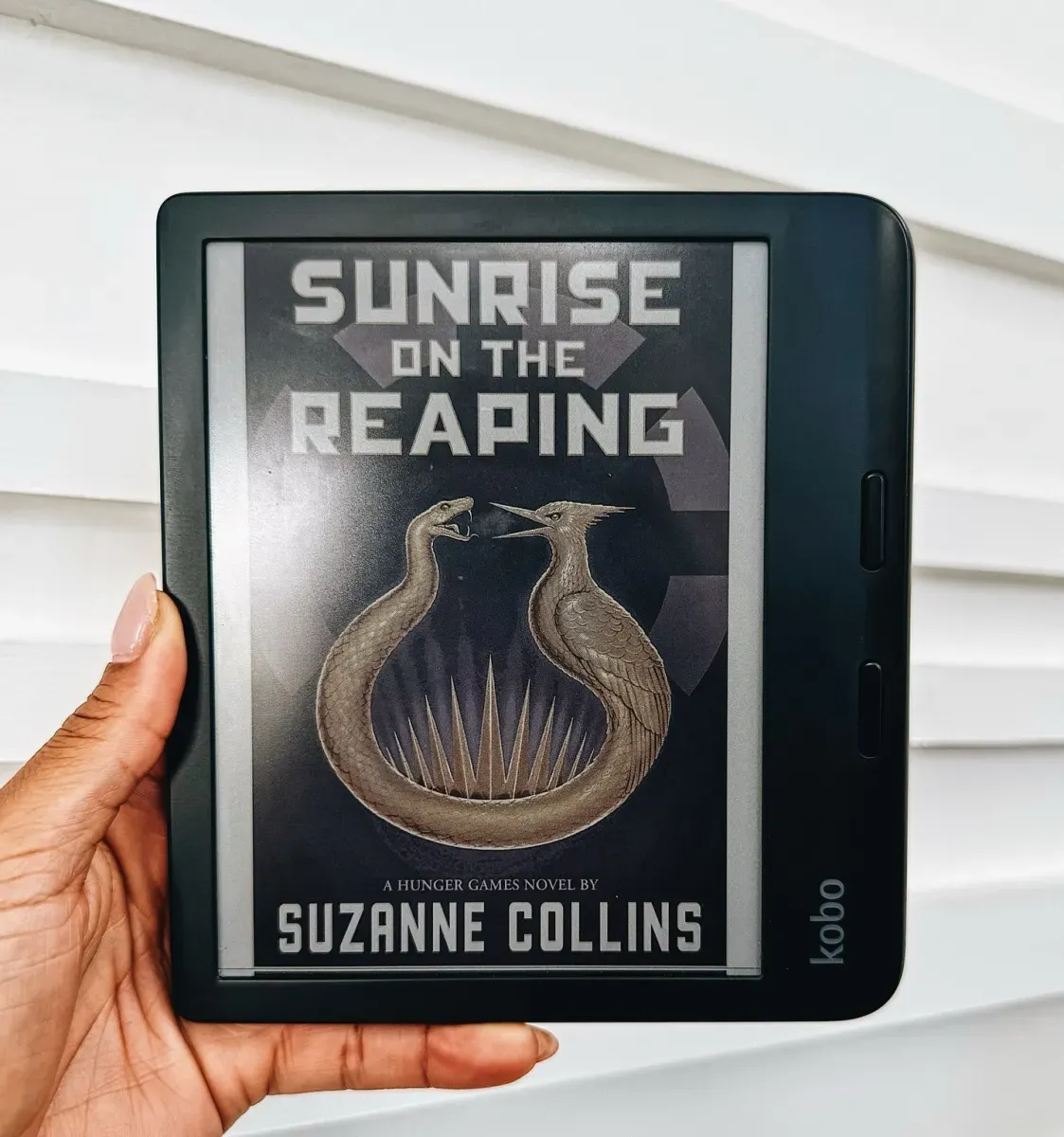
Kobo users can now automatically sync their reading progress to StoryGraph. For decision-makers, the shift highlights how quickly reading data and engagement can move away from Amazon's ecosystem.
Kobo users can now automatically sync their reading progress to StoryGraph. That means Kobo readers can track books, reading stats, and challenges in StoryGraph without relying on Amazon’s Goodreads.
So the headline stake is simple: Kobo is making it easier for readers to keep their “what I’m reading” data outside of Amazon’s orbit. The feature is not just a convenience toggle. It changes where reading behavior gets recorded, where communities form, and which product becomes the default home for someone’s reading streaks.
To understand why this matters, zoom out one level. Goodreads has long functioned like an attractor. It is not just a catalog. It is the scoreboard for readers, the place where challenges, shelves, and social signals tend to converge. When a separate reading platform can connect its progress directly to a rival tracking service, it reduces friction for readers who want the Goodreads experience but do not want to stay inside Goodreads itself.
In practical terms, the StoryGraph sync is what executives should pay attention to: “automatic sync” shifts the cost structure. Without automation, users either manually log books or they stay in the app they already read in. With automatic sync, the default behavior can move. The better the integration, the more the tracking platform becomes the system of record for reading stats, charts, and challenge progress.
This is the same kind of competition that plays out across consumer subscriptions and marketplaces, just in a quieter, less regulated corner of the internet. Once data flows are easy, switching becomes a matter of taste, not effort. That is how engagement ecosystems unbundle. Readers stop thinking of “platform loyalty” as an all-or-nothing decision and start treating it like plumbing: what they need should just work, wherever they want it to work.
There is also a second-order effect that boards and investors think about, even when the feature sounds small. Reading platforms and tracking services are not only competing for users. They are competing for behavioral signal. Those signals can influence recommendations, personalization, and product decisions. Even if the sync is framed as a reader tool, it is still an inputs problem for the companies on either side.
For Amazon, the implication is straightforward. If Kobo can route reading progress to StoryGraph automatically, then Goodreads loses an important share of the “habit loop.” The source of truth for reading progress can sit anywhere. That threatens the network effects that come with users spending time on one platform long enough to build shelves, follow patterns, and participate in challenges.
For StoryGraph and Kobo, the implication is also clear. The sync can make StoryGraph feel more native to Kobo users, because it reduces duplicate work and makes StoryGraph the natural place to visualize progress. Once a user sees their reading stats, patterns, and challenge progress in StoryGraph, it becomes harder to justify leaving, because the value is tied to the user’s history.
This also matters for peers across the reading and media economy who are trying to build retention without locking users into a single seller. Integrations like this are a reminder that user experience can be the competitive moat. If you can make it easy for users to take their habits with them, you do not just compete on content. You compete on the day-to-day rhythm of tracking, reviewing, and planning.
In other words, this is not only “a Goodreads rival.” It is a data and habit-routing update. And in a world where consumer platforms are trying to own the relationship with the user, losing the default place where progress lives is a real strategic problem, even when the change shows up as a single new sync option.
This story's Key Insights and Take-aways are locked.
Create a free account to unlock Executive Actions for one credit.
Register to UnlockAlways free for Executives Club members. Join the Club
More in Technology

Nvidia's $89B data center quarter: the 9 companies cashing in
The AI buildout is minting fortunes beyond GPUs, and memory, cloud, and cooling suppliers are riding the same wave.

Google quietly links your phone number to every Android account on your SIM
Adding a SIM now ties your phone number to all Google accounts - and future accounts inherit it. Here's the security and privacy stakes.

Hijacker AI 'Skynet mode' runs 100,000 attack steps against exposed models
Symantec caught a criminal AI agent that borrows other models, steals data, and mines crypto; the only relief is no confirmed victims yet.