

Kwalee Labs shuts after Luna Abyss launch, just one month later
A PC and PS5 shooter developer closed quickly after release, raising fresh questions about post-launch runway and deals.

Kwalee Labs, the developer behind the PC and PS5 shooter Luna Abyss, has been shuttered just a month after the game launched. The studio, originally founded as Bonsai Collective, was bought out of administration by Kwalee in September, per former creative director Benni Hill on LinkedIn.
Kwalee Labs is shut down just a month after Luna Abyss launched on PC and PS5. That speed is the whole story, because it implies the post-launch phase, not the pre-launch bet, ended the chapter. If you are a founder, investor, or board member watching games studios like a balance sheet with a pulse, this is a reminder that “launch” is not the finish line. It is the checkpoint where cash, attention, and operational risk all collide.
The timeline matters for context. Kwalee Labs was not an old, organically grown studio with decades of inertia. It was originally founded as Bonsai Collective, and Kwalee purchased Bonsai Collective out of administration in September, according to a LinkedIn post by former creative director Benni Hill. Luna Abyss then launched, and only a month later the Kwalee Labs entity was shuttered. In other words, this looks like a turnaround attempt that may have been structurally constrained from the start.
To understand the stakes, it helps to know how studios can end up “in administration” in the first place. Administration is typically a sign of financial distress serious enough that a business cannot continue operating in its current form without intervention. When a larger company buys a studio out of administration, it is often trying to do two things at once: keep talent and IP momentum, and reduce the likelihood that the project collapses mid-flight. But the purchase does not magically remove the underlying economics of a game business. Game launches bring volatility. Demand can be strong or soft. Costs are lumpy. Patch cycles take staff time. Marketing spend is not always refundable. And if the hit does not materialize fast enough, the studio can become the place where leadership chooses to stop the bleeding.
This is where decision-maker attention goes after a shutter. Even when the game is “well-received,” as described for Luna Abyss, the business outcome can still be unforgiving. Reception and revenue are related, but not the same thing. A game can earn positive reviews or community goodwill while still failing to meet internal targets such as revenue thresholds, lifetime value expectations, or schedule commitments. And when a studio is newly acquired or recently restructured, the tolerance for prolonged experimentation tends to be lower. The company has already paid for the turnaround and may be looking for measurable progress quickly.
There is also an ownership and governance angle. When a parent company buys a troubled studio, the board-level question becomes: does the acquisition create operating leverage, or does it merely delay the day of reckoning? The purchase of Bonsai Collective out of administration in September, followed by a shutdown of Kwalee Labs after Luna Abyss launched, is consistent with a scenario where the parent did not see a sufficiently durable path forward. For executives, this is less about blame and more about pattern recognition. Studios are assets with operational burn rates. If the asset cannot be stabilized at the moment revenue becomes real, the parent can conclude that continued spending is not the most efficient use of capital.
For peers, the second-order implications are uncomfortable but useful. First, acquisition timing matters. Buying a studio out of administration can keep a team together, but it can also mean inheriting the consequences of prior financial stress, including reduced runway and compressed planning windows. Second, launch timing matters. “A month after launch” is not a gap you can paper over with optimism. It is a window where early performance, ongoing support costs, and internal resource allocation decisions converge. Third, org chart matters. Even if a game performs decently, the corporate decision can still be to consolidate teams, move production capacity, or reallocate roles elsewhere. Shutdowns can reflect broader portfolio strategy, not just one title’s performance.
At the same time, there is a human and professional note embedded in the facts: this information is tied to a former creative director, Benni Hill, who pointed to the studio’s Bonsai Collective origins and the September acquisition out of administration. That detail signals something executives should never ignore. Studio transitions carry career consequences for creative leadership and production staff. When companies restructure around individual projects, it can change who stays, who leaves, and how quickly roles get absorbed into other teams. For investors and boards, that affects both execution speed and institutional knowledge.
So what should decision-makers take from this? The headline is about closure, but the real message is about timing and risk management. Kwalee Labs shutting down one month after Luna Abyss launched, following a September purchase out of administration, underscores how quickly game development bets can become balance sheet decisions once real-world performance meets internal thresholds. If you are funding, building, or overseeing studios with recent acquisitions, the question is not only “Did the game ship?” It is “Can the business survive the month after shipping?”
This story's Key Insights and Take-aways are locked.
Create a free account to unlock Executive Actions for one credit.
Register to UnlockAlways free for Executives Club members. Join the Club
More in Entertainment

Reacher season 4 trailer at SDCC 2026 teases a subway death and a high-places villain
Prime Video’s Alan Ritchson returns August 12, with Christopher Rodriguez-Marquette and Agnez Mo drawn into the deadly mess.
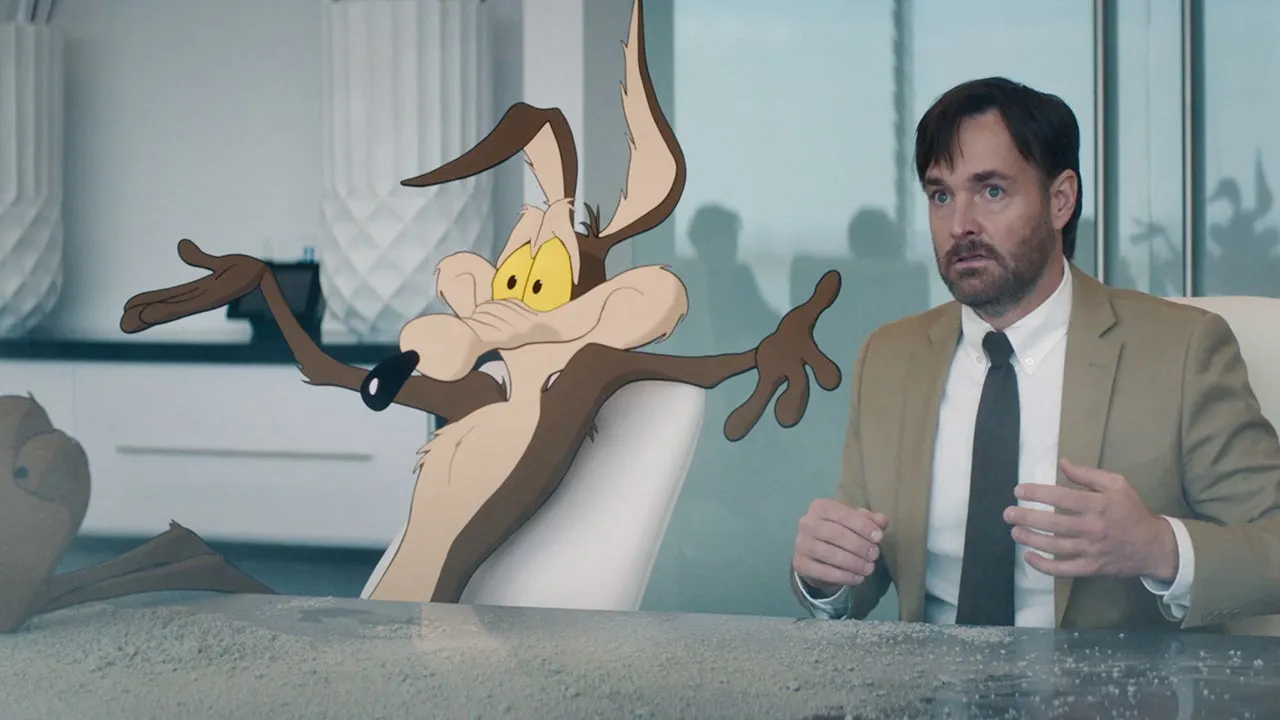
Dave Green confirms Coyote vs. Acme Blu-ray, with John Cena outtakes “not PG-rated”
The director promises unruly physical extras, plus a reminder that Warner’s shelving decision still echoes in release strategy.

Nongshim sells KPop Demon Hunters ramen in the US, with Rumi, Zoey and Mira flavors
The Netflix animated film is now a packaged-food lineup, launching state-side instant noodle cups tied to characters.