
La La Land’s 10th anniversary turns Justin Hurwitz’s score into a global live orchestra show
A worldwide concert series brings full orchestra and jazz bands to screens, produced by Hurwitz Concerts.
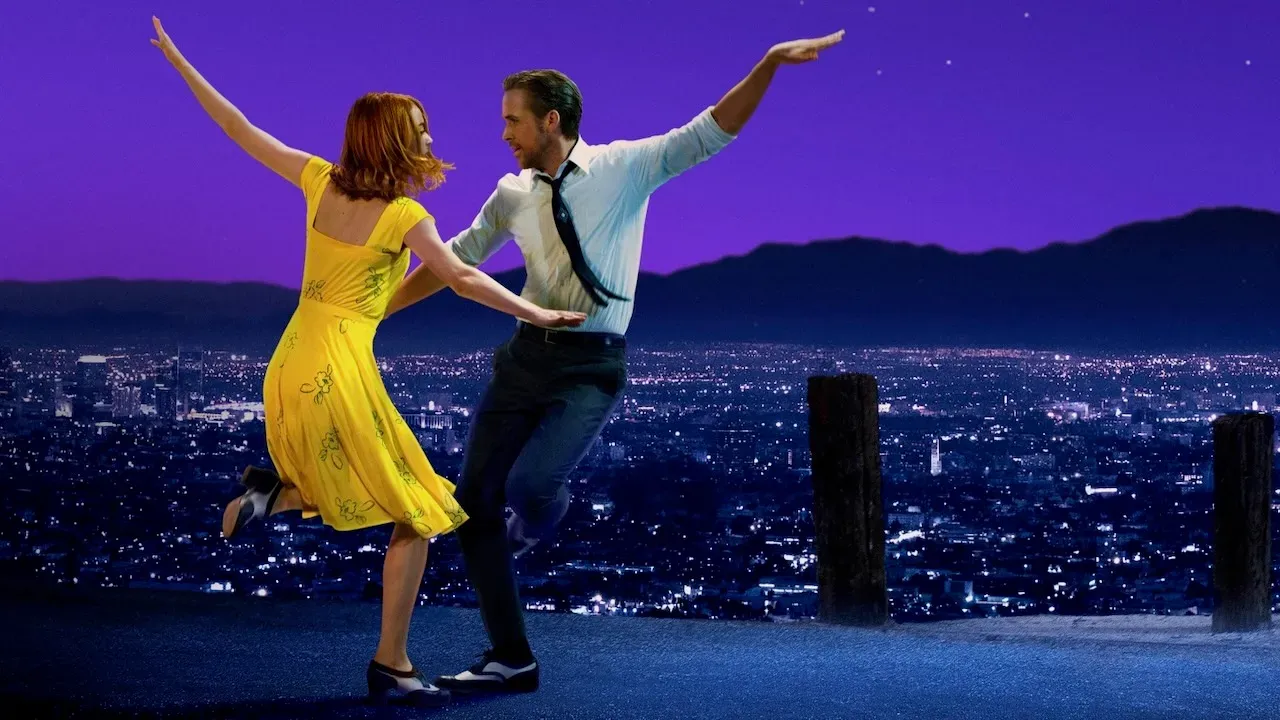
La La Land marks its 10th anniversary with global screenings where full orchestra and jazz bands perform Justin Hurwitz’s score live to screen. For decision-makers, it is a clean example of how film IP is being repackaged into live entertainment and experience-led revenue.
La La Land just hit its 10th anniversary, and it is doing something that feels both nostalgic and unusually ambitious for a decade-old blockbuster. Instead of only celebrating with retrospectives or one-off events, the film will be screened across the world with a full orchestra and jazz bands playing Justin Hurwitz’s score live to screen.
The key point is the “live to screen” format: the concert series pairs the movie with on-stage music, performed as the film plays. This matters because it turns a fixed piece of IP, the movie and its soundtrack, into a repeatable live event that audiences can attend in different cities while still experiencing the score in its intended cinematic context. And per the announcement, this global concert series is produced by Hurwitz Concerts, with an explicit focus on Hurwitz’s unforgettable music.
If you work in entertainment, media, or anything that depends on audience attention, this is the real story. Film studios and rights holders have spent years experimenting with how to extend the lifecycle of a title after box office hype fades. One approach has been licensing and streaming catalogs. Another has been the “experience economy” play, where the product is not just watched, it is attended, heard in a room designed for sound, and shared. La La Land’s celebration sits squarely in that second camp.
There is also a business logic to the orchestra and jazz band choice that is more than aesthetic. Jazz is not incidental to the film’s identity. The score by Justin Hurwitz is part of what people remember, and the announcement emphasizes that the full orchestra and jazz bands will play the score “to screen.” That phrasing signals an attempt to preserve immersion, rather than turning the songs into standalone concert tracks. From an operator’s view, that reduces the “gap” between what fans loved about the movie and what they are buying tickets for. It is still a live show, but it is anchored to familiar visuals.
For boards, investors, and executives tracking audience spend, events like this are worth attention because they sit at the intersection of IP value and operational execution. The film is already established. The risk is not “will anyone care about the storyline.” The risk is logistics: assembling orchestras and jazz bands, coordinating performance timing with film projection, and delivering a consistent experience across global venues. When the series is produced by Hurwitz Concerts, that suggests the production is centralized enough to standardize quality while still touring.
There is another second-order effect that decision-makers should notice. Live concert events typically require different partners than film distribution. You need venue relationships, local promoters, and technical production teams that can handle synchronization. That means a global concert series can expand the network of stakeholders around a film title, opening doors for future tours, seasonal runs, or other screen-plus-music formats. In other words, this is not only a commemoration. It is also relationship-building.
From a regulatory and policy lens, the story is also a reminder that live events are not governed in the same way as streaming. While this announcement does not mention permits, licensing specifics, or rights administration, the structure is inherently different: performing the score live implies rights and clearances that differ from simply screening the film. For executives, that difference can influence timelines and budgeting, because rights organizations, music licensing processes, and venue requirements often determine how quickly an event can be scaled or expanded.
Strategically, the real takeaway is that the 10th anniversary of La La Land is being treated like a product launch in live entertainment clothing, not just a milestone. The global concert series with full orchestra and jazz bands, playing Justin Hurwitz’s score to screen, is the clearest signal yet that cinematic music is becoming a more direct monetization lever. If you are leading an entertainment company, investing in media, or making capital allocation decisions for a culture and experiences portfolio, this is a case study in how established film IP can be re-engineered into new attendance-driven demand.
This story's Key Insights and Take-aways are locked.
Create a free account to unlock Executive Actions for one credit.
Register to UnlockAlways free for Executives Club members. Join the Club
More in Entertainment

Heated Rivalry climbs back on Apple TV, 29 weeks after HBO premiere
Apple TV chart momentum returns for HBO Max's NHL romance, showing how rewatchability can extend a streaming hit’s shelf life.

Stephen King’s cancelled horror series surges on MGM+ after MGM+ cut it short
A 10-episode Stephen King adaptation gets a second chance on streaming after cancellation, and executives should notice why.
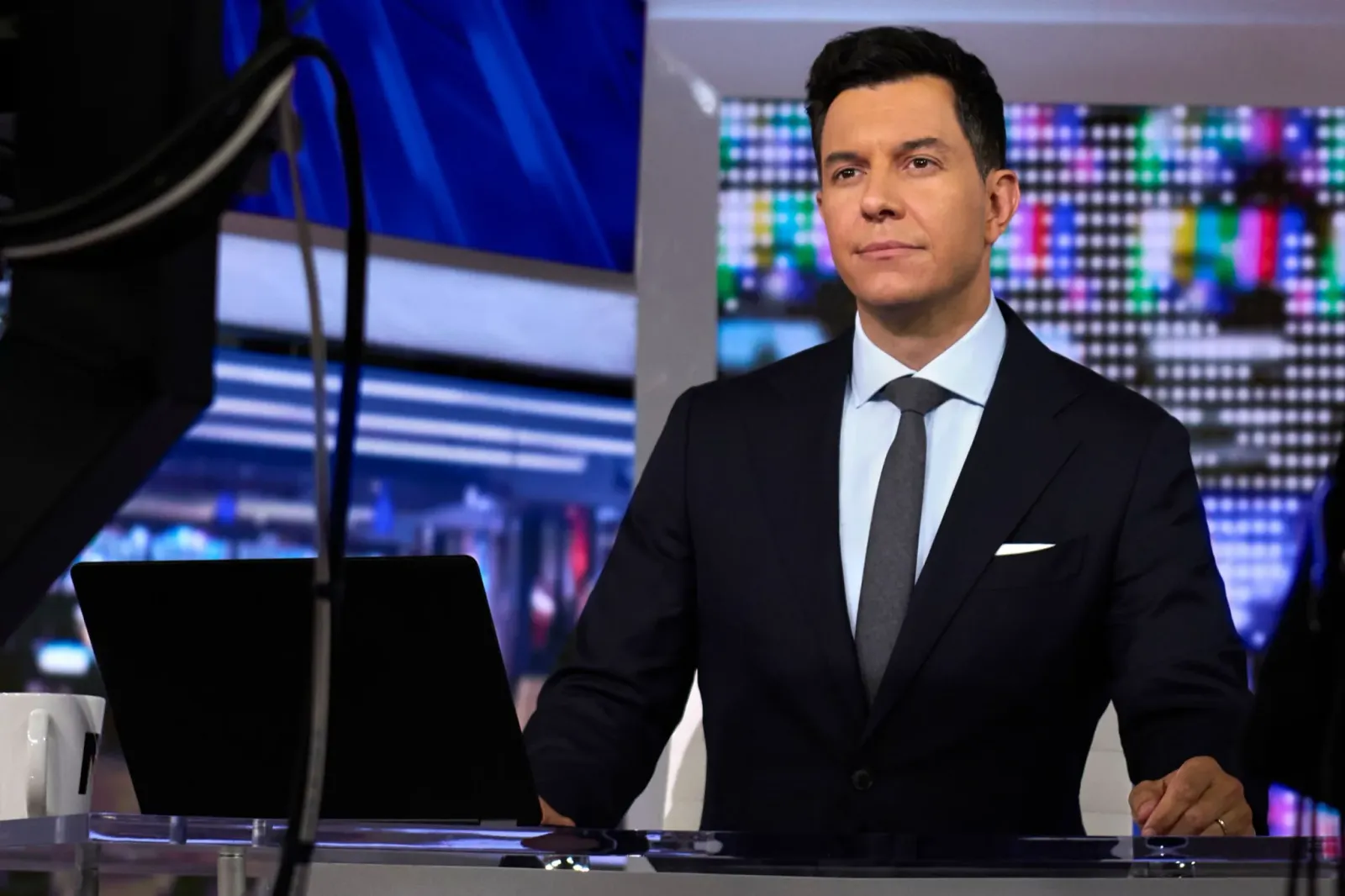
Tom Llamas warns: NBC’s anchor chair feels like “game over” without growth
Fortune profiles Tom Llamas’s first year leading NBC Nightly News and the career rules he thinks Gen Z must steal.