

Labour MPs press Andy Burnham to restore 0.7% aid target
A New Economics Foundation essay series has backbenchers urging Burnham to restart Labour’s 0.7% overseas aid line.

Andy Burnham faces pressure from influential Labour backbenchers to reclaim Labour’s leadership on international development. The push, laid out in essays from the New Economics Foundation (NEF), argues for charting a course back to spending 0.7% of national income on overseas aid.
Andy Burnham is getting a very specific political bill coming due: Labour MPs are calling on him to restore the party’s overseas aid target at 0.7% of national income.
The ask is not a vibe or a slogan. It is spelled out in a collection of essays from the New Economics Foundation (NEF), where influential backbenchers outline proposals for a Burnham-led government to rethink foreign policy and return to spending 0.7% of national income on overseas aid. In other words, the development compass is being re-aimed, and Burnham is being asked to do it in the open, as prospective prime minister.
Why does this matter beyond Westminster theater? Because development spending decisions ripple through procurement, partnerships, and risk appetites for organizations that operate internationally. Even when the number is political, the operational consequences are real. Budgets shape which programs get funded, which contractors get stable multi-year work, and which countries become priority partners. The 0.7% target functions like a signal to the outside world: it tells governments, NGOs, and implementers whether the UK intends to treat overseas aid as a durable policy commitment or as a variable line item.
There is also a strategic incentive for Labour MPs to push this now. NEF is positioning the essays as a forward-looking policy package for a potential Burnham government. That means backbenchers are trying to pre-wire the future agenda. If you are an influential MP, a prospective leadership challenge is not just about who wins headlines. It is about who gets to define what “serious” foreign policy looks like. By grounding their proposals in a concrete benchmark, they are limiting how much the debate can drift into vague talk about values.
For Burnham, the pressure has an internal party dimension. Backbenchers do not typically get the microphone unless they can make a leadership stance legible and actionable. Here, the legibility is the 0.7% figure. That number is doing double duty: it is a policy target and a rhetorical anchor. The MPs are effectively saying, “If you want Labour to lead on international development again, you need to reclaim the spending line.”
For decision-makers watching from outside politics, this is also a lesson in how policy targets work like financial covenants. When a government sets a spending benchmark, it creates planning assumptions across ecosystems that depend on predictable funding. If the UK were to return to the target, the ecosystem could adjust expectations for program continuity. If it retreats, the ecosystem plans around uncertainty. That matters for organizations that are staffed, staffed again, and then staffed to scale. Even without touching capital markets, government spending targets affect governance and operating risk.
Second-order, an overseas aid target can influence how the UK frames its international role. The MPs in the NEF-linked essay series are urging Burnham to reclaim the UK’s role as an international leader on development. That is not just symbolism. National development priorities often determine where partnerships form, how diplomatic energy is allocated, and what reputational baseline the UK signals to allies. In practical terms, foreign policy is a portfolio. A shift in the 0.7% approach changes the composition of that portfolio and can alter negotiations with partner countries and multilateral institutions.
Finally, there is the leadership test embedded in the request. The source describes backbenchers laying out proposals “for a Burnham-led government.” That means Burnham is not being asked to agree with a single bullet point in isolation. He is being urged to chart a course that ties foreign policy strategy to development spending discipline. If he embraces the target, the political message is consistency with Labour’s prior framing of aid. If he resists, the political message becomes something else, and the MPs who authored and amplified the essays are likely to keep using the benchmark as their measuring stick.
For executives, investors, and operators who spend time around policy-driven industries, this is a reminder: when political teams fight over a percentage point, they are often fighting over the predictability of whole systems. Watch whether Labour MPs and NEF-backed proposals translate into actual budget commitments and sustained governance. That is where the real consequences land.
This story's Key Insights and Take-aways are locked.
Create a free account to unlock Executive Actions for one credit.
Register to UnlockAlways free for Executives Club members. Join the Club
More in Politics

Glacial collapse, not rain, killed 180 in Nepal's Himalayan flood
The Himalaya's extreme geography hid the true cause of Nepal's catastrophic flood, a glacial collapse that turned a geological battleground into a mass-casualty zone.
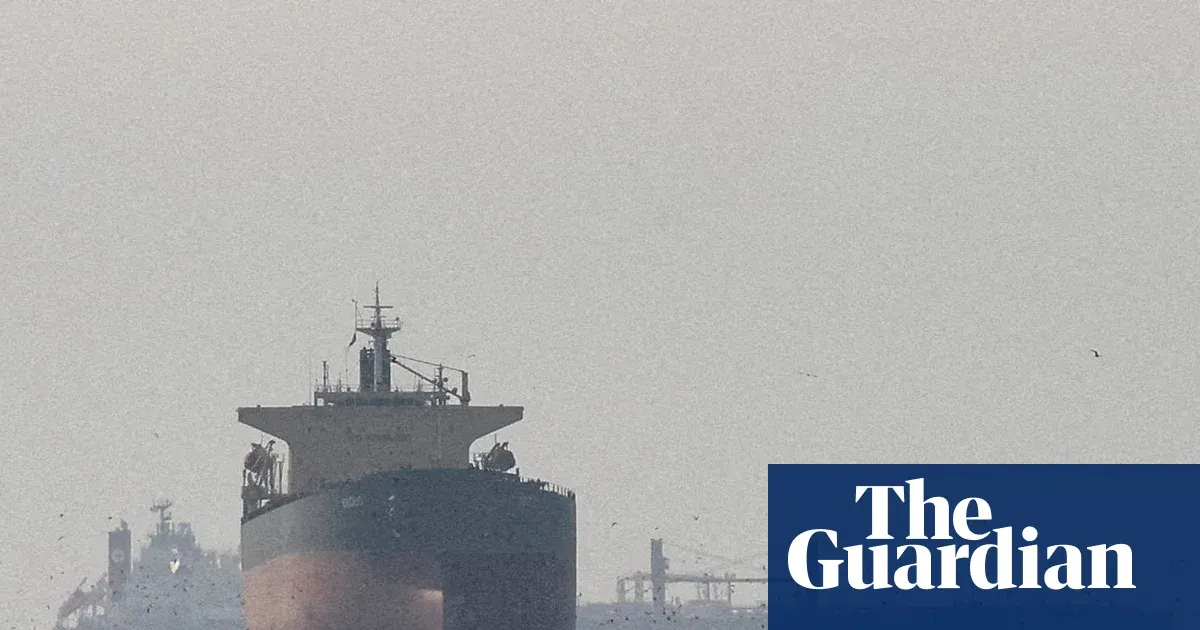
Iran’s Esmail Baghaei says Oman talks start shipping via Hormuz, not US talks yet
Temporary route plans with Oman aim to restart commerce while Tehran says Washington dialogue is not on the table.
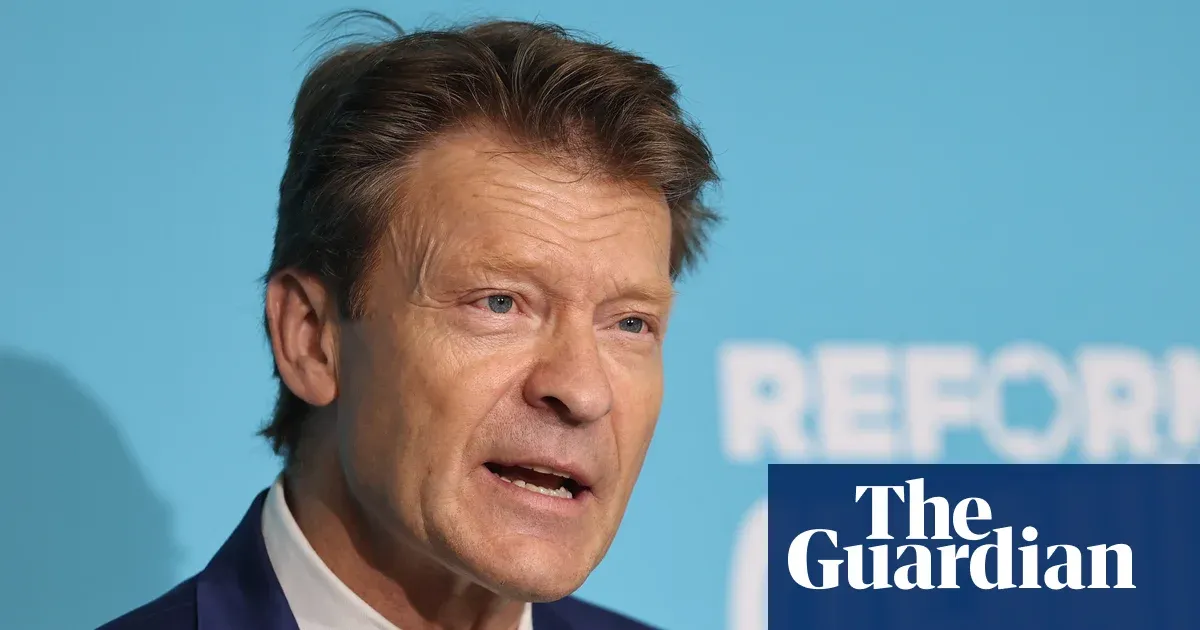
Standards watchdog opens probe into Reform UK deputy leader Richard Tice over interests
The parliamentary standards commissioner says it began an investigation on 28 July into a possible undeclared interest.