
Lee “Scratch” Perry made historian David Katz bring him “13 stones” in London
Two new books and reissues may redirect attention to the music, starting with one bizarre, specific interview ritual.
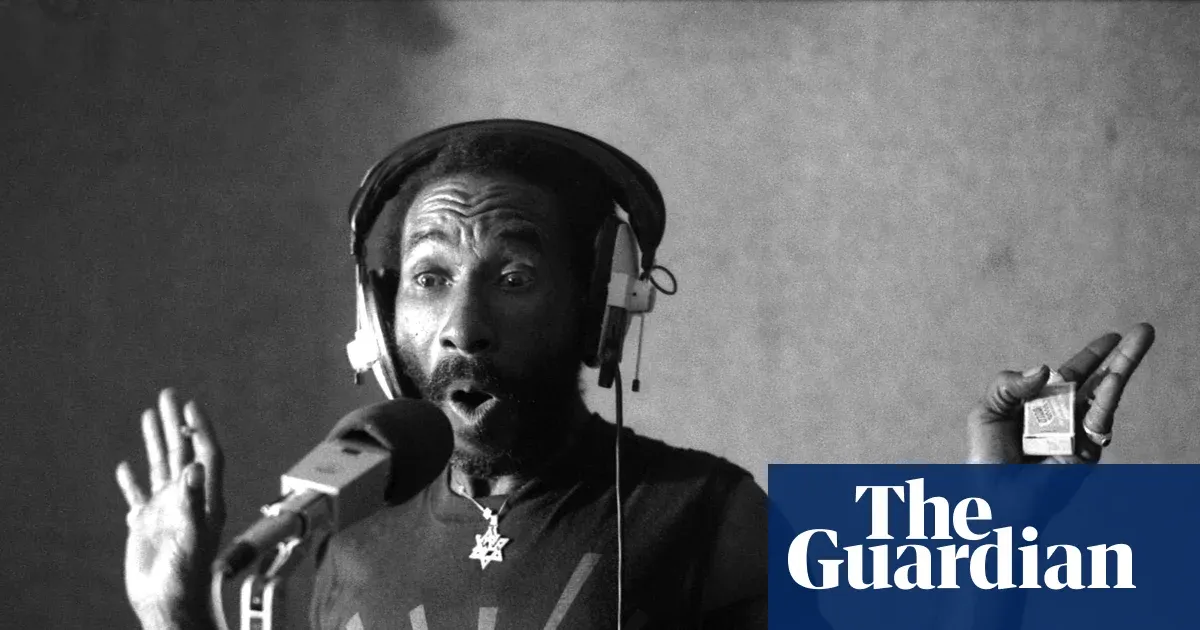
Lee “Scratch” Perry, the late Jamaican production genius, demanded reggae historian David Katz bring him “13 stones” when Katz finally tracked him down in London. For decision-makers tracking culture, catalog, and legacy narratives, the way attention shifts from mythology to music can reshape what gets funded, reissued, and preserved.
Lee “Scratch” Perry, the late Jamaican production genius, insisted reggae historian David Katz bring him “13 stones from your country” when Katz finally tracked him down in London. It was not a metaphor, not a poetic warm-up, and not the kind of prompt artists usually accept from interviewers. Katz had moved to the UK capital after falling in love with the music as a teenager in San Francisco, and when he located Perry at a recording studio in Rotherhithe, just over the river in south London, Perry made the conversation immediately weird and relentlessly literal.
The instruction escalated fast. Perry told Katz to “go down to the River Thames and get me 13 stones!” because Katz said he could hardly just pop back to the west coast to bring them. That moment matters for one simple reason: Perry’s chaotic reputation is not just an after-the-fact brand. It shaped the conditions under which anyone tried to document him, and it hints at why scholarship and audiences can get stuck staring at the legend instead of the tracks. This is also the lens a new wave of attention may use to rebalance the conversation.
The Guardian piece frames Perry’s storied, evasive presence through a broader cultural mechanism: myth tends to travel faster than master tapes. In Perry’s case, the late production genius’s unpredictable persona has long preceded him, which is exactly the problem that archivists, publishers, labels, and rights holders face when deciding what to release and how to market it. When the story people tell about an artist is more vivid than the music itself, the market can turn into a loop. Collectors chase the aura. Curators chase the documentary angle. Meanwhile, the actual sound risks becoming background noise.
That is where the “could two new books, a posthumous album and a flurry of classic reissues” part of the story lands. The article asks whether that combined release momentum can change the focus back to Perry’s music, and it connects the question to the fact that Katz’s entry point was bewildering. Katz’s introduction to Perry began with a request for stones, but the request is also a signpost: Perry was not simply hiding. He was controlling how people approached him. For anyone overseeing legacy catalogs, this is a practical reminder. The narrative framework you attach to releases can materially affect discovery, engagement, and ultimately sales or streaming performance.
There is also a regulatory and business-adjacent implication hiding in plain sight, even if the source does not get technical. In many music markets, the ability to reissue classic recordings depends on rights clearance, ownership chains, licensing terms, and the clarity of what is being released. When a posthumous album and classic reissues arrive together, it typically suggests that the rights and documentation problems have moved from “someday” to “now,” at least enough to support a public rollout. For executives, that means there may be less uncertainty than it sounds like. Or, more specifically, it means rights holders and partners have decided the audience appetite is strong enough to justify the administrative friction.
From a second-order perspective, coordinated releases also change how attention behaves. Books can create context. A posthumous album can concentrate listening. Reissues can convert casual interest into repeat consumption by giving people immediate entry points. The Perry example is especially potent because his chaotic reputation has always preceded him. That’s a difficult starting position, because marketing teams often inherit myths rather than build them. But if these releases succeed in shifting the conversation toward the music, they can also raise the perceived value of the catalog as an asset, not just a curiosity.
And because this story is grounded in Katz’s experience, it offers a useful caution to anyone in culture who thinks narrative is optional. Perry demanded a concrete item from Katz and refused to accept a convenient excuse. The request forced Katz to move in Perry’s world, not the other way around. When legacy projects feel chaotic, it may be tempting to treat that chaos as pure spectacle. Perry’s case suggests the opposite. The chaos can be an engine that shapes audience behavior, determines what gets documented, and, indirectly, influences what rights holders think the public will pay attention to.
Strategically, peers in publishing, record labels, artist management, and heritage media should take the stake seriously: attention is a finite resource, and myth can drain it. The article’s opening scene is memorable precisely because it is specific. If the new books, posthumous album, and classic reissues can convert that memorability into a deeper listening habit, decision-makers may get more than cultural credibility. They may improve the performance of an entire catalog pipeline, from scholarship to licensing to reissue economics. Perry’s music deserves the spotlight, and the question is whether this new rollout can finally make the sound win the argument.
This story's Key Insights and Take-aways are locked.
Create a free account to unlock Executive Actions for one credit.
Register to UnlockAlways free for Executives Club members. Join the Club
More in Entertainment
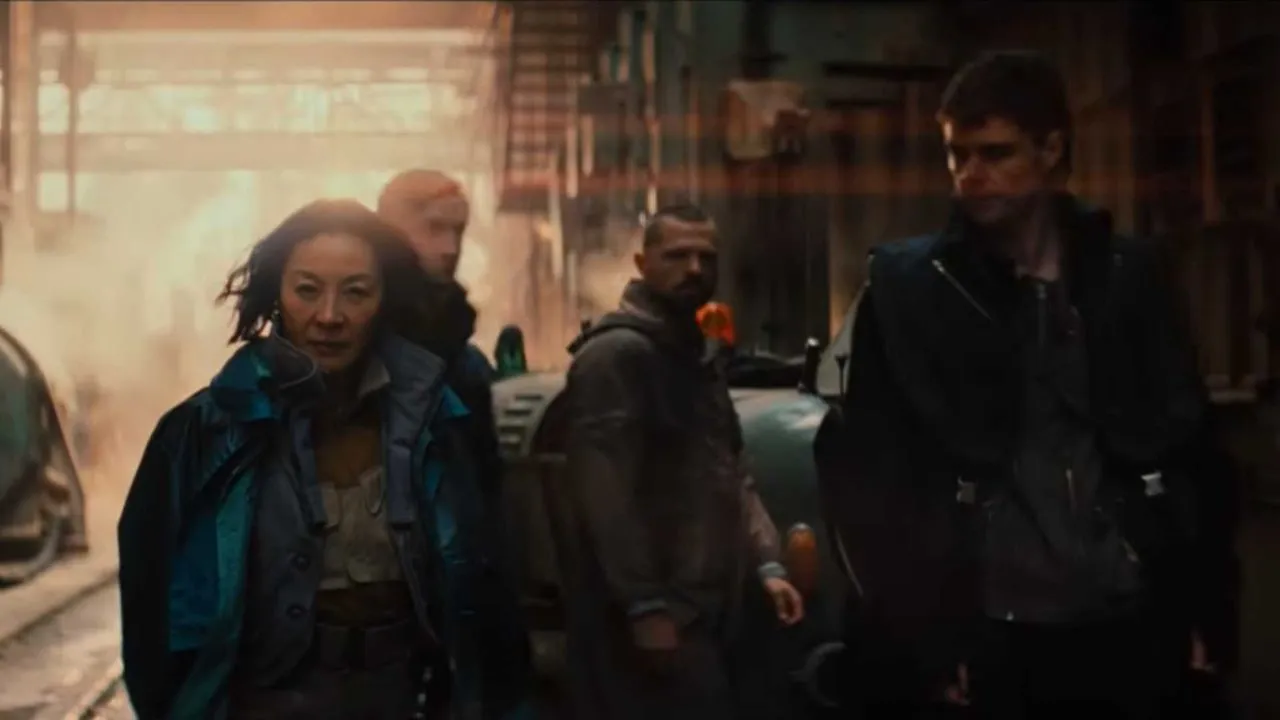
Blade Runner 2099 ties to Ridley and Denis, yet claims a standalone rebirth
Prime Video’s 2026 series anchors to the franchise while inviting new viewers into a “sunshine noir” world.

Matt Damon says Daniels pitched his new sci-fi as Breakfast Club meets Inception
The actor details the exact “Everything Everywhere All at Once” directors pitch for their next film and why it matters.
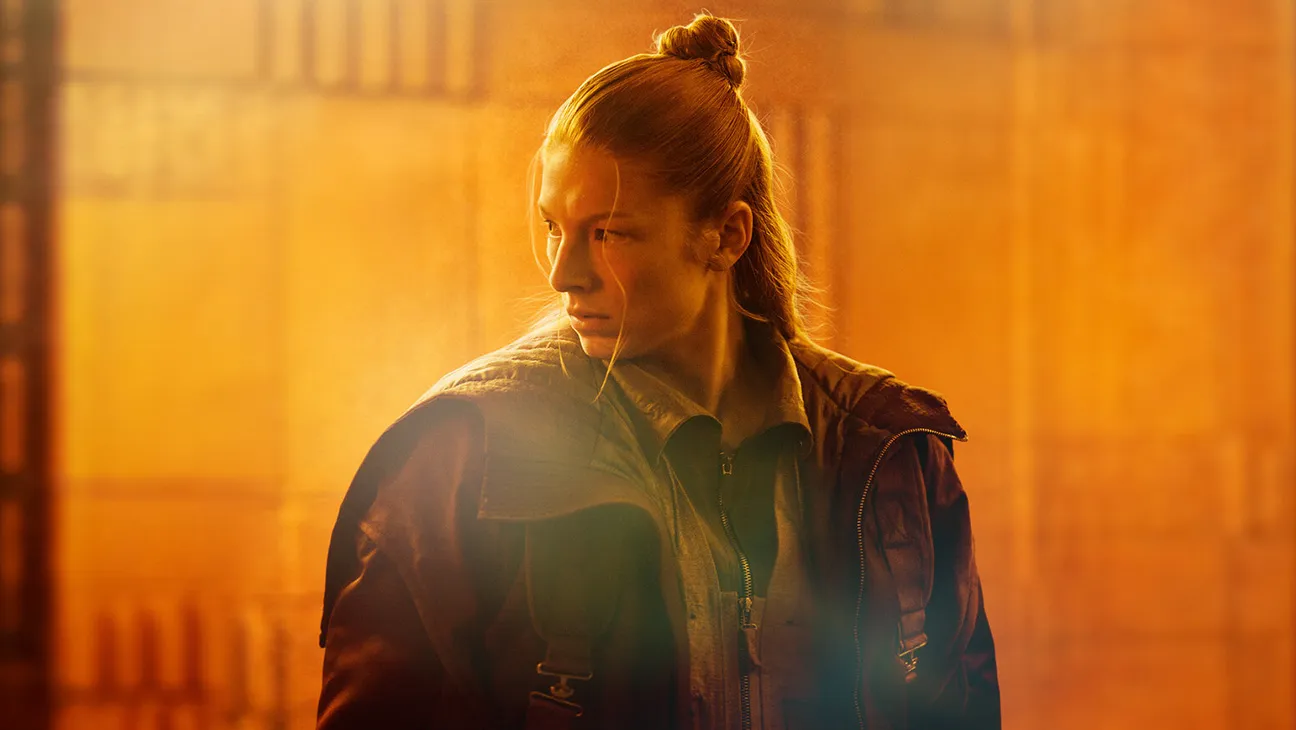
‘Blade Runner 2099’ drops its first Prime Video trailer at Comic-Con
Prime Video reveals the live-action sequel to Ridley Scott’s future-shock franchise, with big streaming and IP stakes.