
Legally Blonde revival’s Elle twist: critics call it hot pink gold or just tedious
The spin-off brings Elle Woods to a new generation, but reviews split on whether younger audiences got better.

The BBC News entertainment piece examines a Legally Blonde spin-off that reintroduces Elle Woods to a new generation. For decision-makers, the key consequence is a reputational risk: the project’s “next generation” pitch is being challenged by critics.
A Legally Blonde spin-off is banking on one bet: that Elle Woods still hits, even for a new generation. The premise is clear. The show or film (described as a “spin-off” in the reporting) reintroduces Elle Woods for younger viewers, aiming to keep the hot pink momentum going with someone new taking the spotlight.
But the BBC News entertainment framing is equally direct about the pressure point. Critics, according to the piece, argue that young people deserve better than what this revival delivers. That tension matters because “revival” is no longer just entertainment. It is a business model. It is an identity play for studios and streamers, and it is a signal to audiences about what the brand stands for in the present.
To understand why this is such a live issue for executives, zoom out to what the audience is being asked to do. A spin-off or revival does not just compete against other shows and films. It competes against the audience’s expectations. When a franchise brings back a character like Elle Woods, it is not only selling nostalgia. It is promising that the original appeal can translate into fresh relevance. The BBC piece says critics are disputing that translation, which means the project is vulnerable on more than just plot mechanics. It is vulnerable on purpose.
There is also a commercial logic behind the “new generation” pitch. Younger viewers are often the growth market that boards and investors want to win next. In that context, a split critical response can create a second-order effect: it can make the next round of greenlights harder, even if the franchise carries brand equity. Why? Because executives do not only read reviews. They read what reviews imply about audience value. When critics argue that young people deserve better, it can be interpreted as a gap between marketing language and lived experience.
This is where governance and incentives get interesting. Decision-makers at media companies typically juggle multiple goals at once. They want to reduce risk by leveraging known intellectual property. They also want to avoid the reputational cost of appearing out of touch. A revival can look like safe capital, but critics can turn it into a narrative about who gets served by mainstream entertainment. If the story is framed as “young people deserve better,” that is a challenge to the project’s legitimacy, not just its entertainment quality.
While the BBC source is focused on the Entertainment angle, the broader industry backdrop is that studios and platforms increasingly face scrutiny from several directions at once: audience sentiment, advertiser expectations, and policy discussions around media influence. Even without naming any specific regulation in the reporting, the key point for executives is that public narratives can have operational impact. A project that is framed as boring, tedious, or not delivering for younger audiences may not trigger a formal compliance issue, but it can still affect strategic priorities. It can affect acquisition conversations, partnership negotiations, and internal confidence that similar branding will land.
Second-order, the “hot pink delight or tedious” divide can shape how internal teams measure success. If a project is set up as a bridge to the next generation, then metrics are likely to be interpreted through that lens. That includes engagement, retention, and word-of-mouth. But critical language like “deserve better” tends to linger. It becomes a shorthand for internal and external stakeholders about whether the franchise is evolving or simply replaying itself.
So what is at stake? For peers in the same executive role, the risk is not just one title. It is a strategy. If critics believe a revival aimed at younger audiences misses the mark, it raises the question of whether the company can responsibly refresh legacy brands. It also pressures leadership to think harder about what “new generation” means beyond casting and marketing copy. Are you offering new stories, new energy, and new value, or are you just re-shelving old appeal in a new wrapper?
The BBC piece, in its short form, leaves you with a clear scoreboard: Elle Woods is back via a spin-off meant to reach a new generation, and critics are pushing back, saying young people deserve better. In a media landscape that rewards attention but punishes credibility, that is the real fork in the road. You can keep the franchise alive, or you can keep the promise alive. The difference is what audiences feel, and what critics are willing to defend.
This story's Key Insights and Take-aways are locked.
Create a free account to unlock Executive Actions for one credit.
Register to UnlockAlways free for Executives Club members. Join the Club
More in Entertainment

Extraction 3 starts filming on Netflix, with Chris Hemsworth and Idris Elba returning
The hit action franchise is back in production, turning Netflix’s blockbuster sequel plans into a live, measurable pipeline.
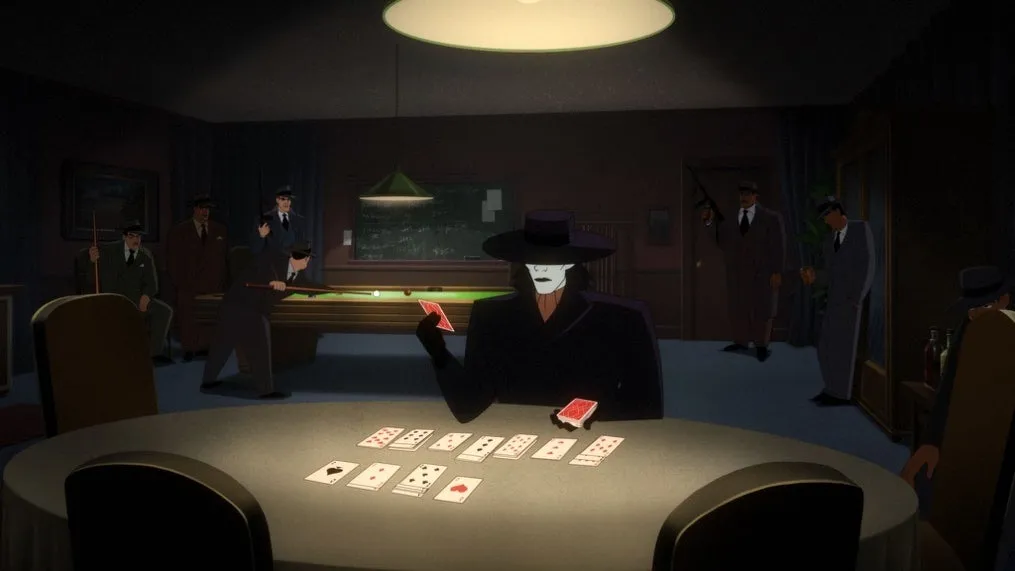
Matthew Needham voices The Joker in Batman: Caped Crusader Season 2
Prime Video confirms the casting from Comic-Con, with Season 2 launching July 31 alongside the new game.
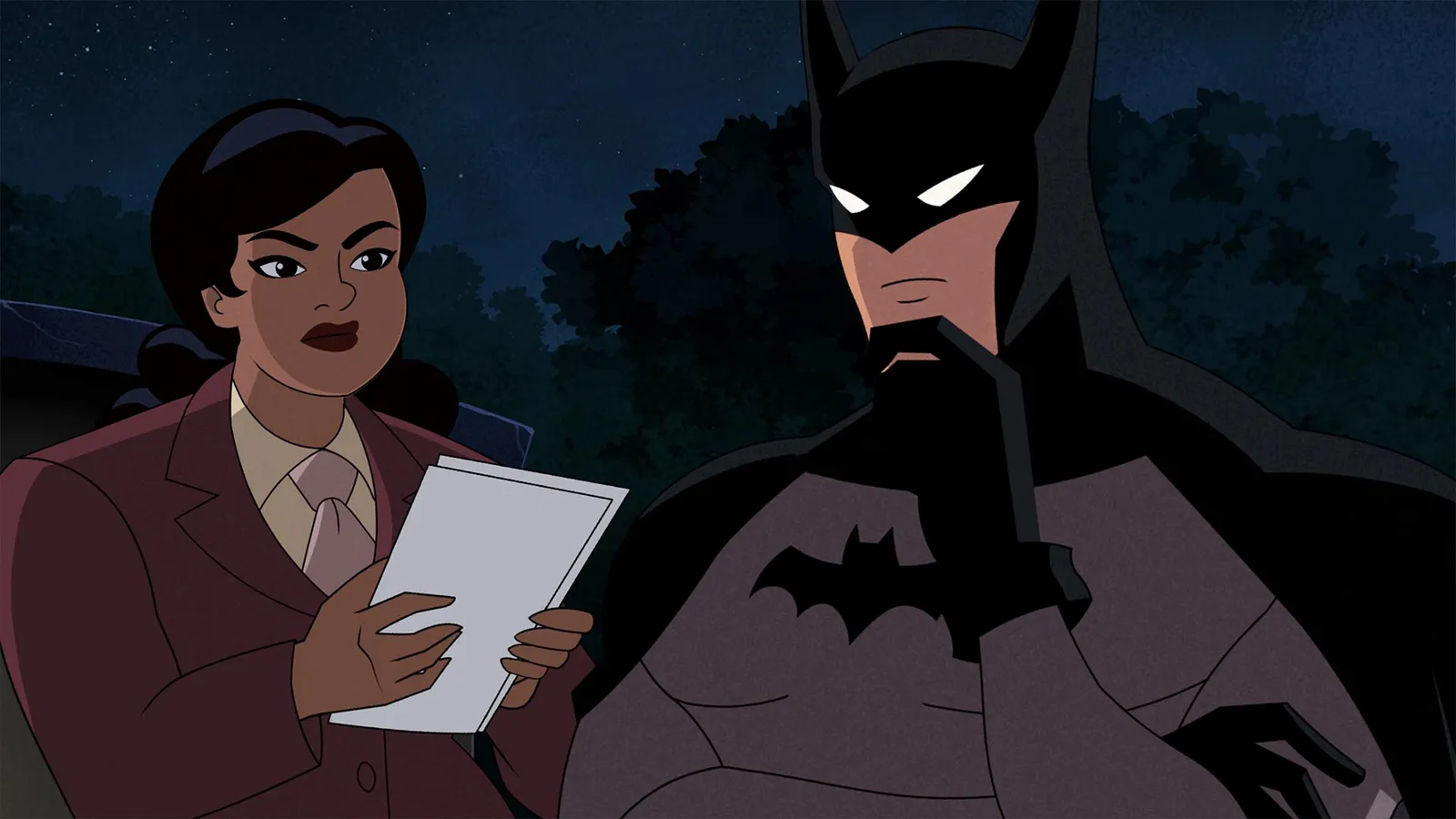
Amazon’s Batman game launches July 31 with Prime, using phones as controllers
Batman: Caped Crusader - Chronicles drops alongside Season 2, and Prime members get it at no extra cost.