

Legion sues the US government after losing access to Anthropic’s Claude Fable 5
The legal tech startup says a nationality-based model-access directive caused immediate, existential harm to its development.
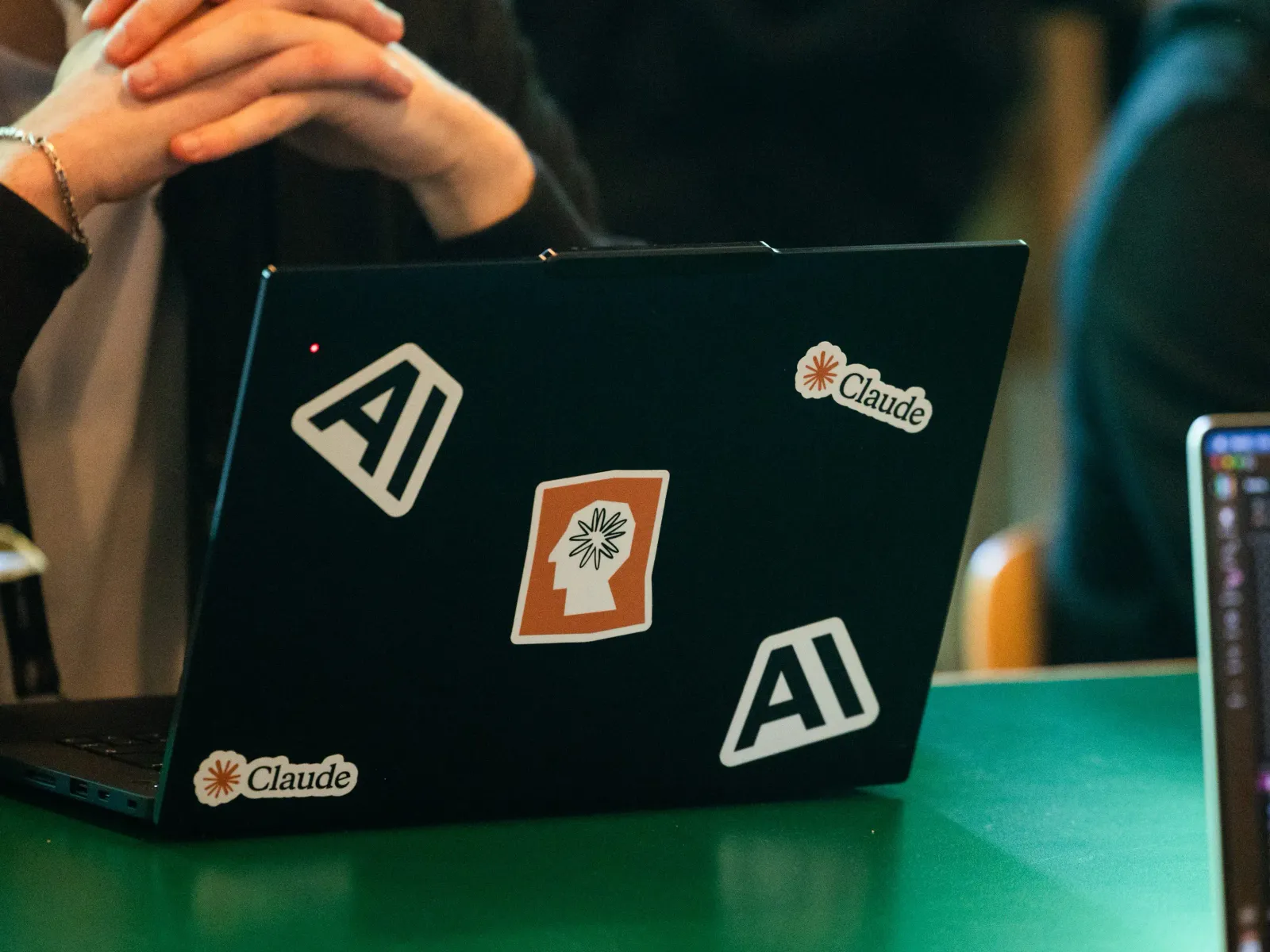
Legion, a US-based legal tech company founded in 2024 and based in San Jose, sued in Washington, D.C. over a government order requiring Anthropic to keep models Fable 5 and Mythos 5 away from foreign nationals. Legion claims the directive stripped its business of a frontier model it relied on to build its litigation drafting platform.
On Tuesday, legal tech startup Legion filed a lawsuit in Washington, D.C. after it lost access to Anthropic models Fable 5 and Mythos 5 under a US government directive. Legion says it employs Canadian nationals who work remotely from Canada, and that the government order took away the “latest tool at the center of its development” as soon as the directive took effect.
Legion is not just upset about inconvenience. In its complaint, the company argues that losing access caused “immediate, irreparable, and existential” harm, pointing to how fast AI development moves and how competitors can move while you are locked out. Legion also frames itself as a contract-holder: it describes itself as a “commercial customer of Anthropic with a contractual right and license to access and use the Fable 5 model,” and says the directive hit its platform instantly.
To understand why this lawsuit matters beyond one startup’s grief, zoom out to what “frontier model access” actually means in practice. Tools like Anthropic’s Claude Code have become popular for coding help, which is not just a consumer feature. For companies building on top of these models, access is operational infrastructure. When a government order changes who can use which model, it effectively changes who can ship product features, iterate quickly, and compete. Legion’s complaint leans on that reality: pace matters, and “instantaneously” is not a metaphor when you are building software for lawyers where workflows cannot pause.
The directive in question traces back to Anthropic’s earlier moves. Earlier this month, Anthropic said it would disable access to both models following a letter from the US government asking it to bar foreign individuals and entities from using the products. Anthropic said the rule would bar some employees from using the tools, and to comply initially it disabled access for everyone. That kind of “turn it off for everyone, then dial it back” approach is familiar in regulated tech. It reduces ambiguity, but it also creates collateral damage for legitimate customers.
Then the situation shifted. Last week, Anthropic restored access to Claude Fable 5 with nationality-based access controls and “enhanced onboarding compliance screening.” That detail matters, because it signals Anthropic is trying to thread the needle between customer demand and compliance requirements. But Legion’s filing suggests the needle did not move quickly enough, or narrowly enough, for its specific setup. Legion says it is US-based and employs Canadian nationals working remotely from Canada, which is exactly the kind of fact pattern that can fall into the gap between a directive’s intent and a customer’s day-to-day operations.
Legion also lays out its business model and why losing a model is not a small setback. The company, founded in 2024 and based in San Jose, develops AI-powered litigation drafting software that helps lawyers automate pleadings, discovery requests, and other court documents. In other words, Legion is selling outcomes and drafting velocity. If its platform depends on frontier lab models such as Anthropic’s, an access disruption is not like a temporary downtime event. It can force product changes, slow releases, and shift resources away from improvement and toward compliance work.
There is another layer here: the lawsuit adds stakeholders to an ongoing friction between Anthropic and the Trump administration around AI safety and government control over frontier models. When Anthropic initially paused access, it said the government was concerned that someone might try a jailbreak of Fable 5. Anthropic also argued that cutting access for a “narrow potential jailbreak” was overkill and would halt all new model deployments. The Legion lawsuit does not resolve the safety debate, but it does highlight a practical consequence: even if the government’s compliance goal is narrow, the economic impact can spread far.
The Department of Commerce did not immediately respond to Business Insider’s request for comment, so the public record right now largely reflects Legion’s position and Anthropic’s compliance steps. Still, the strategic stakes are clear for executives and boards in adjacent AI businesses: when regulators demand nationality-based access controls, the risk is not theoretical. It shows up in customer contracts, remote work realities, product roadmaps, and the competitive timeline. Legion’s suit could become a bellwether for how companies try to protect their ability to build when access to frontier models becomes a compliance variable instead of a stable business input.
This story's Key Insights and Take-aways are locked.
Create a free account to unlock Executive Actions for one credit.
Register to UnlockAlways free for Executives Club members. Join the Club
More in Technology

Nvidia's $89B data center quarter: the 9 companies cashing in
The AI buildout is minting fortunes beyond GPUs, and memory, cloud, and cooling suppliers are riding the same wave.

Google quietly links your phone number to every Android account on your SIM
Adding a SIM now ties your phone number to all Google accounts - and future accounts inherit it. Here's the security and privacy stakes.

Hijacker AI 'Skynet mode' runs 100,000 attack steps against exposed models
Symantec caught a criminal AI agent that borrows other models, steals data, and mines crypto; the only relief is no confirmed victims yet.