
Lego launches its first X-Files set with Mulder and Scully minifigures
A 1,478-piece collectible lands for sci-fi fans and retailers, plus a promotional gift while stock lasts.
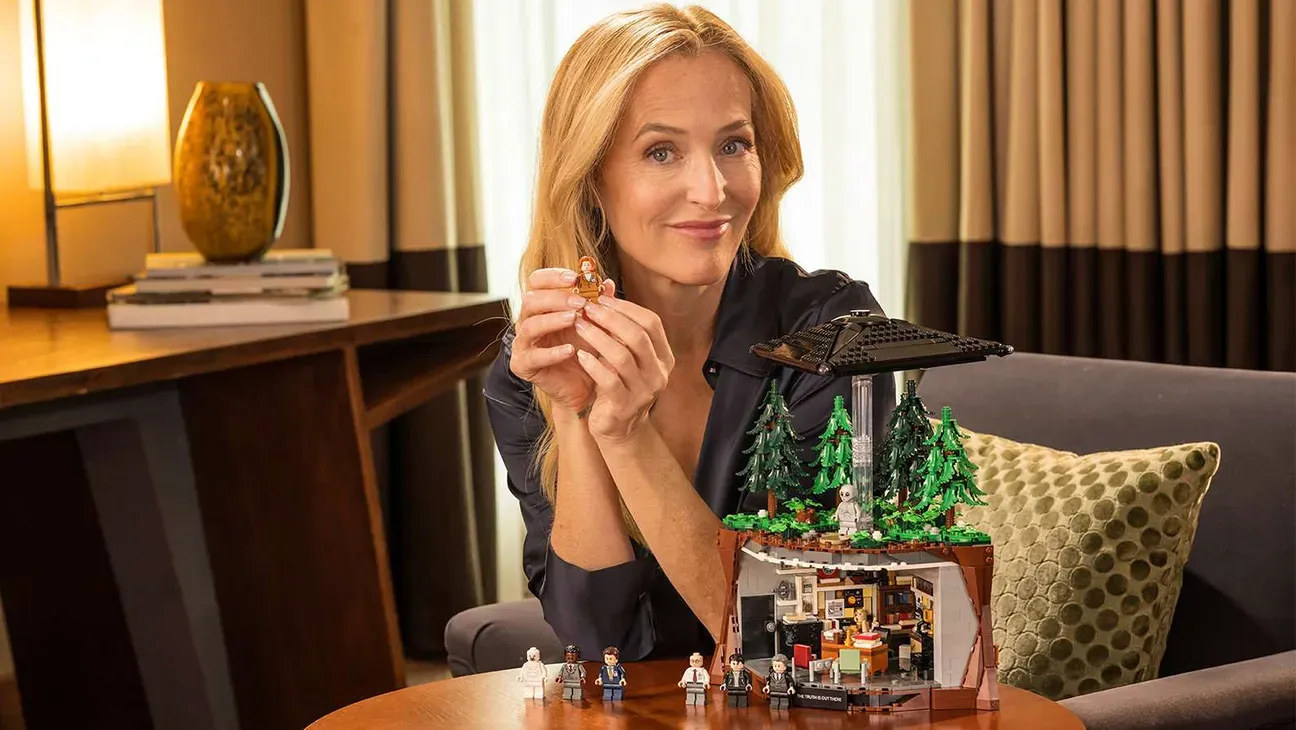
Lego has released its first 'The X-Files' set, a 1,478-piece collectible celebrating the beloved sci-fi television series. The release matters for decision-makers because it pairs a nostalgia-driven product with a limited-time promotional gift that can influence sell-through and retailer inventory decisions.
Lego has just released its first 'The X-Files' set, and it is not subtle about who it is for. The 1,478-piece collectible celebrates one of television's most beloved sci-fi series, and it comes with Mulder and Scully minifigures so fans can stage their own investigations in brick form.
For leaders watching the collectible and licensing pipeline, the timing has an extra commercial lever: the set also includes a promotional gift while stock lasts. That combination matters because it is designed to do two jobs at once. First, it drives product demand from the core audience. Second, it gives retailers and distributors a built-in reason to move inventory sooner rather than later, before the promotional window closes.
This is the kind of licensing play that looks simple on the surface, but it sits at the intersection of product design, brand partnership, and retail execution. Lego has a long history of turning media franchises into physical artifacts, and collectible sets typically thrive when they hit a specific emotional register: a show people love, characters they recognize, and a build experience that feels like a trophy even before it is displayed. Here, the proof is in the details the set includes Mulder and Scully minifigures. That is not “X-Files-inspired” in the abstract. It is the actual central duo fans would expect.
There is also a practical reason these products keep selling: they are built for “intentional purchase” behavior. Unlike everyday toys that get rotated into a weekly cycle, collectibles often rely on one-time moments: a first-time buy, a completionist add-on, or a gift decision. That is why the mention of a promotional gift while stock lasts is more than a throwaway marketing line. Limited-time perks can change buyer behavior by tightening the timeline. It nudges customers who might otherwise wait into acting now, which can improve sell-through velocity for stores and channels.
From a board and executive perspective, this release is another signal of how entertainment brands monetize attention across multiple formats. Television is not just for streaming or reruns anymore. It becomes a design input for consumer products, which can extend brand life and broaden revenue streams outside traditional ad or subscription models. For consumer-facing companies, this matters because licensing can diversify demand and hedge some risks tied to purely internal IP. When a set is anchored to a widely recognized franchise, it can also reduce some of the uncertainty that comes with launching a brand-new concept.
At the same time, executives should think about operational implications. When a product is both collectible and franchise-based, the business risk profile can shift. There can be a narrower target demographic, but a higher willingness to pay within that group, and a stronger reason for collectors to complete a set. If promotions are included, the economics can also become more delicate, because the promotional gift is an added cost that must be justified by incremental sales or faster inventory turnover.
Second-order effects show up in how other licensors and toy makers may respond. When Lego drops an “inside-the-box” character pairing like Mulder and Scully minifigures, it sets expectations for other franchise entries: fans want recognizable figures, not generic nods. That can raise the bar for future media-to-toy conversions. It also pressures retailers to plan shelf space and promotional calendars around headline releases from major partners, because customers increasingly shop based on specific franchise announcements, not only on traditional seasonality.
Strategically, the stake for peers in similar roles is straightforward. The X-Files set is a case study in using franchise credibility, a precise piece count, and character inclusion to reduce marketing friction, then layering a promotional gift while stock lasts to accelerate demand. Executives should watch how quickly such sets move, because that speed influences forecasting models, purchasing commitments, and future licensing negotiations. If the product performs as intended, it becomes evidence that nostalgia plus limited-time incentives still outperforms generic discounting in driving collectible behavior.
This story's Key Insights and Take-aways are locked.
Create a free account to unlock Executive Actions for one credit.
Register to UnlockAlways free for Executives Club members. Join the Club
More in Entertainment

Ali G's 'stooge' says he was in on joke, outplayed Sacha Baron Cohen
A 54-year-old aspiring actor says he recognized Sacha Baron Cohen mid-shoot, kept his MAGA act up, and let the film-makers think they had fooled him.

Entertainer Russell Brand denies 7 sex charges amid accuser's 'couldn't breathe' claim
The alleged victim's account sharpens the reputational and legal stakes for Brand, his platforms, and any business tied to a public figure under criminal scrutiny.

Russell Brand's accuser 'bewildered and confused' as he denies 7 sex charges
The criminal case against the comedian is a live test of how media companies manage talent risk when serious allegations go public.