
Lego launches Pokémon “smart” bricks that make Pikachu battle-ready with lights and sound
The Lego-Pokémon tie-up turns kids into trainers using motion-sensitive bricks, paving a new lane for interactive toy play.
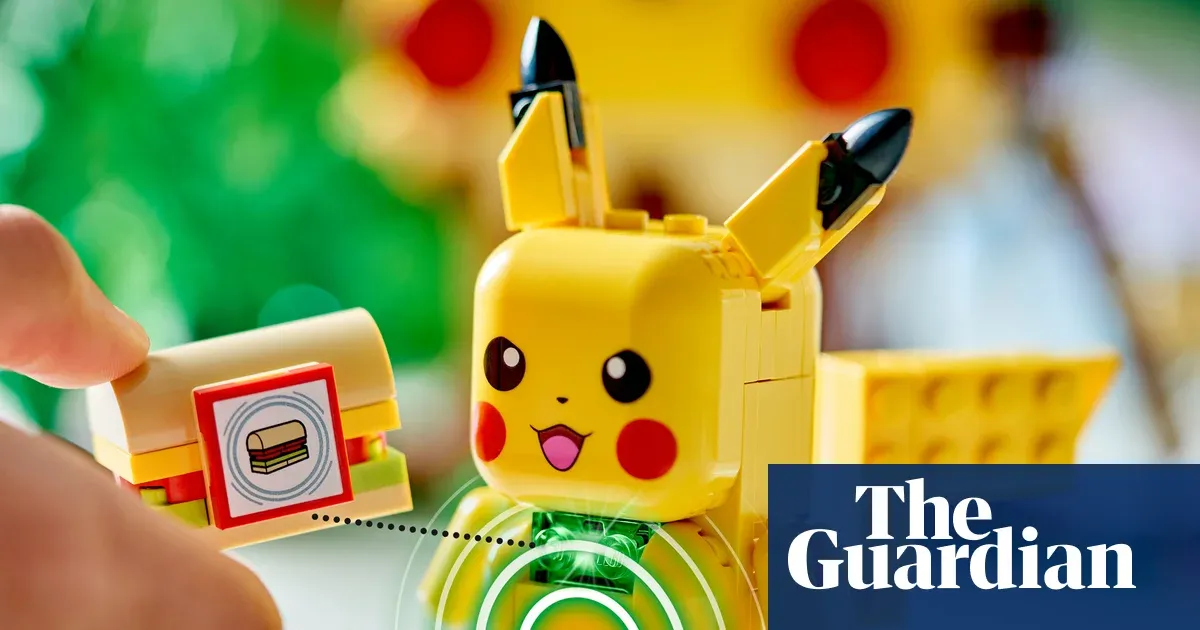
Lego has launched Pokémon-branded “smart” bricks that pair with sets to create sound effects and flashing lights, bringing Pikachu to life. The interactive tie-in raises the stakes for toy companies by blending blockbuster IP with tech-like responsiveness.
Lego is taking a page from video games and smuggling it into the toy aisle. The company has launched Pokémon-themed “smart” bricks designed for interactive battles, with Pikachu becoming the headline feature in the experience. In practical terms, the sets are built around motion-sensitive technology that produces sound effects and flashing lights when the bricks are paired with different play setups.
Why this matters is simple: it changes what “playing Pokémon” means. Many fans fantasise about being a trainer, and this tie-up between Lego and Pokémon gives them a version of that fantasy that reacts back. Instead of treating the figure as a static character, the bricks make the play feel closer to an interactive battle, with the sensory feedback doing some of the work that a screen usually handles.
This is the latest chapter in Lego’s ongoing push toward tech-enabled play. The source points specifically to Lego’s motion-sensitive “smart” bricks, which are part of a broader trend where toys behave more like systems than objects. When the bricks are paired with different sets, they trigger an array of sound effects and flashing lights. That detail is not just decorative. It implies that the same physical building blocks can produce different “event” outcomes, which is a core mechanic in how interactive media keeps attention.
The business logic underneath is that blockbuster toy brands are increasingly competing on engagement, not just recognizability. Pokémon is an IP with mass cultural reach, and Lego is an IP with an almost unmatched ability to turn characters into buildable worlds. A collaboration between the two is a forcing function: it’s designed to pull in Pokémon fans who secretly want to be trainers, and Lego fans who like systems they can tinker with. That overlap is valuable, because it can expand the audience beyond either brand’s core.
There is also a second-order implication for boardrooms and product teams: interactivity changes what “value” looks like. Traditional toys win on durability, design, and collectability. Interactivity adds a new layer, where the product has to communicate enough “responsiveness” to justify the experience. In this case, the bricks do that through sound effects and flashing lights tied to motion and pairing with different sets. Even if the mechanism stays relatively straightforward, the expectation shifts. Once children get used to a toy that reacts, they start to compare everything else in the room to that responsiveness.
Regulatory and safety dynamics likely sit in the background even when they are not the headline. When products include electronics like sound and flashing lights, companies typically have to meet safety standards for electrical components and comply with rules that vary by region. The source does not mention the specific compliance requirements, but it is reasonable to treat this category as one where diligence matters, because there is more going on than paint and plastic. That diligence is not glamorous, but it can affect timelines, manufacturing decisions, and cost structures.
From an industry perspective, this Lego-Pokémon move also fits the broader competitive pattern: entertainment brands and consumer tech-like features are converging. Toys are becoming a kind of early-stage “interactive platform,” even when they do not look like tablets or consoles. That platform angle matters for partners too. If a toy line can create repeat engagement through battles that feel reactive, it becomes a mechanism for recurring purchases, seasonal updates, and new set drops, all anchored to a franchise.
For executives watching similar moves, the strategic stakes are straightforward. Lego’s new Pokémon sets show that the next wave of consumer hardware-like play is not only about adding electronics, it is about mapping a beloved narrative into a responsive building system. If you are a toy maker, a media company with characters to license, or a product leader in kids entertainment, the question becomes whether your offerings can deliver that same “trainer” fantasy with feedback that feels immediate. In a market where attention is expensive, “feel like the trainer” is more than marketing. It is a product requirement, and Lego is betting hard that responsive bricks can make it real.
This story's Key Insights and Take-aways are locked.
Create a free account to unlock Executive Actions for one credit.
Register to UnlockAlways free for Executives Club members. Join the Club
More in Entertainment

Marjane Satrapi, 56, dies: “Persepolis” creator’s legacy ripples through global culture
The Franco-Iranian author’s death is confirmed as Saudi Arabia expands culture funding at home and abroad.
Josh Brolin’s $100M sci-fi epic returns on streaming after an 8-year wait
After an almost two-decade Oscar orbit and a Dune-shaped warning label, his $100M film becomes a late-night hit.
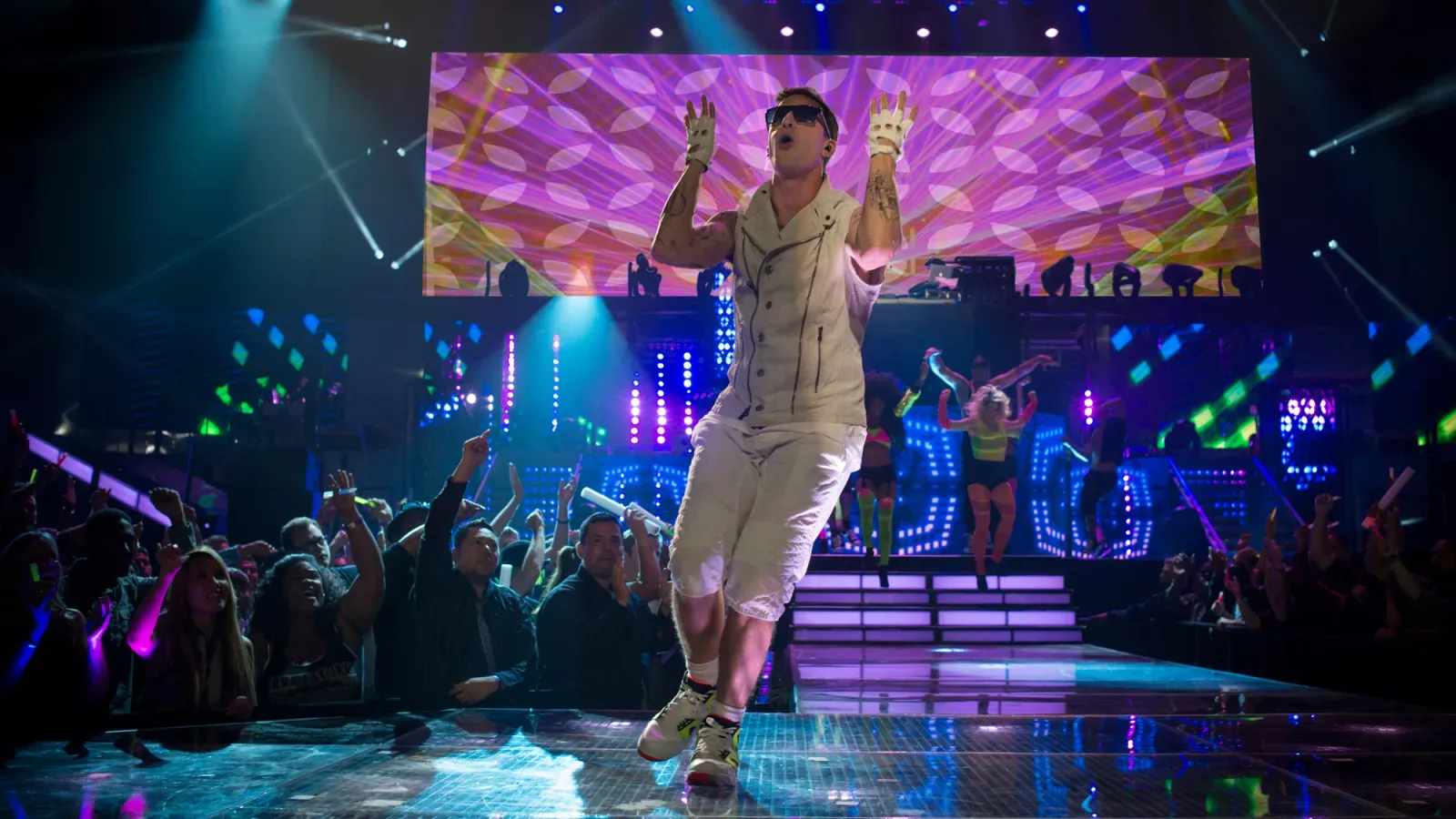
Lonely Island pulls back the curtain on Popstar: Never Stop Never Stopping’s 10-year cult hit
An oral history revisits the making of the mockumentary, and why its creators keep winning with absurd precision.