
Life is Strange studio Don't Nod scrambles to avoid insolvency as unrest boils over
The French studio behind Life is Strange is restructuring on the edge of collapse, and the turmoil inside the company is a warning for every mid-sized game developer.
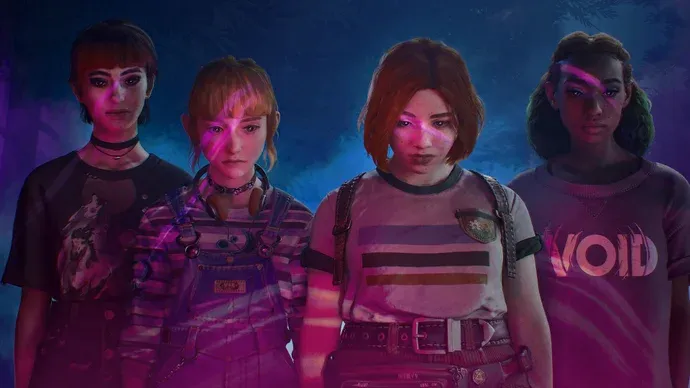
Don't Nod, the French studio behind Life is Strange, is scrambling to restructure while facing possible insolvency and deep internal unrest, according to Eurogamer. For studio executives and publishers, the situation shows how legacy creative success does not protect a company from balance-sheet pressure.
Don't Nod, the French studio behind Life is Strange, is scrambling to restructure as it teeters on the edge of insolvency, with Eurogamer reporting deep unrest inside the company. The studio, which also created Remember Me, Vampyr, Banishers: New Eden, and most recently Aphelion, is now fighting to reorganize before the financial wall closes in. For a developer that helped define the modern narrative adventure genre, this is a stark reversal: a name players trust is now being watched by employees who are openly worried about survival.
Eurogamer's report captures the mood with a blunt line: "This company has been driven into a wall for years." That sentence frames the entire situation. Don't Nod is not dealing with one bad launch or a single disappointing quarter; it is dealing with a long-term grind that has left the studio fighting for breathing room. The report does not lay out a specific rescue plan, but the stakes are clear. Restructuring at this stage typically means cutting costs, renegotiating obligations, hunting for new investment, or a combination of all three, and every option carries risk for morale and momentum.
The condition of Don't Nod matters beyond the studio itself. The French developer's catalog shows a pattern of ambitious, story-driven titles that built a loyal audience without necessarily building a fortress-like financial cushion. Life is Strange became a cultural touchstone, but the games industry does not give a studio permanent credit for past hits. Each new project carries higher development costs, a longer timeline, and a launch window that can make or break the bottom line. For studios in similar positions, Don't Nod is a case study in what happens when a strong brand is not enough to offset structural pressure.
For context, the broader market for narrative-focused games has become more crowded and more expensive to compete in. Big publishers pour massive marketing budgets into blockbuster releases, while small studios fight for attention in a storefront that is flooded with thousands of new titles every year. A studio that built its name on writing, characters, and emotional payoff now has to prove it can also manage efficient production, smart financing, and disciplined portfolio planning. That is a very different muscle from the one that won over players in an earlier era.
The unrest inside Don't Nod also highlights a classic restructuring trap: the moment a company starts reorganizing, employees start reading the tea leaves. Anxiety about insolvency can become a self-fulfilling problem if key people leave, if communication breaks down, or if the studio loses the creative spark that made it distinctive. Leaders in similar companies should treat internal trust as a balance-sheet item. The artists, writers, and engineers who can create a hit are also the ones who can walk out the door when they sense instability.
For competitors and partners, the situation has implications beyond Don't Nod's own future. A struggling studio with beloved franchises can become an acquisition target, a source of talent, or a cautionary tale that makes investors more cautious about funding narrative games. Publishers evaluating deals will likely pay closer attention to a studio's cash runway and production track record, not just its brand recognition. That shift in perception can be more damaging than any single financial miss, because it changes how the entire category is priced.
The lesson for decision-makers is uncomfortable but simple. A great game does not guarantee a great business. Don't Nod's legacy is secure among players, but its financial position is being decided now, in the unglamorous work of restructuring, renegotiating, and rebuilding trust. Other studio heads should watch closely, because the next development cycle will demand more than a good story. It will demand a sustainable business model around it.
This story's Key Insights and Take-aways are locked.
Create a free account to unlock Executive Actions for one credit.
Register to UnlockAlways free for Executives Club members. Join the Club
More in Business
Anthropic Files for IPO, Ticker 'ANT' - The AI Listing to Watch
The AI company has filed for an initial public offering under the ticker 'ANT,' giving public investors a new way to bet on the generative AI boom.

Anthropic's S-1 reveals $80.7B loss as it races OpenAI to IPO
The Claude maker files publicly for a Nasdaq listing under 'ANT,' exposing staggering losses and a world-altering ambition before it can beat OpenAI to the market.
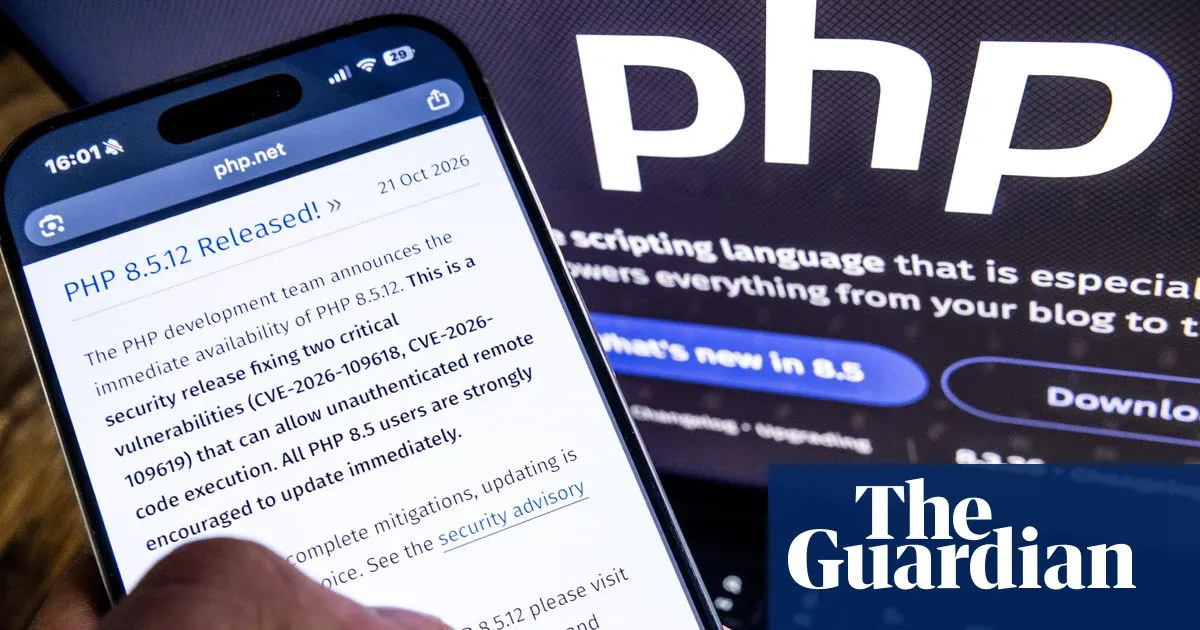
A flaw in PHP just forced governments to pull their own sites offline
European agencies from Belgium to Germany took websites dark to patch a critical weakness in the language behind almost 70% of the web, and the blast radius extends far beyond government portals.