
Lil Nas X says he feels better after rehab and bipolar diagnosis
The Old Town Road star’s rehab and new bipolar diagnosis shift the story from legal trouble to health, with real reputational stakes.
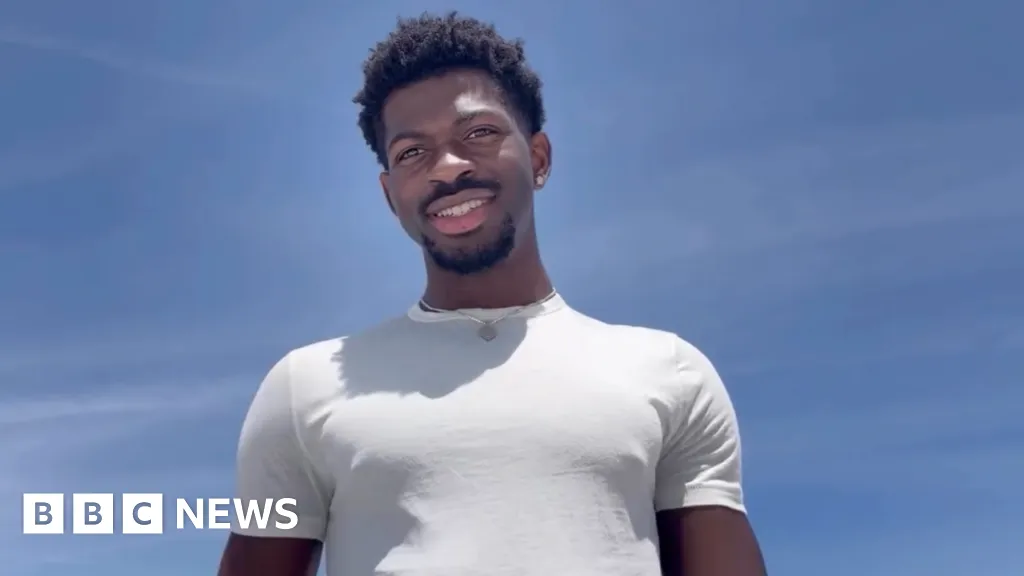
Lil Nas X, star of Old Town Road, says he is “feeling better” after entering rehab and after being diagnosed with bipolar disorder. For decision-makers, the update matters because it changes how fans, brands, and platforms will read the risk in his public life.
Lil Nas X says he’s “feeling better” after rehab and a bipolar disorder diagnosis, according to BBC News Entertainment. The same report also notes that he was arrested last year for attacking police officers, before later entering rehab.
That timeline matters because it reframes what the public is tracking. Legal trouble gets measured in facts and dates. Health updates, on the other hand, push the conversation into ongoing management: recovery, stability, and how quickly a high-profile career can get back on track without repeating past chaos.
For executives who work with artists like Lil Nas X, this is the kind of moment where risk management has to outgrow vibes. Media cycles rarely treat a rehab entry and a mental health diagnosis as a tidy “resolution.” Instead, audiences tend to ask: Was this a one-off crisis, or a pattern? A “feeling better” statement can help, but it also raises expectations for follow-through and consistency in the months ahead.
There is also a regulatory and platform dimension that is easy to underestimate. An arrest is not just a tabloid event; it is the type of incident that can trigger internal review processes at labels, sponsors, and distribution partners. Even when there is no formal regulator deciding anything, these stakeholders often rely on reputational risk frameworks that look at public conduct, safety concerns, and the likelihood of future headlines. A bipolar diagnosis, while medical, can become a business variable simply because it influences public perception of reliability.
Brands, too, will do their own calculus. Most major partnerships are not just about talent; they are about brand adjacency. When an artist has been arrested for violence against police officers and later enters rehab, the question shifts from “will this sell?” to “will this create brand damage?” A message that the artist is feeling better can soften that fear, but it does not erase the underlying history. Decision-makers will still watch for behavioral signals, scheduling stability, and whether the narrative stays focused on recovery.
Then comes the internal boardroom reality, the part nobody likes to admit out loud. When celebrities experience legal and health crises, governance gets messy. Labels and management teams are balancing creative momentum with duty-of-care expectations, contractual obligations, and public statements that can either calm stakeholders or inflame them. The incentive is to move forward quickly, but the constraint is that the internet does not allow “quickly” to mean “carefully.” The best operators try to tighten their process around communications, event planning, and escalation paths.
This is also a moment for peers. Lil Nas X is a globally recognized artist, and his public health update lands in the middle of a broader industry shift: mental health is discussed more openly than it used to be. But openness still collides with accountability. The second-order effect is that other artists, managers, and executives will treat this update as a reference case. They will ask how to respond when the news moves from courtroom-style headlines to medical ones, and how to avoid the trap of either minimizing risk or exploiting a diagnosis for sympathy.
In practical terms, the stakes for decision-makers are straightforward. You can’t control what happened last year. You can control what you do next: how you structure support, how you vet communications, and how you reduce the odds of another crisis that would derail projects. Lil Nas X saying he’s feeling better after rehab and a bipolar diagnosis is an important signal. The strategic challenge is making sure that signal leads to durable stability, not just a temporary news-cycle lull.
This story's Key Insights and Take-aways are locked.
Create a free account to unlock Executive Actions for one credit.
Register to UnlockAlways free for Executives Club members. Join the Club
More in Entertainment
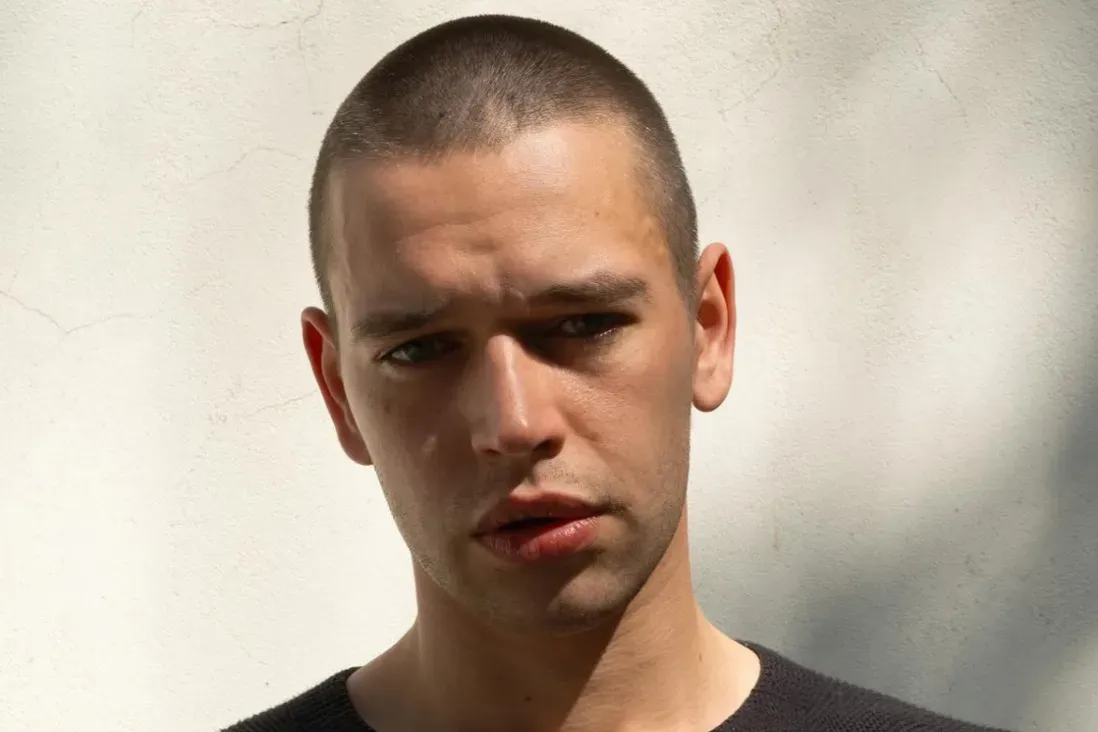
Starfleet Academy names newcomer Ruaridh Aldington a Season 2 series regular
At San Diego Comic-Con's Star Trek 60th anniversary panel, Aldington joins as Keats, a high-stakes mystery for the cadets.
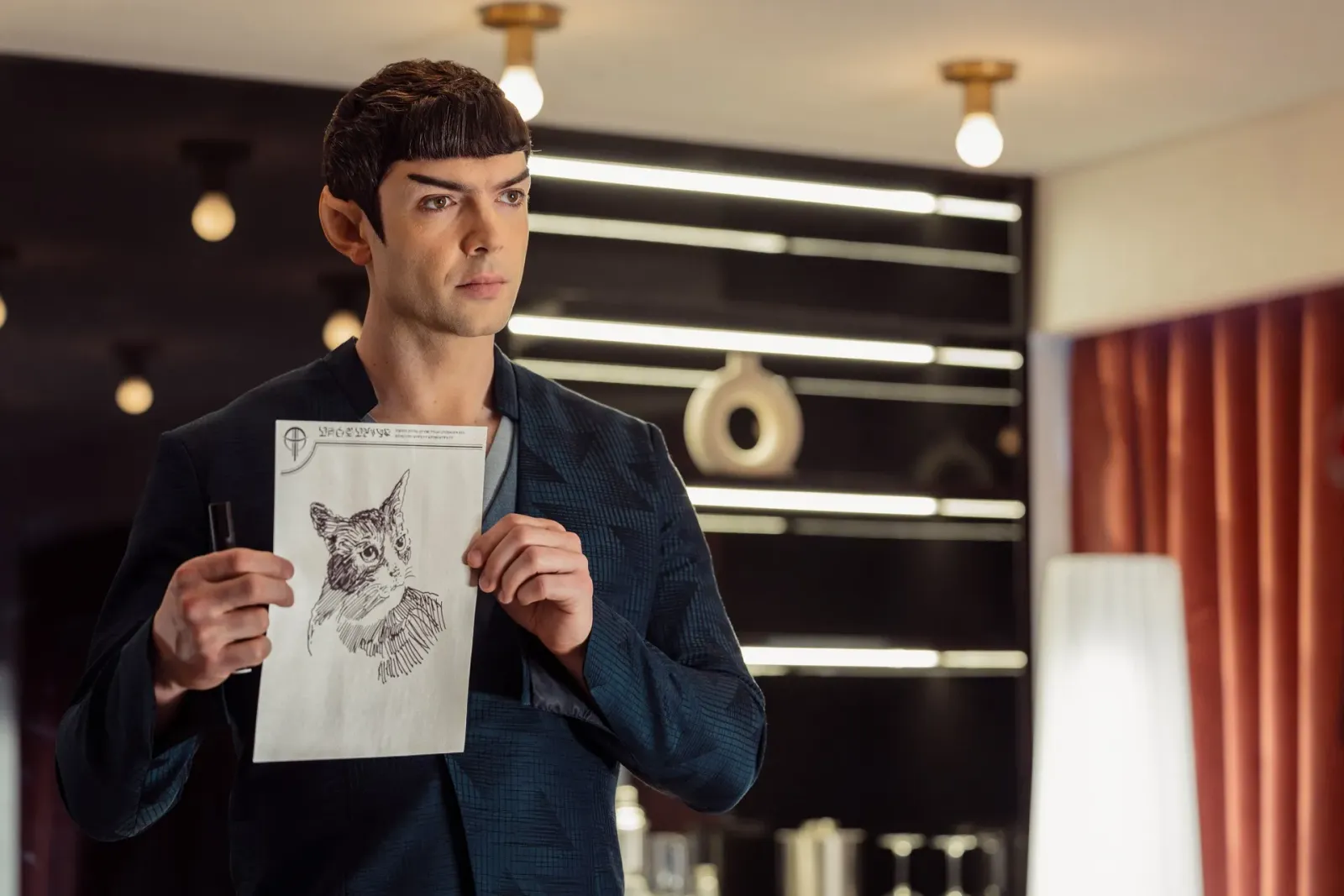
Akiva Goldsman drops Strange New Worlds Season 4 timing: weekly until Sept. 24
Star Trek’s co-showrunner uses Comic-Con to lock in the release calendar for Paramount+ Season 4.
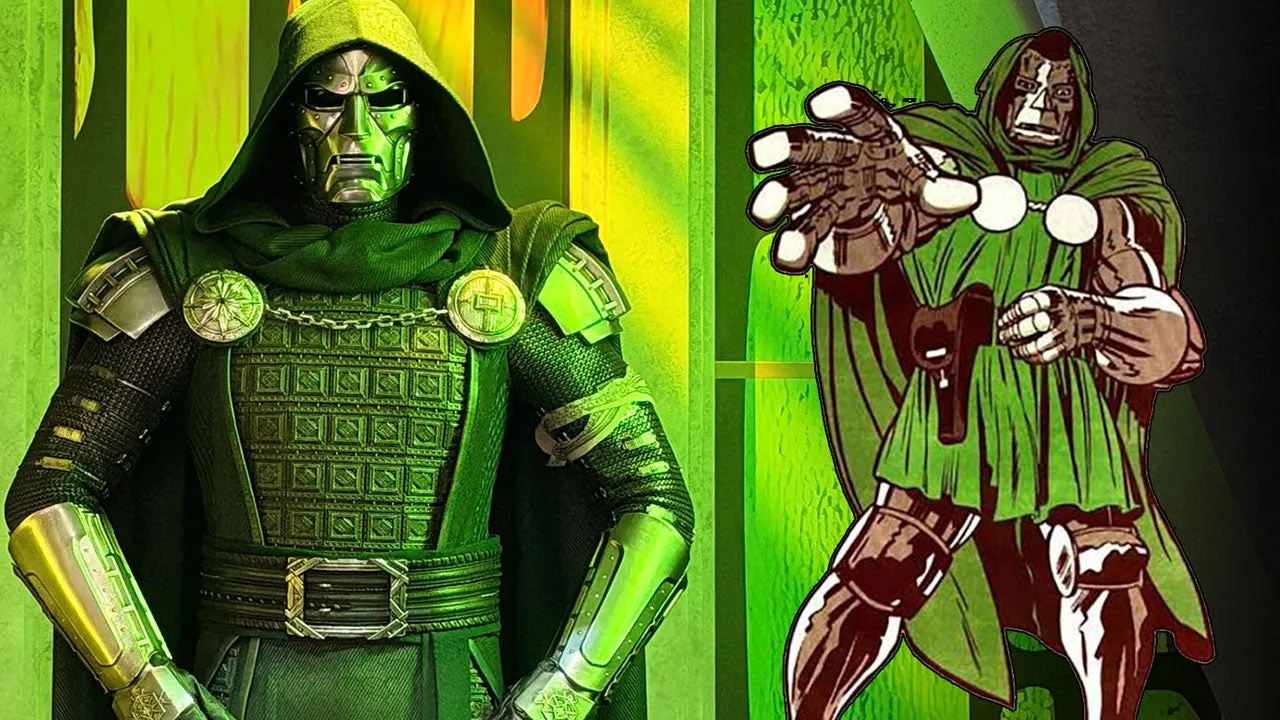
Marvel’s Avengers: Doomsday Doom armor stays faithful to comics, but adds samurai-style upgrades
A fresh look at Robert Downey Jr. as Victor von Doom at Comic-Con shows what Marvel kept, changed, and why it matters.