
Linkin Park becomes Download Festival's first female-fronted headline act
A major UK rock booking breaks a decade-old glass ceiling at Donington, reshaping expectations for festival leadership.
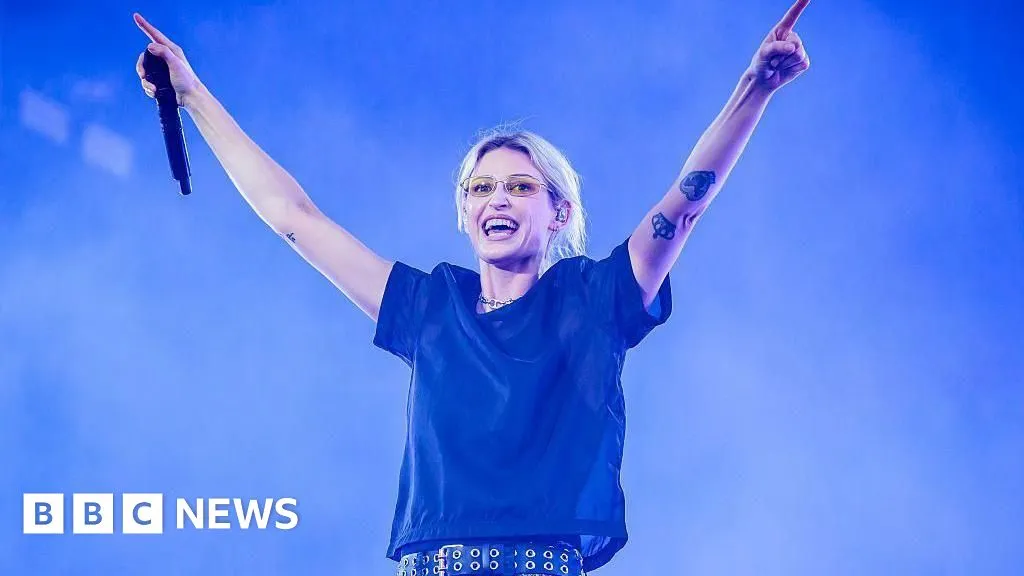
Linkin Park will headline Download Festival, making history as the first female-fronted band to do so. For executives, the move signals how festival operators are shifting marquee strategy and audience positioning.
Linkin Park is set to make Download Festival history by becoming the first female-fronted band to headline the event. That matters because headlining is not just a line-up honor. It is the commercial and cultural signal the whole festival industry reads. If you are an operator, an agency, a label executive, or a brand that buys media packages, the headline act determines who shows up, who buys upgrades, and how sponsors frame their “relevance” for the year.
For decision-makers, the key point is that this is not a side-stage milestone. Download Festival is a headline platform, and a headline booking forces the market to re-rank what “big enough” looks like. Linkin Park’s position as the first female-fronted band to headline changes the default assumptions that often guide booking committees, partner negotiations, and marketing plans. It turns a long-running debate about representation in major rock and metal billing into something operational, measurable, and highly visible in the real world.
To understand why the industry pays attention, zoom out to how festivals work as business models. Large music events are built on predictable demand signals: familiar names, proven drawing power, and a narrative that makes mainstream media coverage easier. For years, many in the live industry have said the “scene” is broader than what gets promoted at the highest tier. But broadness does not automatically translate into headline slots, because headline slots are the most expensive risk. They also tend to be the most protected in negotiations, since operators want the widest possible audience cross-section and the safest partner alignment.
So when a first-of-its-kind headline happens, it creates a live case study. It suggests that gatekeeping at the marquee level can change when promoters align their incentives with audience realities. Even without additional numbers in the source, the headline itself is a factual marker of operational decision-making at a top-tier event. In an industry where booking errors can be costly, a first can also be a strategic bet: if the audience response matches expectations, the playbook becomes repeatable.
It also has knock-on implications for the wider ecosystem around festivals. Agencies and labels do not just sell tickets. They sell access to cultural legitimacy. A headline placement like this tends to strengthen other campaigns, because it gives partners a clean headline for press outreach and sponsorship decks. Brand associations are often cautious, especially in categories where taste and demographics can be perceived as moving targets. A widely covered “first” gives marketers a low-friction narrative: progress that also performs.
There is also a boardroom angle, because representation has become a measurable governance and reputational topic across media and entertainment. While the source does not cite any regulator or compliance requirement, the broader pattern is that public-facing entertainment companies increasingly face scrutiny on diversity and inclusion, including how they program top billing. In that sense, this booking can reduce reputational friction for festival stakeholders who want to demonstrate credible change without turning it into a publicity stunt.
Second-order, it can shift bargaining leverage. Once a festival proves it can deliver a first-of-its-kind headline, other acts with similar fronted dynamics can point to a tangible precedent. That does not guarantee immediate changes across every market segment, but it can soften resistance in future negotiations. It also changes how journalists and audiences interpret line-ups, because headlines influence perception. People do not just ask “who is on the bill.” They ask “who gets centered.”
For peers running music operations, talent strategy, or brand partnerships, the strategic stake is simple: the headline tier is where industry norms get rewritten. Linkin Park making Download Festival history as the first female-fronted band to headline sends a signal that marquee strategy can evolve. The question executives should be asking is not whether the “first” happens, but whether the rest of the system updates to match it, from scouting to promotion to sponsorship packaging.
This story's Key Insights and Take-aways are locked.
Create a free account to unlock Executive Actions for one credit.
Register to UnlockAlways free for Executives Club members. Join the Club
More in Entertainment

Christopher Nolan’s “The Odyssey” posts his biggest Tuesday haul, surpassing “The Dark Knight’s” record
The film’s Tuesday breakout reframes Nolan’s box-office ceiling and forces competitors to rethink timing, budgets, and release strategy.

Kacey Musgraves cancels Aug. 20, 29, Sept. 2 Middle of Nowhere shows
Ticketmaster emails are telling fans refunds are coming, while the tour still starts Aug. 21 in Chicago.

Billie Joe Armstrong launches Epiphone Les Paul Junior and Marshall 1959BJA signature gear
Two limited releases turn decades of Green Day’s tone into branded hardware, including Marshall’s first artist amp in 14 years.