

Liverpool hands out hundreds of lifetime bans after police seize over £1.2m from ticket touts
Hundreds of bans follow a crackdown that netted more than £1.2m in assets tied to illegal ticket selling, tightening enforcement.
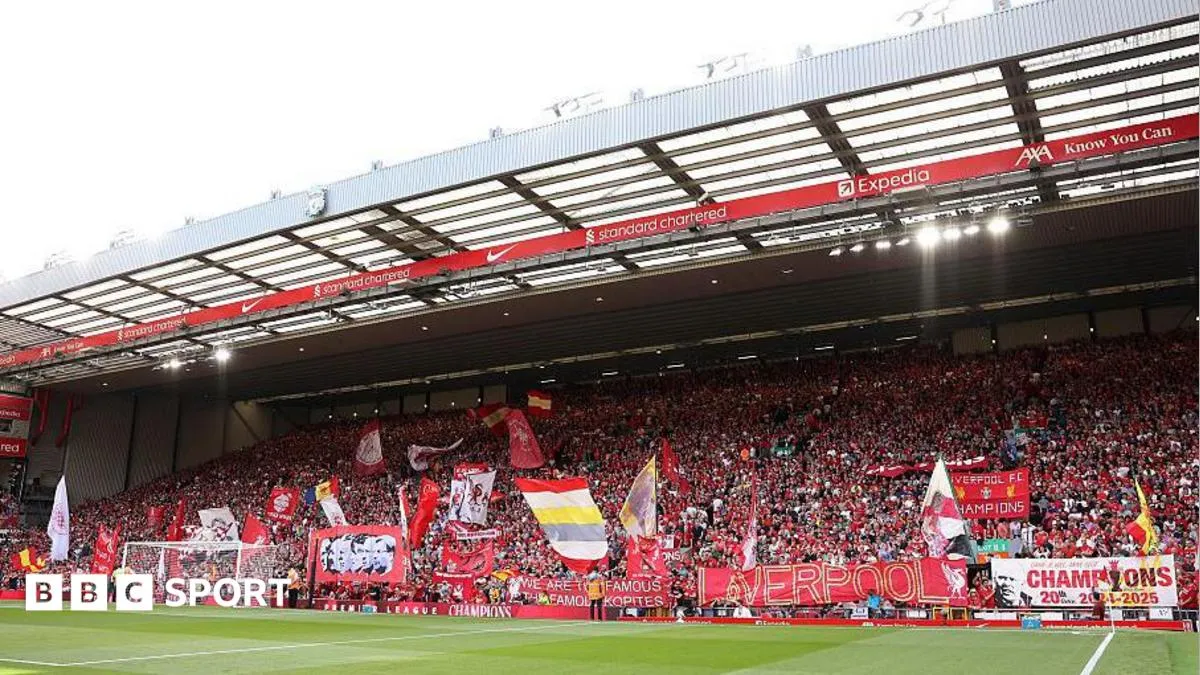
Liverpool has issued hundreds of lifetime bans after police seized more than £1.2m of assets connected to the illegal selling of tickets. For club leadership and executives across sport, it signals that ticket fraud can trigger both criminal action and harsh club-level consequences.
Liverpool has issued hundreds of lifetime bans after police seized more than £1.2m of assets tied to the illegal selling of tickets. That money figure matters, because it is not just a slap on the wrist for wrongdoing. It is evidence of an organized, monetized pipeline from ticket touts to profit, and now the club is moving to sever the pipeline at the user level too.
In practical terms, this is the combination that makes enforcement feel real: authorities take the assets, and the club follows with lifetime bans. Liverpool's action is a direct response to the illegal ticket selling crackdown, and the scale of the punishment, "hundreds" of lifetime bans, tells other clubs and executives that policy is no longer purely procedural. When police seize over £1.2m, the underlying behavior is being treated as something with enough financial gravity to justify a sustained response.
To understand why executives should care, zoom out to how ticket markets usually work. Tickets for major matches are high-demand, limited-supply products. That mismatch is where arbitrage thrives. Even when fans try to do everything the “right” way, resale markets can become messy fast, and enforcement becomes a constant cat-and-mouse game: which sellers are acting as legitimate resellers, and which are running schemes that undermine official channels? The “legal vs illegal” line is not just a legal distinction. It is also a brand and revenue distinction. Clubs want predictable operations, fair access, and fewer reputational hits from scams.
This is also where second-order board dynamics show up. Clubs typically rely on multiple revenue streams, but matchday demand is both a financial engine and a community trust test. Ticket touting does not just annoy fans. It can distort perceived fairness, drive resentment, and increase operational burdens on ticketing systems and customer support teams. When police seize assets and the club issues lifetime bans, it reduces ongoing harm, but it also forces boards and senior executives to answer a harder question: how did these bad actors persist enough to generate more than £1.2m in seized assets?
From a regulatory perspective, the key point is that enforcement here is crossing boundaries. Police action targets assets connected to illegal activity. Club-level bans target participation and future access. Together, they create a deterrence loop. For an executive, that is a useful pattern to recognize even if your club is not in the headline today. Deterrence works better when consequences are layered. It is harder to rationalize risk when you face both criminal exposure and a permanent loss of ability to attend.
Liverpool is now effectively making the club's internal enforcement mirror the external crackdown. Lifetime bans are an unusually strong sanction, which is why they deserve attention from peers. A lifetime ban is not just a penalty. It is a statement about how the organization defines community harm and who gets access in the future. If you are a chief financial officer, you also have to think about the operational knock-ons: ticketing systems, access control, and how clubs handle disputes or re-entry requests. If you are a general counsel or head of compliance, you think about evidentiary standards and due process, because the club-level consequences are severe.
The larger market implication is that ticket fraud is not merely a nuisance category anymore. When police seize over £1.2m and a club escalates to hundreds of lifetime bans, it signals that enforcement capacity, legal frameworks, and club cooperation are all aligning. Executives across football and other ticket-driven sports should read this as a warning flare: demand attracts opportunists, but organized selling schemes can move from informal annoyance to a crackdown that becomes both financial and structural.
For decision-makers, the takeaway is simple: the ticketing ecosystem is an enforcement arena, not just a customer experience feature. Liverpool's response shows what happens when law enforcement and club policy line up at scale. The next time a rival club reviews its resale controls, partnerships, or access rules, this headline will be part of the precedent that pushes the conversation from “how do we manage ticket demand” to “how do we prevent illegal profit and protect the club's integrity.”
This story's Key Insights and Take-aways are locked.
Create a free account to unlock Executive Actions for one credit.
Register to UnlockAlways free for Executives Club members. Join the Club
More in Entertainment

12TB Steam 'teraleak' goes beyond Valve: GTA 3, Mafia 2 prototypes exposed
A 12-terabyte dump of Steam data reveals prototypes and builds of third-party classics like GTA 3 and Mafia 2, plus unreleased Valve content, rewriting game history.

LinkedIn's romance problem: 1 in 4 workers say dating on it is fair game
A new survey shows a quarter of U.S. employees treat the professional network as fair game for romance, even as LinkedIn bans it and removes hundreds of thousands of offending posts.

Enhypen's first No. 1 album breaks K-pop's Billboard 200 streak
The K-pop group's 98,000-unit debut tops the chart while Dolly Parton's catalog reentry shows how death reshapes streaming.