
Living, biodegradable textile can change color and add UV protection with engineered microbes
A new research direction turns fabric into a host for microbes that can be programmed to do more than look pretty.
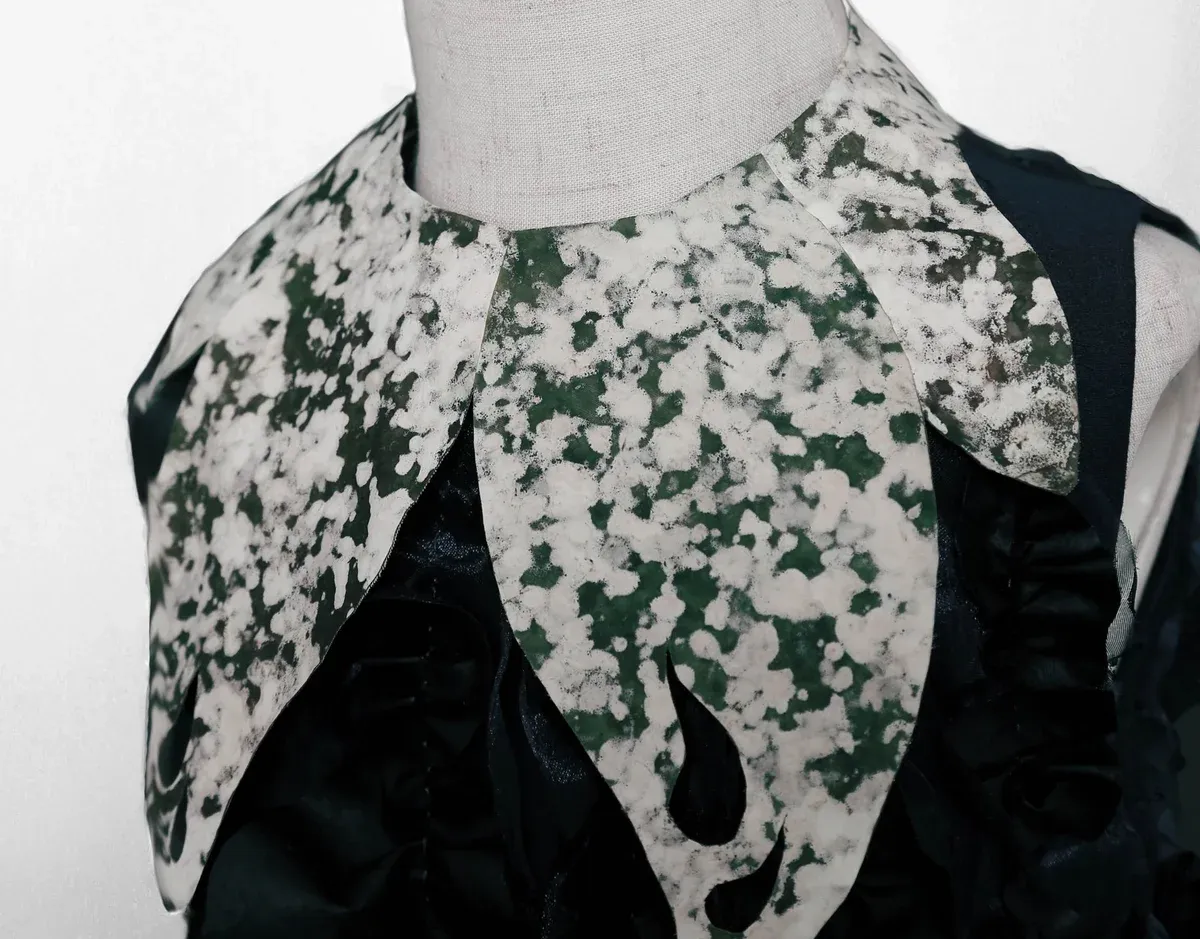
Researchers have developed a biodegradable textile that is alive and can host engineered microbes. The textile can change its color or add UV protection, creating new product pathways for materials companies and brands.
A new biodegradable textile is doing something the fashion industry rarely gets: it is alive, on purpose. Researchers say the fabric can host engineered microbes that can be programmed to change its color or add UV protection.
That detail matters because it flips the usual materials equation. Traditional textiles are mostly passive. They provide structure, warmth, and appearance, and any “function” is engineered into fibers during manufacturing. Here, the function can come from microbial activity hosted inside the textile itself, which means the material can potentially deliver effects that are not just mechanical, but chemical and biological.
From a decision-making standpoint, the interesting part is not just “biotech meets fashion.” It is the control scheme. If microbes can be engineered to alter color or increase UV protection, then the textile becomes closer to a programmable platform than a static product. For brands, that could translate into offerings where performance changes over time or based on environmental exposure. For manufacturers, it raises a different kind of challenge: how do you make microbial-hosting textiles consistent, stable, and scalable while keeping production practical and cost-contained?
Second-order implications show up immediately in product and quality governance. Color is one of the most scrutinized attributes in consumer goods, because it has to match expectations across batches, lighting conditions, and supply chains. If color changes depend on engineered microbes, companies will need protocols to ensure the timing, intensity, and uniformity of that change. UV protection is similarly sensitive because it links to performance claims. In ordinary textiles, UV protection can be measured and validated. In a living textile, the question becomes whether the microbial function is predictable under real-world wear, washing, and storage conditions.
Regulatory framing is another reason this is more than a clever science project. Textiles with added functional chemicals already operate in a world of safety assessments and labeling expectations, even when they are not “alive.” A living, microbe-hosting material adds complexity: regulators and compliance teams will want clarity on what is in the textile, how it behaves, and what happens during use and disposal. Biodegradability is a head start, but biodegradability does not automatically make a product “low risk.” For companies, that means the compliance pathway may hinge less on the concept of sustainability and more on the specifics of microbial engineering, containment, and end-of-life handling.
There is also a market dynamic to watch. Fashion and apparel have long cycles for product development and procurement. If this living textile moves from lab to production, it will likely land in high-velocity categories first, where small runs can be tested and brand differentiation is valuable, such as outdoor apparel, specialty workwear, or limited editions built around performance. Over time, if developers can demonstrate repeatable UV protection and controllable color behavior, the commercial case strengthens because performance benefits are easier to defend than pure novelty.
Boards and executives should also consider the IP and partnership angle. Microbe-hosting textiles blend materials science with bioengineering. That typically means companies cannot treat this as “just another fabric” sourced from a familiar supplier network. Instead, they may need new kinds of collaborations, with parties that can handle engineered microbes and the manufacturing steps that keep them viable and effective. The governance question is simple: who owns the risk if the biological component underperforms, changes unpredictably, or triggers new compliance scrutiny?
For peers watching from the sidelines, the core strategic stakes are clear. This approach suggests a future where textile functionality is not limited to dyes, finishes, and coatings. If researchers can reliably host engineered microbes in a biodegradable, living textile that can change color or add UV protection, materials companies and consumer brands may need to rethink their product pipelines. Not because every garment will become a living organism, but because the definition of “performance textile” just expanded.
This story's Key Insights and Take-aways are locked.
Create a free account to unlock Executive Actions for one credit.
Register to UnlockAlways free for Executives Club members. Join the Club
More in Science

Museums and archives chase greener preservation as fragile materials keep deteriorating
Why “protecting culture” is getting a sustainability upgrade, and what decision-makers must measure when it comes to risk and cost.
Jessica Metcalf’s stinky odor research could sharpen traps against flesh-eating New World screwworm
Colorado State University’s work uses wound odors to improve protection for livestock and wildlife from a deadly parasite.

Ephesus twins burial: one infant had an extra rib, changing how archaeologists read death rituals
A Byzantine-era double infant grave near the Temple of Artemis suggests both genetic anomaly and baptism-era burial decisions.