
Long-lost coral reefs off West Africa are back, and climate fears just got challenged
A rediscovery in the Gulf of Guinea is new evidence that coral ecosystems can rebound, even under stress.
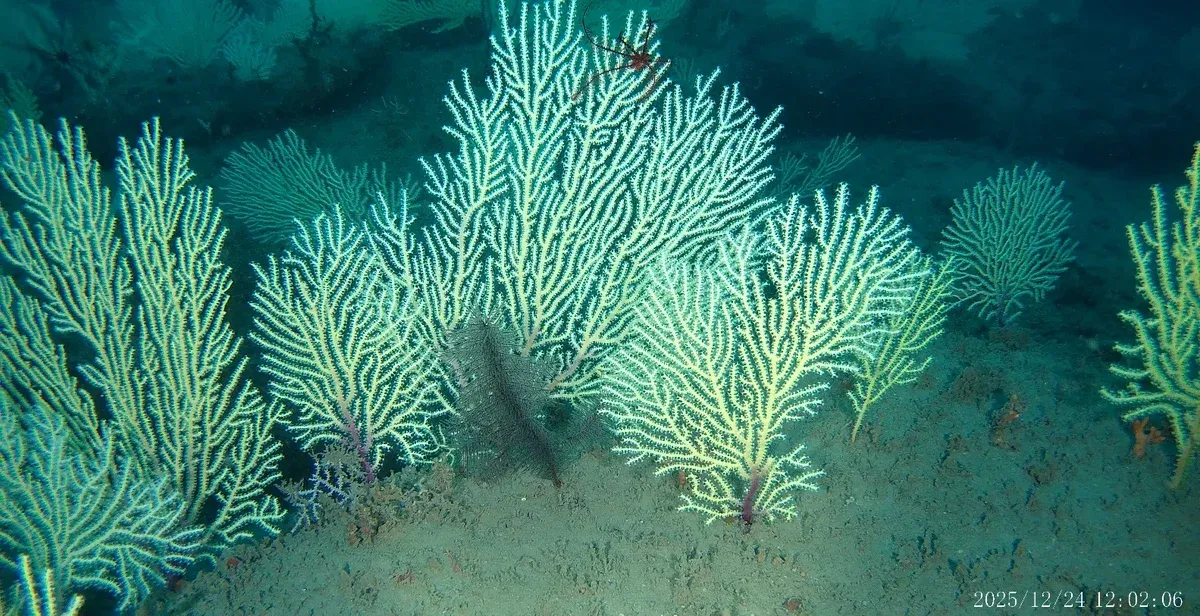
Scientific American reports that long-lost coral reefs have been rediscovered off the coast of Africa in the Gulf of Guinea. For decision-makers, the finding reshapes how boards and investors might frame climate risk and resilience in marine ecosystems.
The headline fact is simple and genuinely surprising: long-lost coral reefs off the coast of Africa have been rediscovered, according to Scientific American. The reefs are in the Gulf of Guinea, and the story is not just “nature is cool.” It is evidence about resilience. In a world where climate change often gets treated as a one-way loss curve, a rediscovery like this is a concrete reminder that some ecosystems can persist, recover, or at least survive longer than doom-and-gloom models assume.
What matters for executives is the implication embedded in the source’s framing: this marine ecosystem shows the resilience of coral reefs against climate change. That phrase is doing a lot of work. Coral reefs are frequently discussed as highly vulnerable to warming seas, shifting water chemistry, and the broader compounding stressors that come with climate change. If reefs can still be found where they were thought to be “lost,” then management questions become less about whether change happens, and more about where, how fast, and under what conditions ecosystems can hold.
Now zoom out one level, because this is where the business and policy worlds intersect. Coral reefs are not just biodiversity landmarks. They underpin coastal protection, fisheries, and tourism in many regions. When executives hear “climate risk,” they often translate it into financial risk through the assets and supply chains tied to coastal zones. A rediscovered reef ecosystem can shift that risk narrative by adding a new data point to resilience, not only vulnerability. That can matter for organizations planning for long time horizons, including insurers, infrastructure operators, and fund managers with climate-linked exposure.
There is also a governance and regulatory angle. Marine conservation and climate adaptation efforts increasingly operate through reporting frameworks and policy instruments that reward measurable outcomes: restoration progress, protected-area enforcement, and monitoring. When scientific reporting highlights resilience in a specific geography like the Gulf of Guinea, it supports the case that conservation budgets and regulatory protections can do more than slow decline. They can help preserve the conditions where ecosystems remain viable. That is not a guarantee, and it is not an excuse to relax standards. But it is a serious argument for regulators and boards that outcomes are possible and can be tracked.
For investors and corporate boards, the second-order question is how to treat uncertainty. Climate models can be directionally useful while still leaving gaps at local scale. Ecological systems often behave with a stubbornness that averages can miss. A “long-lost” reef rediscovery is essentially a reminder that field validation matters. It challenges the idea that every region follows the same timeline. That affects how leaders evaluate climate scenarios, especially for companies with footprint in coastal economies or for those funding resilience initiatives.
It also raises practical considerations for how ecosystems are monitored. If reefs can be rediscovered after being considered long-lost, then the historical baseline might have been limited by survey frequency, detection methods, or access constraints. For decision-makers, that means surveillance and data quality are not boring overhead. They can change what you believe about risk. Better monitoring can reveal persistence, identify hotspots of recovery, and guide where interventions are most likely to work.
The source’s focus on resilience against climate change carries another governance implication: it can influence how organizations set targets and metrics. If resilience is present, boards may press for strategies that preserve living reef structure and the ecological conditions that support it, rather than focusing exclusively on worst-case outcomes. In other words, the rediscovery can help shift internal debates from purely defensive posture to active stewardship and measurable adaptation.
Finally, this matters beyond the Gulf of Guinea because coral reefs are global infrastructure for life. If similar ecosystems elsewhere can also persist or be rediscovered, then the broader climate narrative becomes more nuanced. Executives at conservation groups, coastal developers, insurers, and climate-focused funds will want to ask how they incorporate local ecological evidence into policy positions, capital allocation, and reporting. Scientific American’s report is a prompt to treat resilience as real, observable, and location-specific, not as a slogan.
This story's Key Insights and Take-aways are locked.
Create a free account to unlock Executive Actions for one credit.
Register to UnlockAlways free for Executives Club members. Join the Club
More in Science
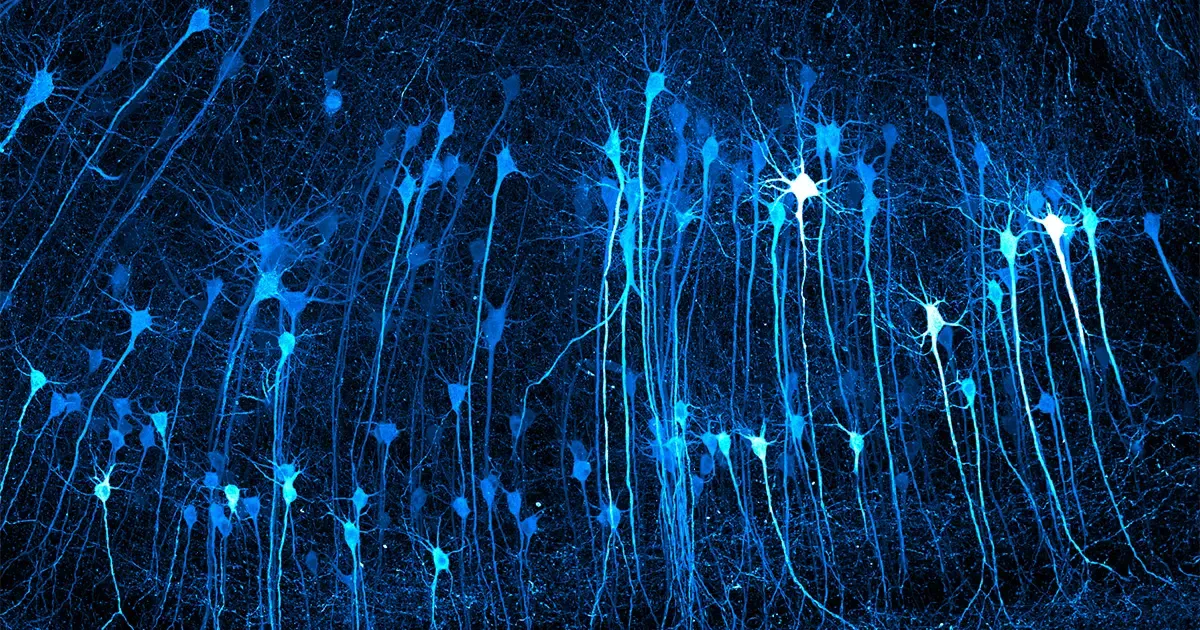
2026 Nikon Small World Winners Reveal the Hidden Machinery of Everyday Life
A mycologist's frozen Edinburgh garden became the backdrop for vivid views inside cells, a reminder of what advanced imaging now makes visible to researchers and the industries built on biology.

Study: 1 in 4 depression cases may be a body-clock problem, not a chemical one
A 10,000-person study finds standard antidepressants often fail these patients, but melatonin and morning sunlight may hit the real root cause.

Start-Up Says A.I. Designed a Virus to Attack One Patient's Superbug
If the claim holds up, personalized phage therapy could become a new frontline weapon against antibiotic resistance - but proof is far from final.