
Low ticket sales topple Womad Glasgow, leaving Scotland’s first global music playbook in tatters
Higher costs and thin demand kill one flagship event at Glasgow’s Womad, while some festival operators regroup for the next cycle.
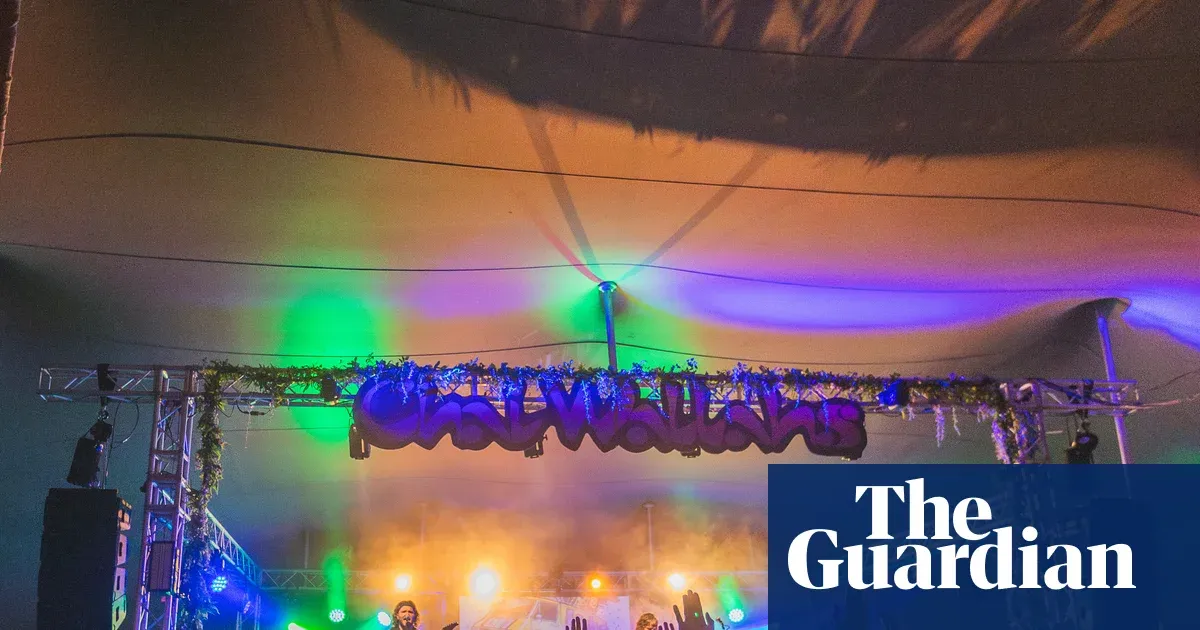
Womad Glasgow, Scotland’s first Womad festival at the centre of city-level music ambitions, was cancelled due to low ticket sales. The pullback cancels the plan’s promise for a new, global-scale event and forces festival backers to rethink risk, pricing, and budgets.
Glasgow’s pitch for becoming a “dynamic global hub for music lovers” hit a hard wall last week when the Womad festival was cancelled due to low ticket sales. It was not a small regional experiment either. Womad is internationally renowned and has been successfully staged in 30 countries since being co-founded by former Genesis frontman Peter Gabriel in 1982.
That cancellation is the clearest sign yet that even globally branded music events can fail when ticket demand does not cover rising costs. The Guardian reports plans for a new event at the Secret Garden Party site were dashed as well, alongside another blow, Womad Glasgow. In contrast, some other festivals remain optimistic, which tells you this is not a blanket collapse of the UK live music calendar. It is a sharper, more selective reckoning, where balance sheets are deciding what art can afford.
To understand why this hits decision-makers so directly, zoom out to how festivals get built. Most festivals rely on a tight chain: upfront programming commitments, venue and staffing costs, production spending, logistics, insurance, and then revenue that often depends heavily on ticket sales. If ticket sales lag, the gap does not quietly disappear. It turns into cashflow stress, and then into hard calls on whether to proceed, postpone, or cancel outright. In that world, “low ticket sales” is not just a marketing metric. It is an existential event variable.
Womad Glasgow had a credibility advantage on paper. The event celebrated performance from around the world and was designed to feel like a natural fit for Glasgow, described as Scotland’s gig capital. Cities that brand themselves as music hubs want anchor events that draw tourists, media attention, and repeat customers. They also want a proof point that a big global brand can take root locally.
But the source makes clear the local demand did not meet the expectation. With Womad successfully staged in 30 countries, the brand’s track record did not protect this specific outing. That matters for boards and operators because it challenges a comforting assumption: “If the name is famous enough, the tickets will follow.” In reality, even well-known formats can underperform if pricing, audience fit, and timing miss the market.
There is also a second-order effect that rarely shows up in the press. When a high-profile festival cancels, it often changes behavior across the ecosystem. Sponsors and partners get more cautious about tying budgets to future lineups. Vendors may demand different terms, and insurance and underwriting can become more expensive or restrictive based on prior outcomes. Even where the headline says “cancelled,” the financial story tends to keep unfolding after the decision as stakeholders adjust risk controls.
The Guardian’s report also flags that more than one planned event was dashed, including plans for a new event at the Secret Garden Party site. That signals a broader re-pricing of risk by operators, not just a single bad run of ticketing. When costs are higher, festival economics become less forgiving. You can have strong programming and still lose the math. And once the math breaks, the artistic upside does not matter to the party holding the liability.
At the same time, the article notes that some other festivals remain optimistic. That nuance is important. It suggests operators are not giving up, they are recalibrating. “Optimistic” in this context usually means a shift toward tighter cost control, faster go/no-go decisions, and more conservative revenue assumptions. It can also mean choosing markets and dates with proven demand, or structuring sales incentives to bring forward ticket purchases.
For leaders in adjacent roles, the strategic stake is straightforward. If you run a festival, a venue, a live events agency, or an entertainment-facing fund, Womad Glasgow’s cancellation due to low ticket sales is a reminder that scale does not immunize you from unit economics. If you are a city or regional economic development team backing music-led identity, it is also a caution about relying on global brand announcements without stress-testing local demand.
The bigger lesson is that this is a risk environment, not a momentum environment. Higher costs combined with thin ticket sales can quickly turn a celebrated event format into a sunk-cost problem. Womad’s global track record and Glasgow’s music-capital branding were not enough this time. Next cycle, the operators who survive will be the ones who translate “world-class lineups” into budgets that can actually withstand a rough ticketing curve.
This story's Key Insights and Take-aways are locked.
Create a free account to unlock Executive Actions for one credit.
Register to UnlockAlways free for Executives Club members. Join the Club
More in Entertainment

Disclosure Day opens to $44 million, but Spielberg’s first wide B since 2008 raises risk
A $19 million opening day from 3,824 locations puts Universal/Amblin on track, yet $115M budget and weaker-than-typical reception complicate profit math.

Naoki Hamaguchi says 95% stayed put, letting Final Fantasy VII Revelation ship in spring 2027
A rare fast turnaround in AAA, powered by retention, reshaping how executives think about schedule risk.

Anna Faris says anxiety eased after “Framed for Murder” fear as Scary Movie hits $55M
The actress opens up about anxiety and the box-office moment behind Scary Movie’s franchise-best opening weekend.