

Lucy Powell and Steve Reed say Labour MPs back Andy Burnham over a contest
The senior Labour view is that unity is already forming around Andy Burnham, not through a competitive leadership race.
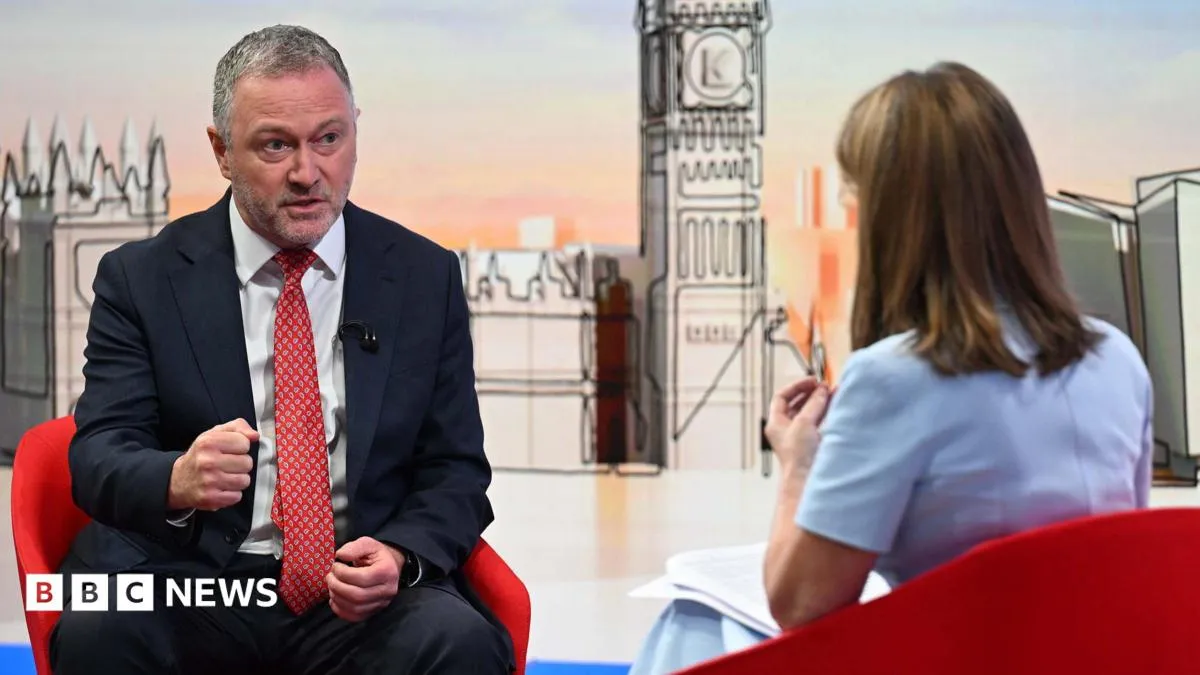
Lucy Powell and Steve Reed say Labour MPs are backing a coronation of Andy Burnham rather than a contest. For decision-makers watching party discipline, this signals a fast-moving internal political consolidation that can shape parliamentary and campaign dynamics.
Lucy Powell and Steve Reed say Labour MPs are backing a coronation of Andy Burnham rather than a contest. In other words, the senior figures are portraying the party not as a battleground, but as a team aligning behind a single choice.
That framing matters because it suggests the leadership question is less about who can win votes through campaigning and more about whether Labour MPs believe there is one clear end-state. If MPs are already coalescing, the remaining political energy shifts from “who gets the job” to “how do we manage the handoff to make it work.” That is a very different kind of contest, and it tends to move quickly because uncertainty is the enemy of unity.
To understand why this “united behind Burnham” message is consequential, you have to look at how party politics functions when leadership transitions are in play. In parliamentary systems, unity is not just about optics. It affects how MPs behave when whip counts get tight, how quickly committees and briefing lines lock in, and how reliably messages stay consistent during votes. When senior figures like Powell and Reed emphasize unity, they are also telling the wider party audience that internal friction is either already contained or being managed aggressively.
The source language is also revealing: Powell and Reed describe a “coronation” dynamic, with Labour MPs backing Burnham rather than supporting a “contest.” In practice, a contest forces supporters to spend time and capital on campaigning for delegates, persuading skeptics, and trading commitments. A coronation reduces that overhead, but it increases a different kind of pressure. If the party moves toward a single leader quickly, the new leadership inherits a bigger immediate expectation: deliver coherence, control, and momentum from day one.
There is a second-order implication for anyone used to boardroom politics, even if this is not a corporate context. When insiders signal that the organization is aligned, outsiders often adjust their strategy immediately. Potential challengers, faction leaders, and policy advocates tend to reconsider whether investing in a bid will pay off. That can reshape the internal “stakeholder map” in real time, because the actors who still have leverage may become those who can influence the transition details rather than the leadership outcome.
In that sense, the statement from Powell and Reed is not just about Burnham as a person. It is about the process. A contest is pluralistic. It produces winners and losers and often leaves behind a paper trail of grievances. A unified front, by contrast, can produce stronger short-term discipline but also raises the risk of a backlash if parts of the party feel sidelined. The key question for MPs and political operators is whether unity is genuinely consensus-based or merely temporarily enforced.
For decision-makers, especially those thinking in terms of communications, coalition-building, and timing, this is the operational pivot point. Leadership transitions are moments when messages get rewritten. If MPs believe the outcome is already settled, the party’s strategic focus typically shifts to how a leader frames policy priorities, how quickly shadow teams align, and how readiness is signaled to voters and institutional audiences.
And that brings us to the stakes. When Powell and Reed say Labour MPs are backing Burnham rather than a contest, they are effectively telling the party ecosystem that the internal clock is ticking toward consolidation. For political peers, campaign planners, and anyone whose work depends on the predictability of parliamentary behavior, “unity behind a leader” is a force multiplier. It can streamline coordination. It can also compress timelines for negotiations on roles and priorities, because once a coronation narrative takes hold, the party often treats delay as a reputational cost.
This story's Key Insights and Take-aways are locked.
Create a free account to unlock Executive Actions for one credit.
Register to UnlockAlways free for Executives Club members. Join the Club
More in Politics
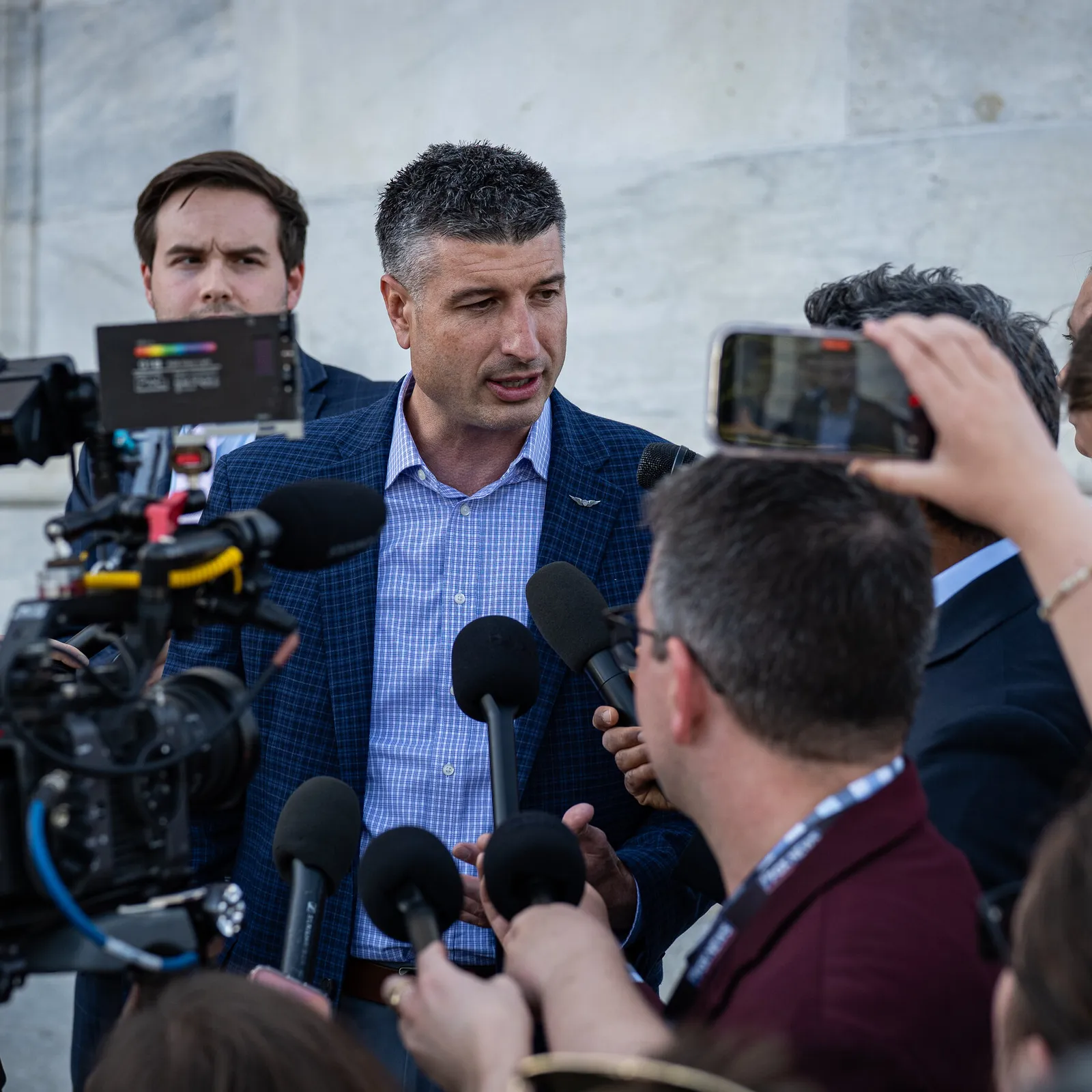
House again forces Iran war powers vote after Republicans join Democrats a second time
Second rebuke repeats the same pattern: a cross-party bloc demands authorization, raising new friction for the president.
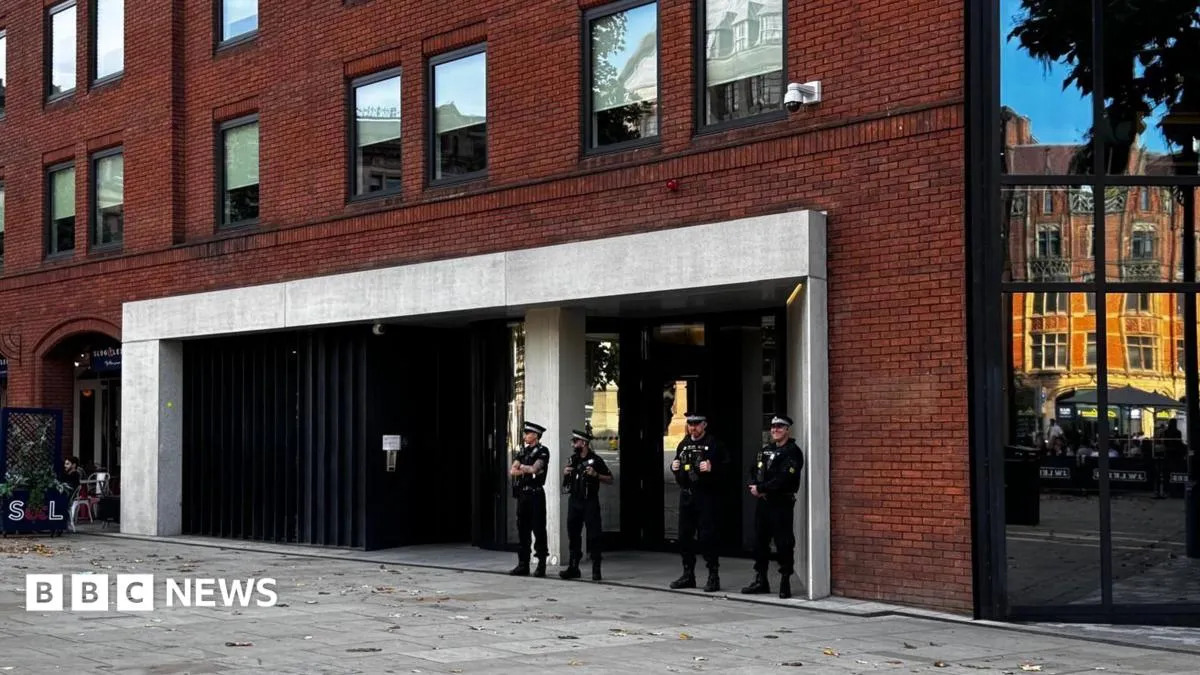
No 10 North blueprint targets up to 300 staff in 18 months
A think tank plan sketches a sizable No 10 workforce timeline, forcing ministers to confront staffing, cost, and control fast.

Burnham backs 20% cut to English pub business rates, not hotels or restaurants
From next April, some hospitality firms get a discount but hotels and restaurants are left out of the 20% break.