

Mahershala Ali confirms Marvel’s Blade reboot is dead, after years of momentum
The Oscar winner says the vampire-hunter project is no longer going forward, ending a long, high-profile casting plan.
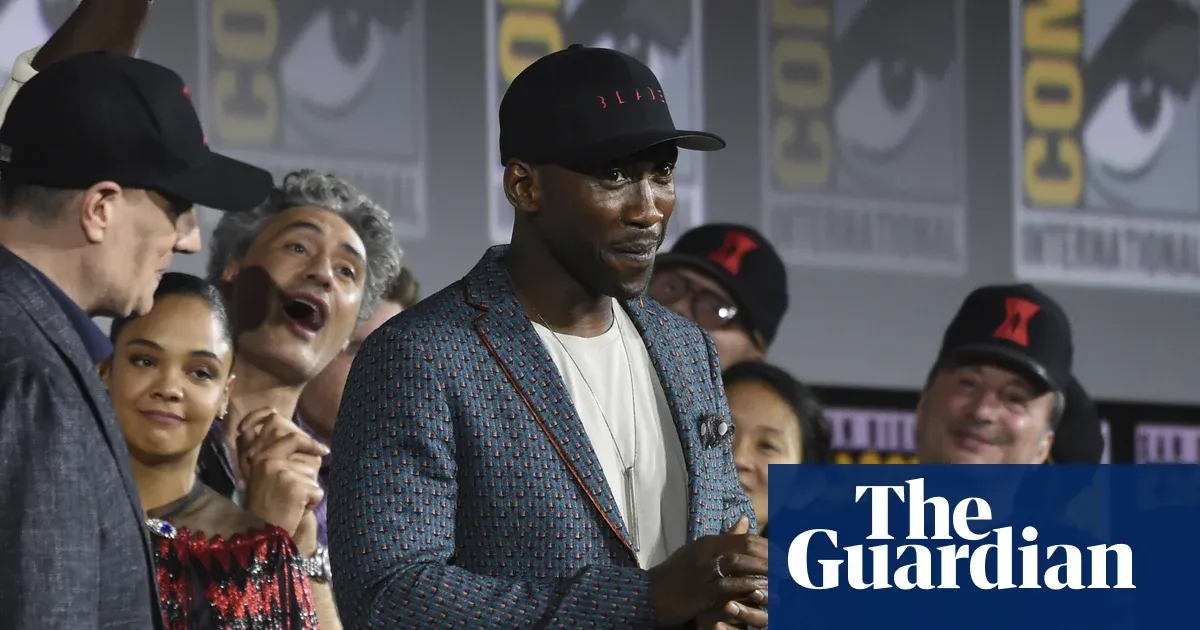
Mahershala Ali, a two-time Oscar winner, has confirmed that Marvel’s Blade reboot is no longer going forward. For executives, this is a reminder that even star-attached tentpoles can collapse, reshaping studio planning, IP timelines, and franchise capital allocation.
Mahershala Ali has confirmed that his Blade reboot is no longer going forward. The two-time Oscar winner, known for Moonlight and Green Book, had been attached to play Marvel’s vampire-hunting antihero, a role tied to the property’s entire brand identity. This matters because Blade is not just another character. It is a franchise concept with built-in audience expectations, a specific genre tone, and a long shadow cast by the original run.
Ali’s confirmation closes the loop on a plan that had been in motion since 2019. He was attached in 2019 to take on the role of Marvel’s vampire-hunting antihero, and that setup ultimately did not survive into production. The role itself has history: Wesley Snipes played Blade in three films between 1998 and 2004. When a project with that kind of legacy stalls, it does not simply “pause.” It forces everyone involved, from studio planners to talent and licensing stakeholders, to rework timelines and risk assumptions.
So why do star-attached projects still collapse? In Hollywood, the headline is often about casting, but the mechanics are usually about execution constraints: scheduling realities, creative alignment, and the pipeline math of what studios prioritize in each development cycle. Even when a high-profile actor is attached, a reboot has to clear a moving stack of gates, and any one of them can tip the whole thing. The news here is not that Ali was ever “the wrong choice.” It is that the project itself is no longer going forward, meaning the bottleneck sat somewhere deeper than the actor’s availability.
There is also the second-order effect that decision-makers tend to feel first: opportunity cost. Blade is part of a broader Marvel ecosystem. When a reboot like this dies, it does not just remove one movie from a calendar. It changes what planning teams can credibly defend internally and externally, including how they sequence related IP, how they pace announcements, and how they manage expectations among talent, partners, and audiences. Studio communications may keep it simple, but the operational impact is rarely simple.
Development commitments can also turn into a reputational and governance challenge for leadership. Boards and executives are typically judged on pipeline quality as much as box office outcomes. A reboot dying after a visible casting attachment can raise awkward questions about internal controls: were there clear go/no-go milestones, were risks escalated early, and did leadership have an escape plan if the project hit a structural problem? The source does not detail why the Blade reboot collapsed, but the consequence is clear. Confirmation from the actor attached to the role signals the project has crossed the point where it was worth keeping alive in public, even if quietly shelved.
Then there is the brand inheritance angle. Blade’s identity is partially carried by Wesley Snipes’ three-film run between 1998 and 2004. That original trilogy is not just nostalgia. It is a benchmark for tone, audience expectations, and how the character sits in the wider vampire-action genre. When Marvel moves toward a reboot, it has to decide whether it is trying to recreate the original experience, evolve it, or pivot it into a new lane. A project can die because the intended path no longer fits the studio’s current strategy or creative direction.
For peers running similar roles, the strategic stake is straightforward. If you are an executive overseeing IP franchises, a talent manager handling high-profile attachments, or an operator in development, this is a caution against treating attachment as assurance. Casting is momentum, but it is not a production guarantee. The Blade reboot being confirmed as no longer going forward shows how quickly “built” plans can become “unmade” outcomes, even with recognized prestige attached and a well-known legacy behind the character.
The practical takeaway is to manage development like a portfolio, not a promise. Attachments can add credibility and signal intent, but the project still has to clear the final hurdles before it can earn that credibility in the market. In this case, Mahershala Ali’s confirmation is the evidence that the market-facing version of Blade is no longer happening. For decision-makers, that is not trivia. It is a real timing and capital reallocation problem that affects how the next slate is justified and how future announcements are calibrated.
This story's Key Insights and Take-aways are locked.
Create a free account to unlock Executive Actions for one credit.
Register to UnlockAlways free for Executives Club members. Join the Club
More in Entertainment
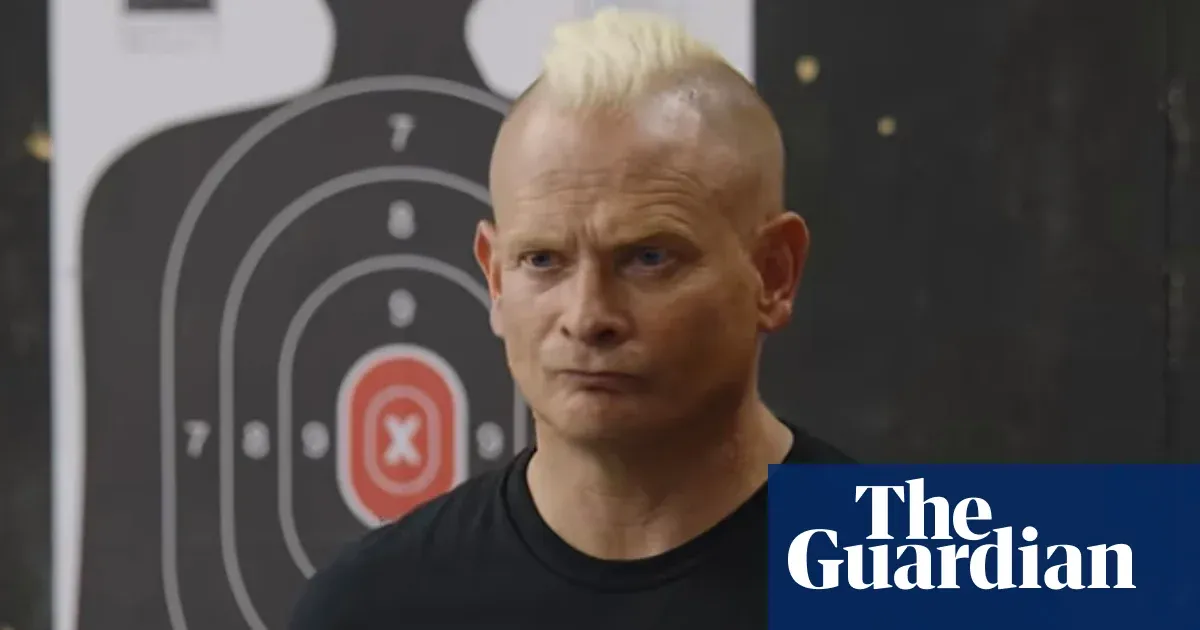
Ali G's 'stooge' says he was in on joke, outplayed Sacha Baron Cohen
A 54-year-old aspiring actor says he recognized Sacha Baron Cohen mid-shoot, kept his MAGA act up, and let the film-makers think they had fooled him.

Entertainer Russell Brand denies 7 sex charges amid accuser's 'couldn't breathe' claim
The alleged victim's account sharpens the reputational and legal stakes for Brand, his platforms, and any business tied to a public figure under criminal scrutiny.

Russell Brand's accuser 'bewildered and confused' as he denies 7 sex charges
The criminal case against the comedian is a live test of how media companies manage talent risk when serious allegations go public.