
Manchester City pick Enzo Maresca as Guardiola’s successor. What fans should expect next
A board-level decision explains the style shift, the culture risk, and why the club backed an Italian coach to lead the rebuild.

Pep Guardiola has moved on, and Manchester City has chosen Enzo Maresca as his successor. For decision-makers, the hiring signals City’s priorities for continuity, evolution, and performance under new leadership.
Pep Guardiola is stepping aside, and Manchester City are handing the keys to Enzo Maresca. The big question for City fans is not just who is in the dugout, but why the club landed on an Italian coach as Guardiola's successor at all, and what that decision implies for the team they are about to see.
From the club’s perspective, the “why Maresca?” moment matters because Guardiola is not a plug-and-play vacancy. He represents a specific football logic, built over years: how City control games, how players interpret space, and how tactics change without breaking identity. When City appoint a successor, they are effectively making a bet on what parts of Guardiola’s system should be preserved and what parts can be re-authored. Maresca is the name Manchester City have chosen to carry that burden forward, and the selection itself tells you the club believes they can maintain momentum without keeping every decision exactly the same.
To understand the stakes, remember how elite football organizations work like high-performance systems, not just teams. City are a brand with an infrastructure. Their sporting operations are built to recruit and develop players that fit a particular level of technical and tactical demand. That means a managerial transition is a governance event, not a vibe change. A new coach has to translate the club’s expectations into daily training, match preparation, and in-game adjustments. If the transition goes wrong, the damage shows up quickly: confusion, inconsistent performances, and a disconnect between players and instructions.
This is where incentives start to look more like corporate strategy than sports theater. City’s board and leadership are accountable for outcomes measured in results, not in “good process.” At the same time, they need stability because the club’s model depends on continuity of standards, even when the tactical emphasis evolves. Choosing Maresca suggests City believe he can command that balance. They are essentially selecting a manager who can run a modern, high-intensity system while still fitting into the club’s longer-term architecture.
There is also a regulatory and governance layer that sits quietly underneath all of this. Football has rules that shape roster construction and squad usage, and it pushes clubs toward planning horizons rather than short-term experiments. That planning typically influences who gets hired. When an organization has ongoing constraints, the board looks for a coach who can operate effectively within them, maximizing available talent and minimizing disruption. The “successor” label also comes with scrutiny, because a replacement is judged not only on wins but on whether the transition protects the club’s ability to perform year after year.
So what should fans expect? The question is less “will City play exactly like they did under Guardiola” and more “what will remain constant, and what will be redesigned.” Guardiola’s style is often associated with positional control and relentless tactical refinement. A successor can preserve the underlying identity while changing the patterns: pressing triggers, spacing cues, how fullbacks and midfielders coordinate, and how substitutions alter the game plan. The hiring of Enzo Maresca indicates City are willing to evolve rather than freeze. That is a calculated risk, because evolution can be mistaken for drift. But if the appointment is correct, it should feel like a continuation of the club’s standards, not a reset button.
For peers in the business of elite performance, this is a case study in successor selection under pressure. City are transferring leadership from one of football’s most influential modern managers to someone new, and the organization is choosing a successor in a way that tries to keep the system coherent. Boards and executives in any high-expectation environment face the same challenge: protect what works, update what needs updating, and do it on a timeline that does not tolerate experimentation for its own sake. If Manchester City have made the bet on Maresca, it is because they believe the club can keep winning while letting a new manager imprint his own approach.
In short, Guardiola passing the baton to Enzo Maresca is not just a storyline for matchday. It is a strategic decision about continuity, execution, and how a top club manages the second-order effects of leadership change. Fans will soon see whether Maresca can align the players, maintain the identity, and deliver results in a way that honors what Guardiola built while setting the next era in motion.
This story's Key Insights and Take-aways are locked.
Create a free account to unlock Executive Actions for one credit.
Register to UnlockAlways free for Executives Club members. Join the Club
More in Entertainment
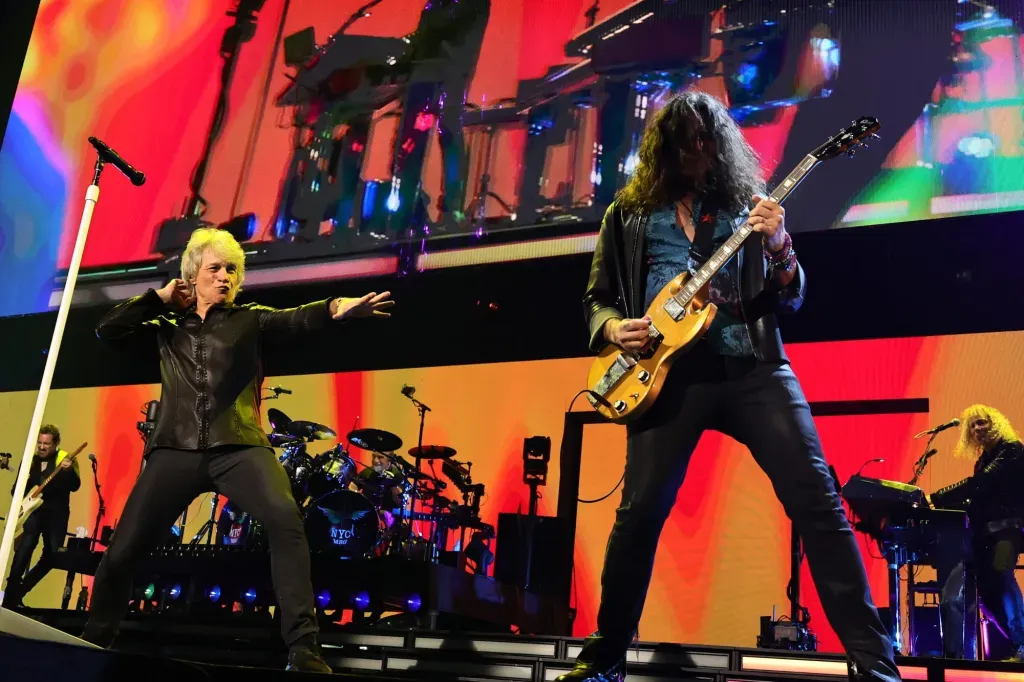
Jon Bon Jovi cut his Madison Square Garden set short Thursday, after battling a sinus infection
A 90-minute show at MSG ended early, with rescheduling promised, as the Forever Tour continues after vocal-cord surgery.
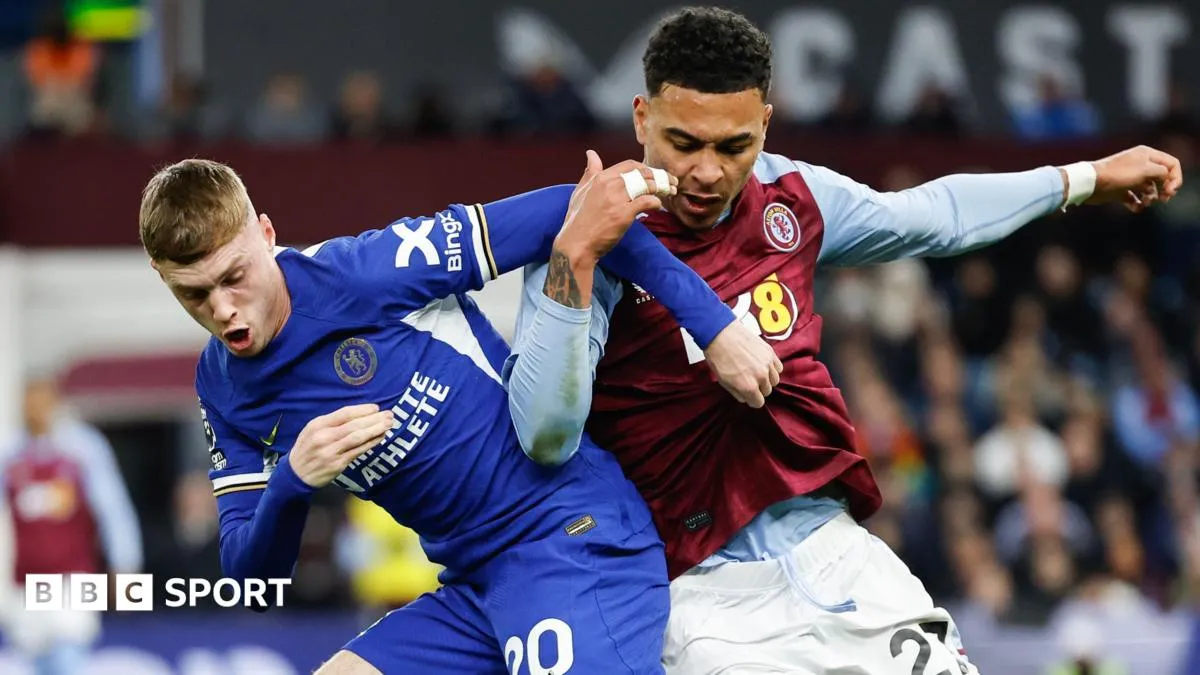
Rogers and Palmer fit Xabi Alonso's Chelsea attack perfectly, and the reasons are specific
Morgan Rogers' skill set complements Cole Palmer in Xabi Alonso's Chelsea, reshaping how they create chances together.

Noah Kahan pretends Congress calls to order diaper-wearing at concerts in DC stop
The stunt mixes absurd “regulatory” theater with real lessons about public trust and fan safety optics.