
Marc Isaacs’ “Synthetic Sincerity” uses real faces, but never shows how they were made
The Guardian review says Isaacs builds a fact-fiction AI docudrama that toys with identity while dodging key process transparency.
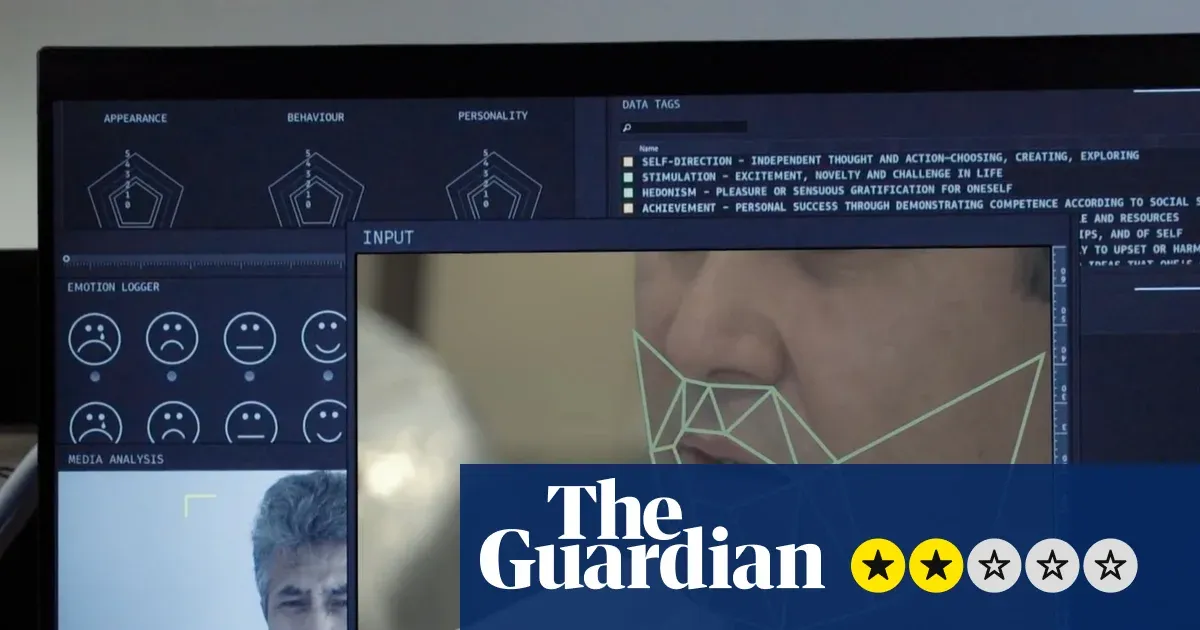
Marc Isaacs’ new film “Synthetic Sincerity” sets a fictional AI research lab at the fictional University of Southern England, where software is “trained” to create AI human figures using characters from his prior documentaries. For decision-makers tracking AI governance, the film is a preview of a bigger governance problem: when model training relies on human likeness, the missing “how” is the story.
Marc Isaacs’ “Synthetic Sincerity” is billed as a self-aware AI interrogation. But The Guardian’s review’s central complaint lands fast: the film borrows vivid characters from Isaacs’ previous acclaimed documentaries, then pretends this is enough to make the training questions feel real. Even the setup is a hybrid: a docudrama that is itself “exasperatingly artificial,” according to the review, stitched from fact and fiction but lacking the depth the subject needs.
Here is the specific gap the review points to. Isaacs’ fictional lab, called Synthetic Sincerity at the fictional University of Southern England, is where “software can be 'trained' in the creation of AI human figures on screen.” The lab staff are played by actors, including Lebanese independent film-maker Lynn El Safah. The film includes scripted conversations between Isaacs’ project and an on-screen AI avatar, with a face digitally modelled on Romanian actor Ilinca Manolache, from Radu Jude’s Do Not Expect Too Much from the End of the World. The review says the movie does not show the process by which Manolache was approached and how her face was transformed into an AI figure.
That omission matters, because the whole concept of AI training on human likeness lives or dies on process transparency. In the film, the “training” is presented as an on-screen creation workflow, but the review argues the workflow’s real-world analogue is not actually examined. For executives who spend their time on risk, this is the difference between discussing outcomes and auditing inputs. Boards and compliance teams are increasingly asked to explain what data was used, where it came from, and what permissions or licenses cover. The film, as described, gestures at these issues while refusing to show the step that would make them legible.
This is also where incentives start to misalign. Isaacs is, or rather pretends to be, licensing characters from his earlier documentaries. That implies there is an expected story about rights, consent, and permissions. But the review highlights that the audience never sees how the key transformation happened for Manolache, which is exactly the type of missing artifact that regulators and plaintiffs tend to care about: the concrete trail from person to dataset to model output. In real life, that trail is often fragmented across vendors, studios, and contractors, and it becomes harder to reconstruct when projects move quickly from concept to deployment.
There is a regulatory dimension even if the film is not a compliance memo. Any system that turns a person’s face into an “AI human figure” raises questions around likeness rights, consent boundaries, and recordkeeping. Even when a company believes it has licensed something, the governance question does not go away. Who authorized the use? What exactly was authorized? Was it for the purpose claimed, in the medium claimed, and for the time claimed? The review’s specific complaint is that “the film, however, does not show the process” of approach and face transformation. Translating that into board-level language: when the process is missing, your confidence becomes narrative rather than evidence.
Second-order, this kind of storytelling can train audiences to accept ambiguity where they should expect auditability. The film is described as a “self-aware docudrama hybrid,” and it even includes amusing scripted conversations with a disapproving AI avatar on screen, “like Max Headroom of old.” That self-awareness can feel like accountability theatre if it does not also reveal the operational steps behind the curtain. In AI governance, the operational steps are where risk concentrates: data procurement, preprocessing, anonymization decisions, and the documentation that proves the decisions were made.
For executives building or deploying generative systems, the strategic stake is simple. You can talk about intent, you can dress the project in narrative, and you can even reference licensing. But if the critical process is not shown, it becomes easier for stakeholders to assume the worst, and harder for your internal controls to defend themselves. The Guardian review portrays “Synthetic Sincerity” as semi-sincere, curious, and intriguing, yet shallow and exasperatingly artificial. It is a creative work, not a policy report. Still, it inadvertently spotlights a real lesson: identity and existence are not just themes. They are governance obligations, and the missing steps are where trust is built or broken.
This story's Key Insights and Take-aways are locked.
Create a free account to unlock Executive Actions for one credit.
Register to UnlockAlways free for Executives Club members. Join the Club
More in Entertainment

12TB Steam 'teraleak' goes beyond Valve: GTA 3, Mafia 2 prototypes exposed
A 12-terabyte dump of Steam data reveals prototypes and builds of third-party classics like GTA 3 and Mafia 2, plus unreleased Valve content, rewriting game history.

LinkedIn's romance problem: 1 in 4 workers say dating on it is fair game
A new survey shows a quarter of U.S. employees treat the professional network as fair game for romance, even as LinkedIn bans it and removes hundreds of thousands of offending posts.

Enhypen's first No. 1 album breaks K-pop's Billboard 200 streak
The K-pop group's 98,000-unit debut tops the chart while Dolly Parton's catalog reentry shows how death reshapes streaming.