

Masters of the Universe sets up a sequel question in its post-credits scene
Travis Knight's surprise hit revives a 44-year-old Mattel brand, and the post-credits scene shifts the real question to whether the franchise can convert one win into a longer run.
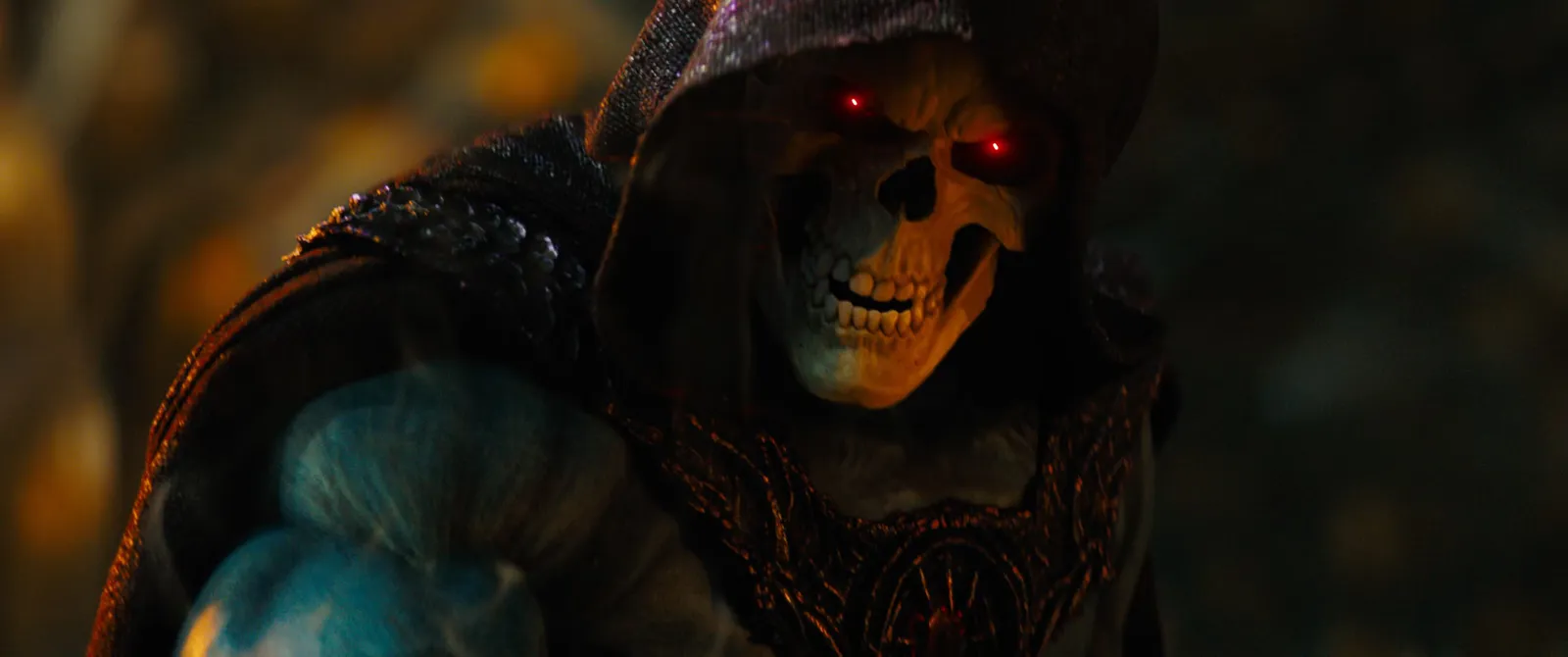
Director Travis Knight's Masters of the Universe has arrived, and Polygon reports that the film, based on Mattel's 44-year-old toyline, is being greeted as a genuinely strong summer blockbuster. The immediate consequence for decision-makers is that a property many may have filed away as nostalgia now has renewed franchise value, with the post-credits scene putting sequel expectations back on the table.
Masters of the Universe has arrived, and the part that should make executives pay attention is not just that the movie exists, but that it landed as more than a nostalgia exercise. Polygon says the new film based on Mattel's 44-year-old toyline is actually pretty great, and director Travis Knight's summer blockbuster is being described as a blend of heartfelt storytelling, epic sci-fi action, and stunning visuals, both practical and computer-generated. That matters because the movie is not merely reintroducing He-Man, played by Nicholas Galitzine, to the big screen for the first time since the '80s. It is also reopening a question that always follows a studio or brand revival when the surprise is positive: is this a one-off, or the start of something bigger?
The sequel question is now the real business story. Polygon frames the central issue plainly: Will we get a Masters of the Universe 2, and what does the post-credits scene reveal about the future of the franchise? In other words, the credits do not just end the movie, they function like a strategic breadcrumb. For a toyline that is 44 years old, that is a meaningful shift. Legacy brands live on repeated relevance, not just name recognition, and a post-credits scene is one of the clearest signals a film is thinking beyond opening weekend. The article does not say a sequel is confirmed, and that distinction matters. But it does say the scene exists, and that automatically turns the conversation from whether this property can come back at all into how far the revival can be pushed.
That is why the Travis Knight piece of this matters too. A franchise resuscitation can easily become a cynical branding exercise, especially when the source material is as familiar as Masters of the Universe. Instead, Polygon describes Knight's film as a credible piece of entertainment, not just a corporate checkbox. The combination of heartfelt storytelling and big sci-fi spectacle is the kind of formula that can expand an audience beyond people already carrying childhood affection for He-Man. For business-minded readers, that matters because broadening the audience is what turns a recognizable IP into a platform. A brand that only plays to nostalgia has limited upside. A brand that can attract both old fans and new ones is the one that gets sequel conversations, spinoff conversations, and, eventually, more leverage across media.
The post-credits scene is where those ambitions usually get tested. By design, those scenes are short, but they carry a lot of weight because they tell audiences whether the filmmakers and rights holders are thinking in episodes rather than isolated events. Polygon's setup suggests the scene is meant to say something about the future of the franchise, even if the story itself is not yet public in the excerpt provided. That alone is enough to make the sequel question part of the reading. For companies watching entertainment IP, the lesson is straightforward: a movie can perform creative rehabilitation on an old brand, but the real value shows up when the creative and commercial teams can point to a sequel path without making the first film feel like a sales pitch for the next one.
There is also a timing angle here. Masters of the Universe is landing in a marketplace where recognizable IP continues to carry outsize weight because audiences already know the characters, the iconography, and the basic promise. But familiarity does not guarantee enthusiasm. It only lowers the entry barrier. What Polygon is signaling is that this version may have earned attention on its own terms, which is exactly what a revival needs if it is going to last longer than one weekend of curiosity. Nicholas Galitzine's He-Man, the use of both practical and computer-generated visuals, and Knight's emphasis on heart as well as action all point to a film trying to build emotional and visual credibility at once. That is the kind of combination studios and brands chase when they want a property to travel beyond its initial fanbase.
For executives, investors, and studio leaders, the strategic takeaway is not that one movie has solved the franchise problem. It is that the first signal is promising enough to make the sequel question worth asking seriously. A 44-year-old toyline does not usually re-enter the cultural conversation with this much momentum unless something is working. The post-credits scene now serves as an implied vote of confidence in the idea that Masters of the Universe could continue, and that makes the property more than a nostalgic relic. Whether or not Masters of the Universe 2 happens, the fact that people are even asking is the point. For peers managing dormant IP, that is the playbook: revive with enough craft that the audience wants more, then use the ending to leave the door open without slamming it shut.
This story's Key Insights and Take-aways are locked.
Create a free account to unlock Executive Actions for one credit.
Register to UnlockAlways free for Executives Club members. Join the Club
More in Entertainment

Christopher Nolan’s “The Odyssey” posts his biggest Tuesday haul, surpassing “The Dark Knight’s” record
The film’s Tuesday breakout reframes Nolan’s box-office ceiling and forces competitors to rethink timing, budgets, and release strategy.

Kacey Musgraves cancels Aug. 20, 29, Sept. 2 Middle of Nowhere shows
Ticketmaster emails are telling fans refunds are coming, while the tour still starts Aug. 21 in Chicago.

Billie Joe Armstrong launches Epiphone Les Paul Junior and Marshall 1959BJA signature gear
Two limited releases turn decades of Green Day’s tone into branded hardware, including Marshall’s first artist amp in 14 years.