

Matthew Mercer joins Final Fantasy VII: Revelation, ending the remake trilogy in 2027
Square Enix confirms the third installment, Spring 2027 release window, and Mercer as a new voice cast member.
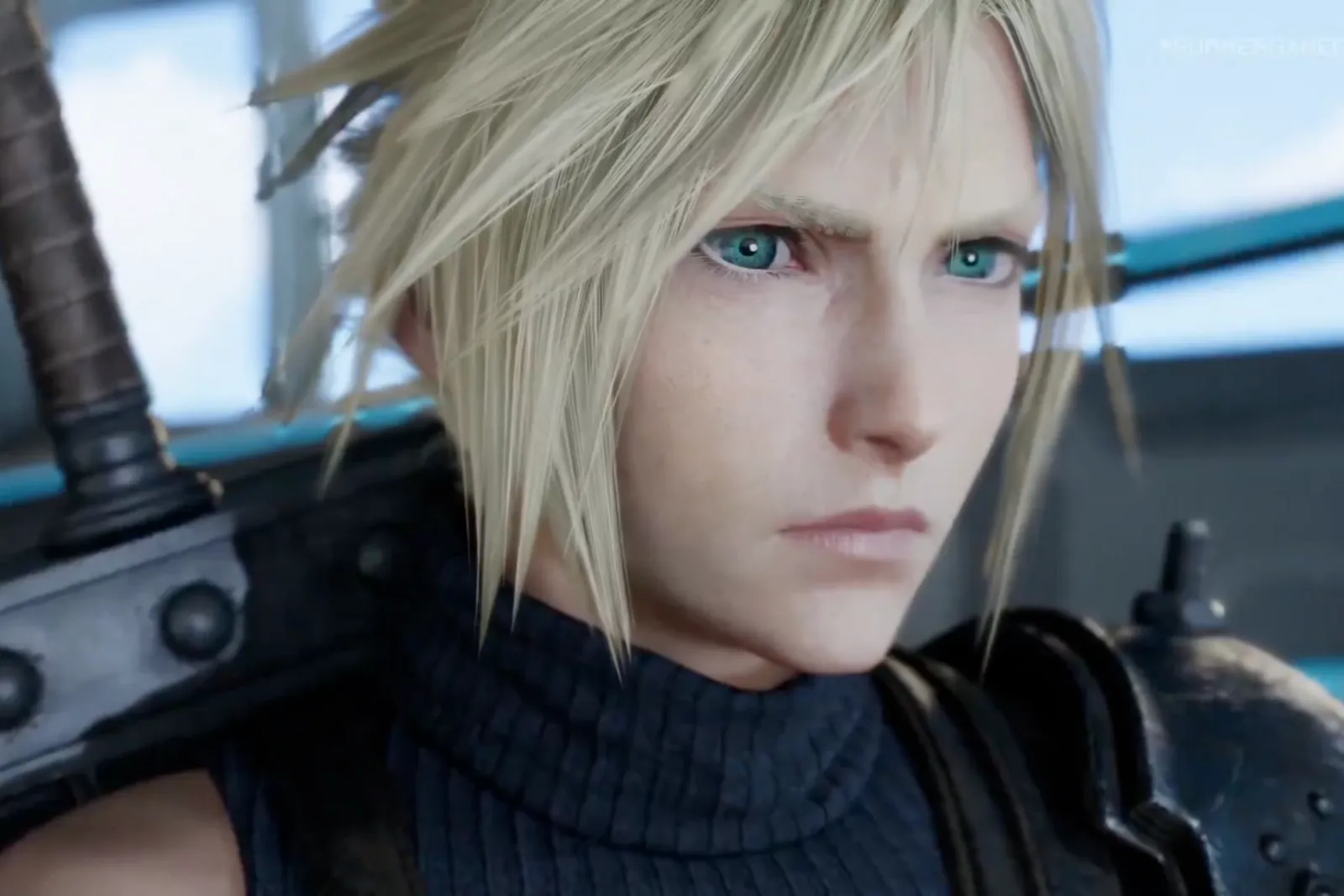
Square Enix has revealed Final Fantasy VII: Revelation as the third and final title in its Final Fantasy VII remake trilogy. The upcoming game is slated for Spring 2027, and Matthew Mercer is joining the voice cast.
Square Enix just confirmed the last stop on its Final Fantasy VII remake trilogy: Final Fantasy VII: Revelation, set to land in Spring 2027. And it is not just a release date bookmark. Variety reports that Critical Role star Matthew Mercer is joining the voice cast for the upcoming game.
That pairing matters because it signals two things at once. First, the trilogy now has a clearly defined endpoint, which is rare in games that can sprawl for years. Second, Square Enix is using recognizable voice talent to help turn anticipation into commitment, especially as the franchise story cycle reaches its conclusion. Mercer joining the cast is a headline-grabber on its own, but the deeper point is that the publisher is trying to stabilize audience attention as the trilogy transitions from “remake momentum” to “final chapter expectations.”
To understand why executives should care, zoom out to how these multi-year IP bets tend to behave. Remake trilogies are expensive, coordination-heavy undertakings. They require sustained production focus across story, systems, and marketing, while also managing player expectations that only grow sharper with each installment. Declaring a “third and final title” changes internal and external planning. It lets teams plan the finish line, align budgets around closure, and reduce the risk of being forced into stop-and-go reinvention late in the cycle.
There is also a talent and audience dynamics layer here. Voice casting in high-profile JRPGs does more than fill character roles; it adds recognizable credibility and helps international marketing. Matthew Mercer, known for Critical Role, brings a built-in audience and a specific vocal brand that many players actively seek out. For a company, that is a lever: strong casting can improve trailer impact, lift word-of-mouth, and make it easier for retailers, streaming platforms, and community channels to decide that the next trailer is worth their spotlight.
Even though this is entertainment, the “trilogy endpoint” framing has a finance-adjacent logic. When a publisher commits to a final entry, it can reduce ambiguity that often turns into delayed spending or cautious forecasting. Boards and investors do not just ask “will the next game be good?” They ask how long the program runs, how much more capital is required, and what the delivery cadence looks like. Variety’s report that Revelation is the “third and final” title helps narrow the projection horizon. That is the kind of clarity that can matter when leadership teams are balancing multiple concurrent development lines.
There is also a distribution and regulatory backdrop that often sits behind the scenes of release windows, even when the source does not spell it out. Game releases in major markets routinely trigger ratings and localization workflows. A Spring 2027 target means Square Enix will need to coordinate content readiness with rating submissions and language localization timelines. When a project is positioned as the trilogy finale, there is less room for meaningful last-minute changes that could ripple through approvals. In practice, that pressure can sharpen production discipline, because anything that risks slipping the window becomes more visible than it would be for a mid-series release.
And then there is the strategic implication for other executives watching the category. Final Fantasy VII is one of the biggest nameplates in gaming, and remake strategies have become a template other publishers evaluate. If Square Enix can run a clear three-part arc, with a defined finale and a major voice talent addition, it reinforces a playbook: keep the story roadmap stable, invest in audience confidence, and use high-signal casting to convert interest into sustained engagement. If it gets messy, everyone learns the opposite lesson, fast.
For leadership teams at peers, the question is not whether Revelation will be “good.” It is whether Square Enix’s approach to certainty can withstand the real-world pressures of a long production cycle. The stakes are straightforward: missing a release window for a finale can amplify disappointment, force costly rework, or dilute marketing effectiveness at the exact moment audience attention is most intense. With Spring 2027 confirmed and Matthew Mercer joining the voice cast, Square Enix is clearly trying to turn the end of the trilogy into a controlled crescendo, not a drifting countdown.
This story's Key Insights and Take-aways are locked.
Create a free account to unlock Executive Actions for one credit.
Register to UnlockAlways free for Executives Club members. Join the Club
More in Entertainment

Christopher Nolan’s “The Odyssey” posts his biggest Tuesday haul, surpassing “The Dark Knight’s” record
The film’s Tuesday breakout reframes Nolan’s box-office ceiling and forces competitors to rethink timing, budgets, and release strategy.

Kacey Musgraves cancels Aug. 20, 29, Sept. 2 Middle of Nowhere shows
Ticketmaster emails are telling fans refunds are coming, while the tour still starts Aug. 21 in Chicago.

Billie Joe Armstrong launches Epiphone Les Paul Junior and Marshall 1959BJA signature gear
Two limited releases turn decades of Green Day’s tone into branded hardware, including Marshall’s first artist amp in 14 years.