
Melissa Auf der Maur ends a 16-year silence with “BASS WOMB ROOM” on Sept. 4
A Montreal artist and veteran of Hole and Smashing Pumpkins finally returns, and the details point to a curated deep-dive.
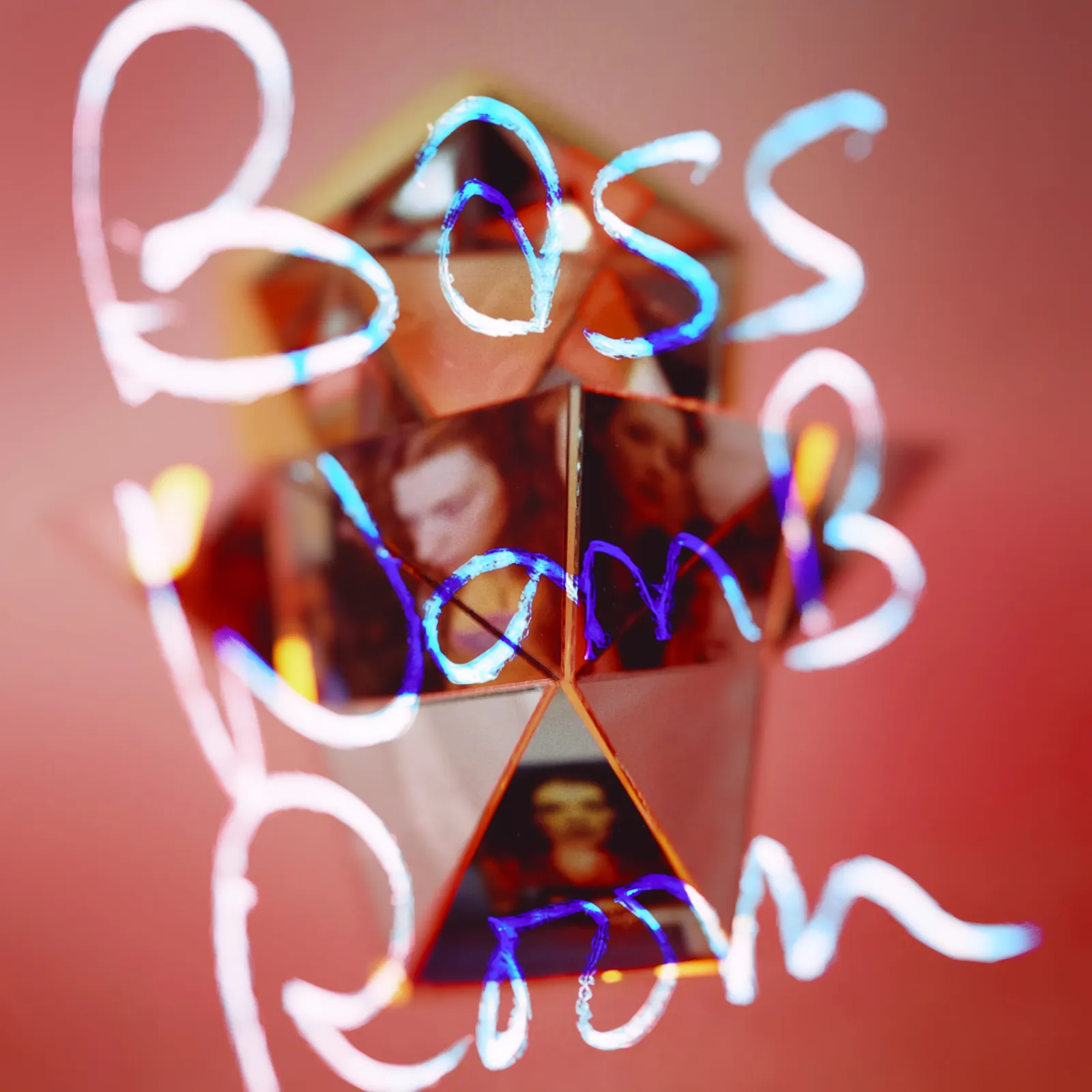
Melissa Auf der Maur, known for Hole and the Smashing Pumpkins, announced her first new music in 16 years. Her release, “BASS WOMB ROOM: My ’90s 4-Track Demos x Field Recordings,” drops September 4 via Envision Records, with a Hole tease for Friday.
Melissa Auf der Maur is ending her 16-year stretch without new music. The Montreal-born musician and artist has announced her first new release in 16 years: “BASS WOMB ROOM: My ’90s 4-Track Demos x Field Recordings,” out September 4 via Envision Records.
If you are the kind of operator who tracks signal, not just noise, this is the kind of comeback that reads like intent. It is not just a new single. The project title itself lays out the recipe: ’90s 4-track demos, mixed with field recordings. That matters because it suggests a specific kind of production, one built around artifacts and atmosphere rather than a conventional, fully modern pipeline.
For context, Auf der Maur is not a new name dropped for nostalgia. She has contributed her musical talents to both Hole and the Smashing Pumpkins, two bands that defined big chunks of the alternative rock conversation across the 1990s and beyond. In other words, when a figure associated with multiple high-profile acts reappears after 16 years, it is not just personal. It is a small earthquake for fans, labels, and anyone who pays attention to how catalogs get re-activated.
The release also lands in a market where “old” material increasingly behaves like “current” material. Catalog-based discovery has been turbocharged by streaming, playlists, and algorithmic recommendations that can pull a 1990s demo into today’s rotation. That creates a second-order effect for the music business: projects with historical framing, like “my ’90s 4-track demos,” are positioned to travel across listener mindsets. New fans get a doorway into an era. Long-time fans get a different kind of promise, closer to provenance than polish.
There is also the tease component. The announcement notes that “Hole Tease Something For Friday.” Even without extra details in the source, the inclusion is strategic. It implies that the ecosystem around Auf der Maur, including Hole’s audience, is being activated in parallel. For decision-makers in labels, management, and digital marketing teams, this matters because staggered attention can outperform one big drop. A teaser can stretch a news cycle and keep engagement bubbling, especially when it points to a specific day.
Now, let’s talk incentives, because the executives in the room will care about incentives even if they pretend they do not. A 16-year gap is unusual. That usually raises the question: why now? While the source does not spell out internal reasons, the public framing is clear. Auf der Maur is positioning the release as a curated archival moment, anchored to the ’90s. That is an incentive-friendly narrative. It is easier to market a contained story, “demos x field recordings,” than an amorphous return. It also gives teams a clear content angle for short-form coverage, editorial write-ups, and social clips centered on the sound and the setting.
From a regulatory or compliance lens, music releases typically sit in familiar territory. The source names the distributor-level endpoint, Envision Records, and a specific release date, September 4. That is the operational side labels care about: ensuring that rights, metadata, and release scheduling are aligned across platforms. The particular framing of “4-track demos” and “field recordings” can also mean more attention to documentation and credits, since archival or layered materials often require careful bookkeeping. The source does not provide those specifics, so it is not possible to claim anything beyond the general reality that archival-style releases tend to be credit-heavy and documentation-heavy.
Finally, the strategic stakes for peers are real, even if this story looks like pure culture news. When a recognized artist linked to major alternative rock bands returns with a clearly defined, era-specific concept, it sets a benchmark for how to package long-dormant creative work. It also signals that audiences still respond to authenticity cues, like demos and environmental textures, rather than treating every release as a brand-new corporate product. If you lead a label, manage an artist, or invest in music-adjacent IP, you watch for these patterns because they can influence how budgets get allocated, how release campaigns get structured, and how teams decide between “big singles” and “big concepts.”
This story's Key Insights and Take-aways are locked.
Create a free account to unlock Executive Actions for one credit.
Register to UnlockAlways free for Executives Club members. Join the Club
More in Entertainment

12TB Steam 'teraleak' goes beyond Valve: GTA 3, Mafia 2 prototypes exposed
A 12-terabyte dump of Steam data reveals prototypes and builds of third-party classics like GTA 3 and Mafia 2, plus unreleased Valve content, rewriting game history.

LinkedIn's romance problem: 1 in 4 workers say dating on it is fair game
A new survey shows a quarter of U.S. employees treat the professional network as fair game for romance, even as LinkedIn bans it and removes hundreds of thousands of offending posts.

Enhypen's first No. 1 album breaks K-pop's Billboard 200 streak
The K-pop group's 98,000-unit debut tops the chart while Dolly Parton's catalog reentry shows how death reshapes streaming.