

Met police probe Reform UK donations from George Cottrell’s mother, Times reports
The money trail connects a conviction to party funding, and decision-makers should read it as a compliance wake-up call.
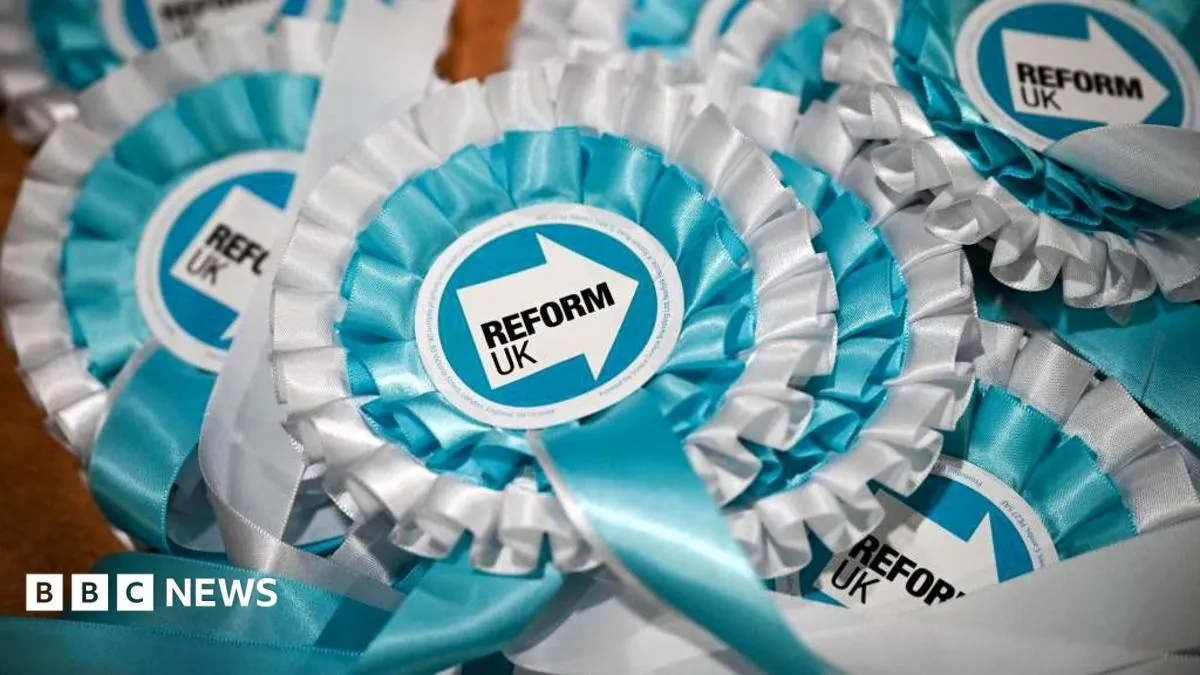
The Metropolitan Police are investigating donations made to Reform UK by the mother of convicted fraudster George Cottrell, according to the Times. For political and compliance leaders, the case is a reminder that party funding scrutiny can snap into place quickly and spill into broader governance questions.
The Metropolitan Police are investigating Reform UK over election donations linked to a convicted fraudster. The Times reports the donations in question were made to Reform UK by the mother of George Cottrell, who has been convicted of fraud.
That may sound like a narrow story about one family and one party, but it is exactly the kind of situation that forces boards, compliance teams, and election-law leads to move from “monitor” to “prove.” Donations are one of the most regulated parts of UK political life, and investigators digging into who gave money, how it was sourced, and whether it complied with election rules can quickly turn into a high-risk reputational and governance event.
To understand why this matters beyond the immediate headlines, start with how party finance scrutiny typically works in the UK ecosystem. Political parties rely on donations to fund campaigning and operations, and those funds are subject to rules designed to protect elections from improper influence, hidden payments, or arrangements that bypass transparency. When enforcement bodies look into a donor relationship tied to criminal conduct, the issue is not only whether paperwork exists. It is whether the donation pathway created a compliance blind spot, whether due diligence was adequate, and whether decision-makers can show a defensible process.
In practical terms, a case like this creates pressure in two directions. First, the party under investigation must cooperate with investigators and be able to answer detailed questions about donation handling. Second, parties not named in the probe still face a “shadow effect,” because the broader political market watches how fast and how transparently the questioned party responds. In board terms, it is the difference between an incident response plan and an improvisation. Investigators do not just want claims; they want records, timelines, and evidence that rules were followed.
This is where the compliance stakes get real for executives and directors. Election donation issues often travel through internal controls: who approves donations, what checks are performed, and what documentation is kept. When the donor is connected to a convicted fraudster, the risk is that external observers will assume negligence even if no rule was broken. That is a reputational problem, but it also becomes a governance problem, because it can raise questions about leadership oversight. Were controls designed for the normal world of legitimate political giving, or for edge cases that become real once investigators show up?
There is also a second-order implication for governance teams: the case can become a stress test for how well organizations separate political strategy from compliance execution. Donation decisions are often treated as operational and fundraising concerns. But when a law enforcement investigation begins, compliance becomes strategic. The organization must demonstrate that fundraising is not running on institutional vibes. It needs demonstrable processes, escalation paths, and a willingness to pause if the situation calls for it.
Although the source here is limited to the reporting that the Met is investigating Reform UK over these specific donations, the pattern is consistent with the broader principle that election-related finance gets treated as high scrutiny because it affects trust in the democratic process. Even when outcomes are not known, the mere fact of an investigation can change internal behavior: more documentation, more legal review, and more involvement from senior leadership.
For other executives and boards in political-adjacent organizations, the strategic lesson is uncomfortable but actionable. If your organization takes donations or handles money flows that touch regulated activity, the question is not “Will we be investigated?” It is “Can we prove our process when it is under pressure?” A probe linked to a convicted fraud case, even one involving a donor’s family member, signals that investigators may look beyond surface-level giving. They can connect dots across relationships, timing, and sources.
In short: the Times report about the Metropolitan Police investigation into Reform UK donations from the mother of convicted fraudster George Cottrell is more than a trivia item for politics watchers. It is a reminder that election finance is a compliance domain where diligence has to be operational, not theoretical, and where reputational risk can become a governance event the moment investigators begin asking questions.
This story's Key Insights and Take-aways are locked.
Create a free account to unlock Executive Actions for one credit.
Register to UnlockAlways free for Executives Club members. Join the Club
More in Politics

Glacial collapse, not rain, killed 180 in Nepal's Himalayan flood
The Himalaya's extreme geography hid the true cause of Nepal's catastrophic flood, a glacial collapse that turned a geological battleground into a mass-casualty zone.

Iran’s Esmail Baghaei says Oman talks start shipping via Hormuz, not US talks yet
Temporary route plans with Oman aim to restart commerce while Tehran says Washington dialogue is not on the table.

Standards watchdog opens probe into Reform UK deputy leader Richard Tice over interests
The parliamentary standards commissioner says it began an investigation on 28 July into a possible undeclared interest.