

Metanet finally ends the N decade: N Plus Infinity Times Two adds multiplayer to the legacy
After Raigan Burns’ 2015 “another 10 years” joke, Metanet is back with a new N sequel built around co-op chaos.
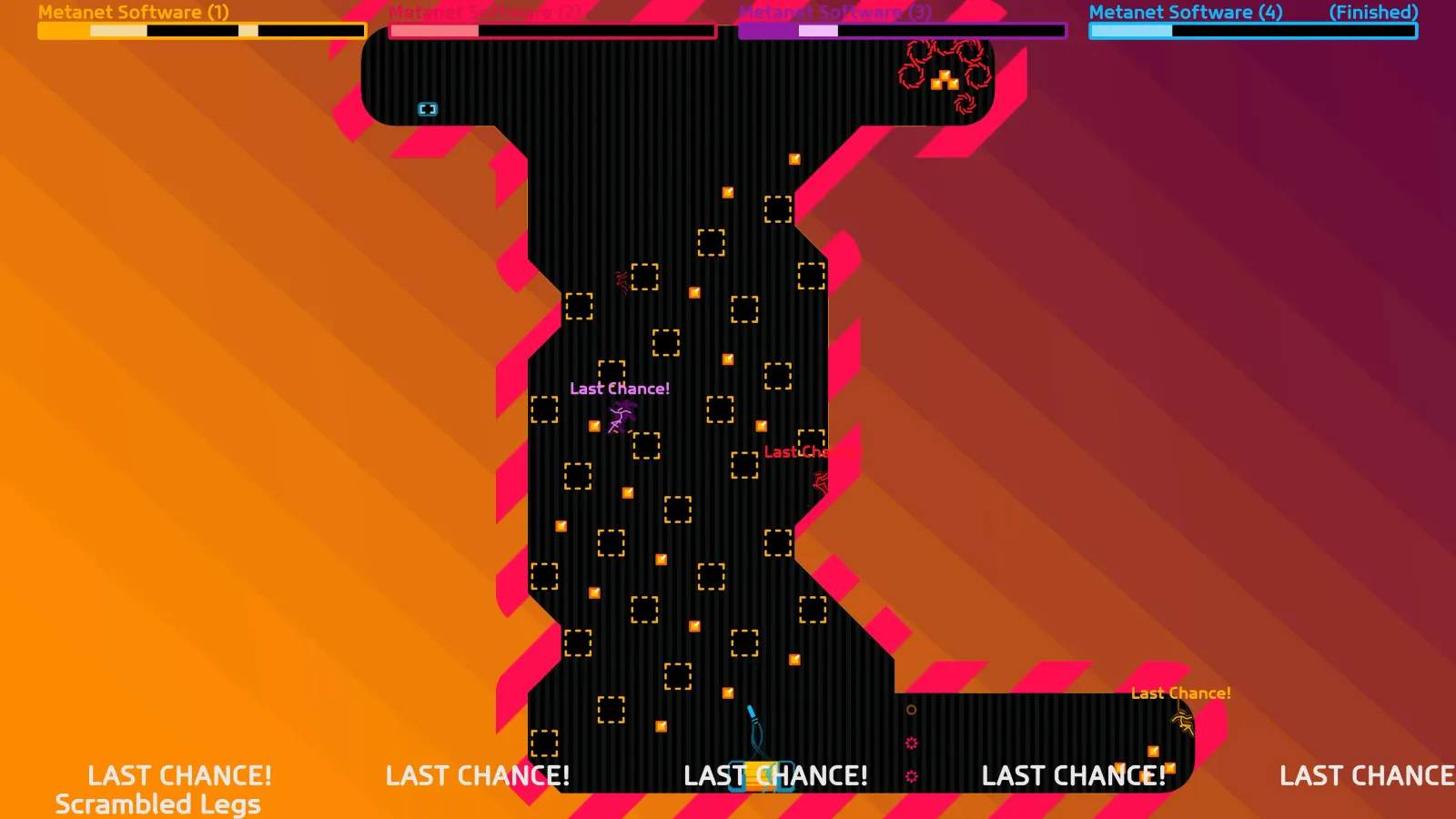
Metanet, the two-person studio behind N++, is returning more than a decade after the 2015 release. Its new game, N Plus Infinity Times Two, is positioned as a multiplayer sequel to the “ultimate” N concept.
In 2015, Metanet released N++, a brutally hard 2D platformer that had taken “a decade in the making.” Co-founder Raigan Burns, reflecting on the long road to getting N++ out, delivered a line that has aged like a prophecy: “We hope it's not another 10 years before we come up with a game.” More than a decade later, the studio is back, and the next installment is not a quiet single-player epilogue. It is the multiplayer direction the franchise always hinted at.
The new game is called N Plus Infinity Times Two. If N++ was built to be the ultimate single-player version of the N concept, this sequel shifts the center of gravity to multiplayer. The Verge describes it as “the ultimate virtual cou...”, signaling an evolution in how Metanet wants players to experience the N formula: not just mastering precision platforming alone, but doing it together, with all the social friction that implies.
To understand why this matters beyond nostalgia, zoom out to how small studios survive long enough to become cult institutions. Metanet was a two-person shop when it shipped N++ in 2015, meaning the timeline was never just “creative ambition,” it was also a resource reality. A decade-long development cycle for a niche, skill-intensive platformer is a bet that there will still be an audience willing to grind, fail, and retry. That bet is now getting paid out again, but with a twist: multiplayer as a way to expand the game’s stickiness, social sharing, and replay value.
Multiplayer changes the product math for a few reasons that boards and execs tend to care about even in gaming. First, multiplayer usually increases the volume and frequency of engagement. A single-player game can be loved and completed; multiplayer games tend to stay active as long as players keep finding matches, running modes, and competing or cooperating with other humans. Second, multiplayer multiplies community influence. If the game becomes a shared challenge rather than a solitary one, creators, streamers, and organized players can generate demand that pure marketing budgets might not sustain.
There is also an organizational angle. When a studio returns after more than a decade, it is not just releasing a sequel, it is reintroducing itself to an ecosystem that moved on without waiting. The industry you ship into in 2026 is not the same industry you shipped into in 2015. Hardware expectations, online infrastructure baselines, storefront dynamics, and player expectations for “instant accessibility” have all shifted. Metanet’s decision to build N Plus Infinity Times Two around multiplayer looks like a deliberate attempt to meet modern audience behavior without abandoning the franchise’s identity: extreme difficulty, tight controls, and the satisfaction of learning systems that punish sloppy play.
The franchise roots matter here too. N++ was described as building off previous releases dating back to the freeware Flash title N. That history tells you Metanet did not start with a blockbuster pipeline. It started with iterations, fan memory, and a design philosophy that survived platforms. Going from freeware Flash to a long-form sequel, then to another sequel after a long gap, is a story of persistence. Now, adding multiplayer is a bet that the core “N concept” can be socialized, not diluted.
For decision-makers at other studios, this is a signal worth filing away. A small team can take enormous swings, but it needs a strategy for relevance when timelines stretch. Metanet’s headline move is simple: they returned more than a decade later, and they chose multiplayer, even though the earlier release was framed as the “ultimate” single-player version. The second-order implication is that the hardest part might not be building skill-based levels. It might be building the surrounding systems that make those levels worth returning to with other people.
So the stakes are not just whether N Plus Infinity Times Two will be challenging, or even whether it will match the cult reputation of N++. The real question is whether multiplayer will help the franchise extend its lifecycle and convert new players into the kind of players who enjoy “brutally hard” learning curves. If it works, Metanet’s long arc becomes a template for other independent studios: wait, build, come back, and then evolve the core experience in the one direction that modern gaming rewards, social replay.
This story's Key Insights and Take-aways are locked.
Create a free account to unlock Executive Actions for one credit.
Register to UnlockAlways free for Executives Club members. Join the Club
More in Entertainment

Christopher Nolan’s “The Odyssey” posts his biggest Tuesday haul, surpassing “The Dark Knight’s” record
The film’s Tuesday breakout reframes Nolan’s box-office ceiling and forces competitors to rethink timing, budgets, and release strategy.

Kacey Musgraves cancels Aug. 20, 29, Sept. 2 Middle of Nowhere shows
Ticketmaster emails are telling fans refunds are coming, while the tour still starts Aug. 21 in Chicago.

Billie Joe Armstrong launches Epiphone Les Paul Junior and Marshall 1959BJA signature gear
Two limited releases turn decades of Green Day’s tone into branded hardware, including Marshall’s first artist amp in 14 years.