
Michael Kratsios seeks AI funding boost, university cuts in Trump research overhaul
The science adviser pitches a funding rewrite as Democrats argue Trump weakened U.S. science for good.
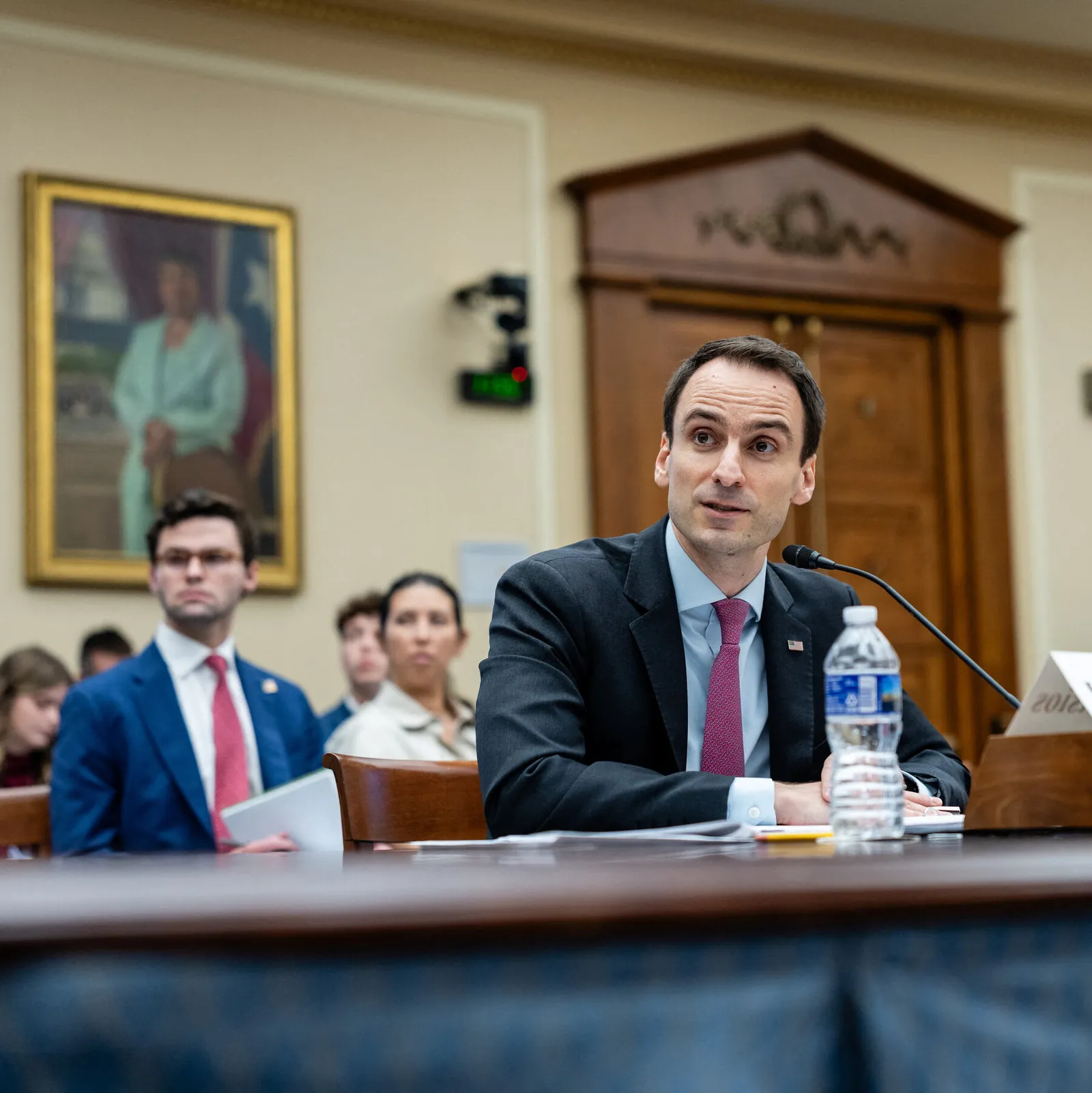
Michael Kratsios, President Trump’s science adviser, proposed overhauling how the government funds research, including more money for A.I. and less for universities. For decision-makers, the fight is really about where future science capacity and talent will be built.
Michael Kratsios, President Trump’s science adviser, laid out a proposed overhaul of how the U.S. government funds research. The thrust, as described in the story, is straightforward and politically combustible: more money for A.I., less for universities. That mix is the spark. In Washington, it is never just about budgets. It is about who gets to shape the nation’s research agenda, and what kind of workforce the country will grow over the next decade.
Democrats quickly pushed back, saying Mr. Trump’s actions had weakened science. That accusation is the second half of the headline equation. If research dollars shift away from universities, the concern is that long-term pipelines for discovery, training, and peer-reviewed scholarship get collateral damage while near-term tech races get priority. The policy debate is therefore not only about today’s grant line items. It is about whether the U.S. keeps a broad, institutional engine for basic research or narrows toward mission-driven, vendor-adjacent development.
To understand why executives and boards should pay attention, zoom out to how government science funding typically works. Universities are not just places where professors teach. They are also major grant recipients, research incubators, and talent magnets. Professors and labs compete for federal support, build research track records, and train graduate students and postdocs who later move into industry, government labs, and startups. When funding patterns change, it can reshape hiring, lab capacity, and the types of research questions teams can pursue. Even when universities still win projects, the overall balance of support matters for what they emphasize, and what students decide is worth studying.
Now stack that against the A.I. side of the equation. A.I. research and development tends to be fast-moving and capital intensive. It also attracts intense attention from companies building models, deploying systems, and monetizing applications. When policymakers say “more money for A.I.,” the implied incentive is to accelerate capabilities that can compete commercially and strategically. For many decision-makers, that reads like a signal that federal priorities will tilt toward computational scaling, applied breakthroughs, and outcomes that can be measured in shorter time horizons than traditional basic science.
The governance tension here is that research funding is both a technical pipeline and a political battlefield. Agencies and advisors do not just allocate dollars. They influence who becomes an agenda-setter. Michael Kratsios, as President Trump’s science adviser, is positioned at the center of that influence. When an adviser proposes a funding overhaul, it affects not only direct beneficiaries like A.I.-focused labs and university departments, but also the networks that surround them: contractors, industry partners, and the grant-making ecosystem.
Second-order implications show up in unexpected places. If universities take a relative hit, you can expect ripple effects across talent supply and research culture. Fewer supported graduate fellowships, fewer lab expansions, and more pressure to chase grant types that align with whatever the new priority framework favors. That can change what kinds of collaboration flourish. It can also influence whether emerging researchers build long-term, curiosity-driven trajectories or pivot toward near-term, deliverable-heavy work to remain competitive for funding.
On the flip side, if A.I. funding rises, boards should consider what that does to the broader market for research services and expertise. Companies that can leverage government support may move faster, attract top researchers, or broaden partnerships. That can strengthen certain categories of startups and vendors while squeezing others that rely on academic collaborations as their primary funnel. In a world where investors watch policy signals closely, a shift toward A.I.-heavy federal spending can also reprice perceived risk and opportunity across the innovation stack.
The strategic stakes for peers in similar roles are clear. This is a dispute over the architecture of U.S. science funding, and the Democrats’ charge that Trump’s actions weakened science highlights the reputational and operational risks for leaders who rely on stable research ecosystems. For executives, the question is not only “Who gets the money?” It is “What kind of research system does the country become when priorities tilt?” Whether you are raising capital, planning R and D, recruiting talent, or tracking government incentives, the Kratsios proposal and the backlash signal that the science funding debate is moving from abstract ideology to concrete institutional consequences.
This story's Key Insights and Take-aways are locked.
Create a free account to unlock Executive Actions for one credit.
Register to UnlockAlways free for Executives Club members. Join the Club
More in Politics

LA County: DOJ's 20,000 'noncitizen' voter list is 'unreliable,' includes U.S.-born
Preliminary review by Los Angeles County election officials finds errors in the federal list, raising the stakes for voter roll integrity ahead of November.

Trump's $1.5B Pentagon chip investment lands in North Carolina
A $1.5 billion defense infusion for North Carolina chipmaking signals a new era of Pentagon-backed reshoring - here's what it means for the industry.

Nigeria confirms first Ebola case in Abuja, a woman just off a Uganda flight
Health Minister Muhammad Ali Pate says the patient flew in from Uganda, putting Africa's latest outbreak on Nigeria's doorstep.