

Micro1 pledges $1 billion to buy Slack DMs, Google Docs for AI training
Micro1 is paying midsize companies $100,000 to $2 million for their internal data, and CEOs are cashing in before the AI data boom matures.
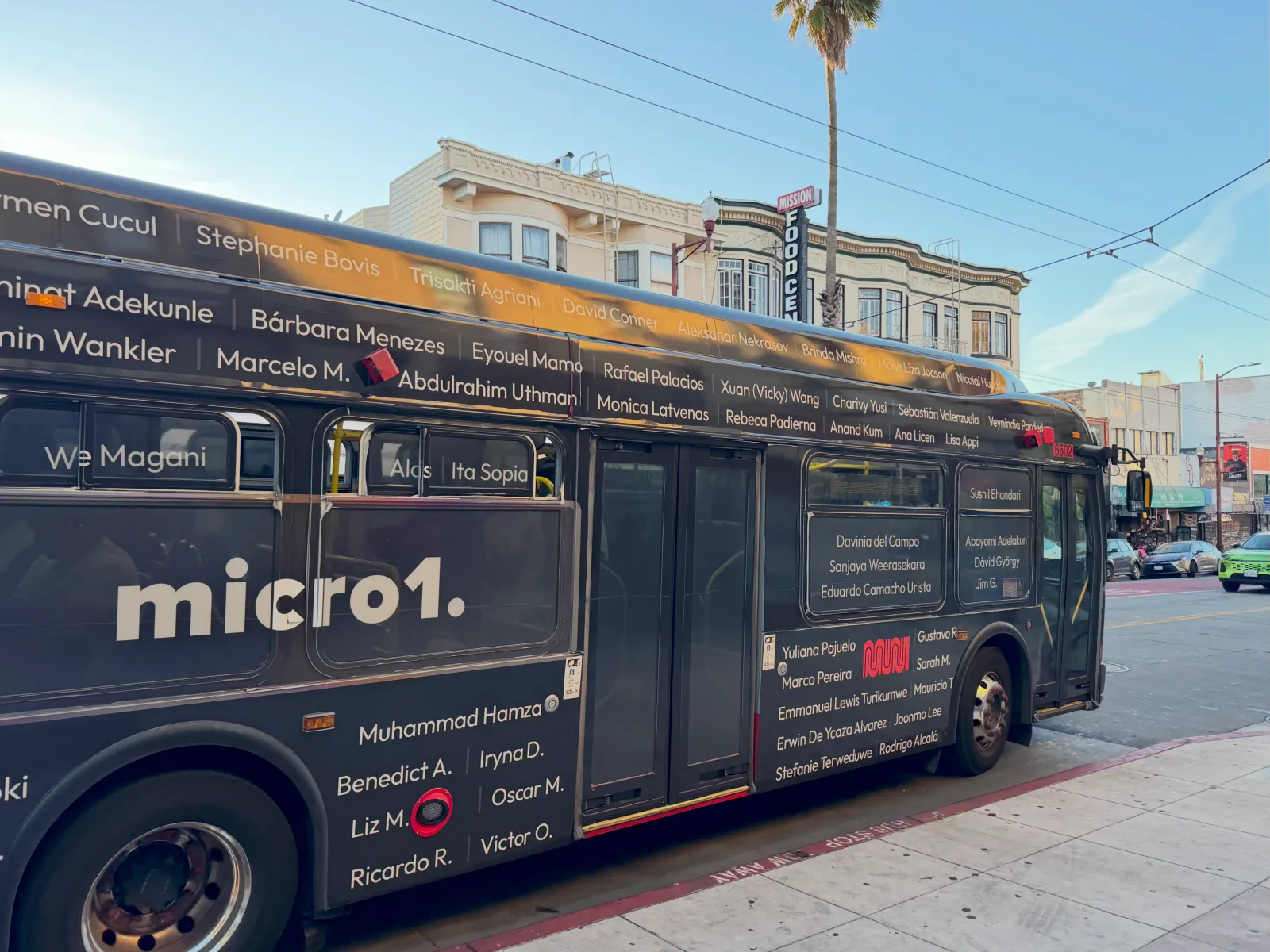
Micro1 CEO Ali Ansari's startup pledged $1 billion over the next year to license companies' internal data for AI labs, with midsize firms getting $100,000 to $2 million. The move opens a new CEO revenue stream while raising unresolved questions about worker consent and data ethics.
Micro1, a San Francisco AI data broker, pledged to spend $1 billion over the next year licensing companies' internal data for AI developers, paying $100,000 to $2 million for a single midsize company's corpus. Led by CEO Ali Ansari, Micro1 is part of a new class of fast-moving data brokers that package Slack messages, Canva files, Google Docs, and other workplace data for labs like OpenAI and Anthropic. The offer is so new that some CEOs initially thought it was too good to be true.
Ilya Brotzky, CEO and cofounder of recruiting startup VanHack, told Business Insider he was shocked when he filled out a Micro1 survey and received a "substantial" offer. "I didn't believe it, to be honest," he said. "I felt like it was a little too good to be true." Brotzky eventually sold his company's Google suite, Confluence data, Slack messages, and CRM data. Grant Gooley, CEO of marketing agency MyPortal Marketing, sold internal Figma and Canva design files plus Monday.com checklists. Neither executive disclosed exact amounts.
The revenue stream is brand new this year, and Micro1 is throwing everything at acquiring data as AI labs hunt for real-world material. Micro1's chief revenue officer, William Almeida, told BI in September the company has been explaining to prospective customers why their data is suddenly valuable. The pitch: AI labs have moved from gobbling text off the internet to having humans grade responses, and now to building complex simulations on real-world data. Gartner estimates AI data spending will surge from less than $1 billion last year to nearly $6.5 billion in 2027.
Micro1 works with model developers in three ways. It can take raw company data, transform it to protect privacy, and license it to a lab. It can provide an in-progress AI agent to a company and get feedback on how it works. Or, for simulation, it takes data up to a certain timestamp, freezes it, and gives model developers that "environment" so an AI can learn to work from existing context. Micro1 pays more for larger, complex datasets and for data that represents unique work or knowledge, and it usually wants the entire corpus so the model can replicate the experience of a human employee.
"The connection, the diversity, the traceability of all of these data points, they matter a lot when you think about model training," Almeida said. Brotzky also received an offer from rival AI data startup Mercor but chose Micro1 after reviewing its privacy process. Gooley framed his deal as innovation: "When we were building these processes years ago, I didn't think that we would be using it to support AI learning. But doing that, it's very fulfilling."
The boom has open questions. Former and current employees are not likely to get compensation from, or a voice in, their work becoming AI training fodder. Ifeoma Ajunwa, a law professor at Emory University, previously told BI that data sales are an "ethically gray area." CEOs are pitching the deals internally; Gooley said he told his team, "this is something that you're going to tell your grandchildren about one day, because we are literally supporting the future growth of marketing agencies." Brotzky said VanHack's team got a confidence boost from the extra revenue stream.
For other CEOs, the strategic stakes are real. Almeida warns that early sellers get the premium: "If you wait too much, you won't get the premium that the first companies are getting." That urgency is pushing boards to weigh a new revenue line against the risk of handing AI labs a detailed record of how their business operates. The data may be worth hundreds of thousands of dollars today, but the long-term value of a company's proprietary workflow, and the consent of the people who produced it, is harder to price. For now, Micro1 is betting $1 billion that CEOs will decide the check is worth it.
This story's Key Insights and Take-aways are locked.
Create a free account to unlock Executive Actions for one credit.
Register to UnlockAlways free for Executives Club members. Join the Club
More in Business

A flaw in PHP just forced governments to pull their own sites offline
European agencies from Belgium to Germany took websites dark to patch a critical weakness in the language behind almost 70% of the web, and the blast radius extends far beyond government portals.

BioWare shuts down, Mass Effect 5 dead after $55B EA buyout
The legendary RPG studio's closure lands months after a $55 billion investment group buyout of EA, raising tough questions for gaming's biggest acquirers.

Musk weighs Tesla-SpaceX mega-merger as boards form review panels
Special committees at both companies will examine a tie-up that could fuse electric vehicles and space launch, forcing a fresh look at governance and valuation.