

Microsoft’s Ryse sequels went quiet without formal cancellation, after critical and commercial underperformance
Crytek’s team had a multi-era franchise roadmap for Xbox, but finance stalled when the IP stayed unsold.
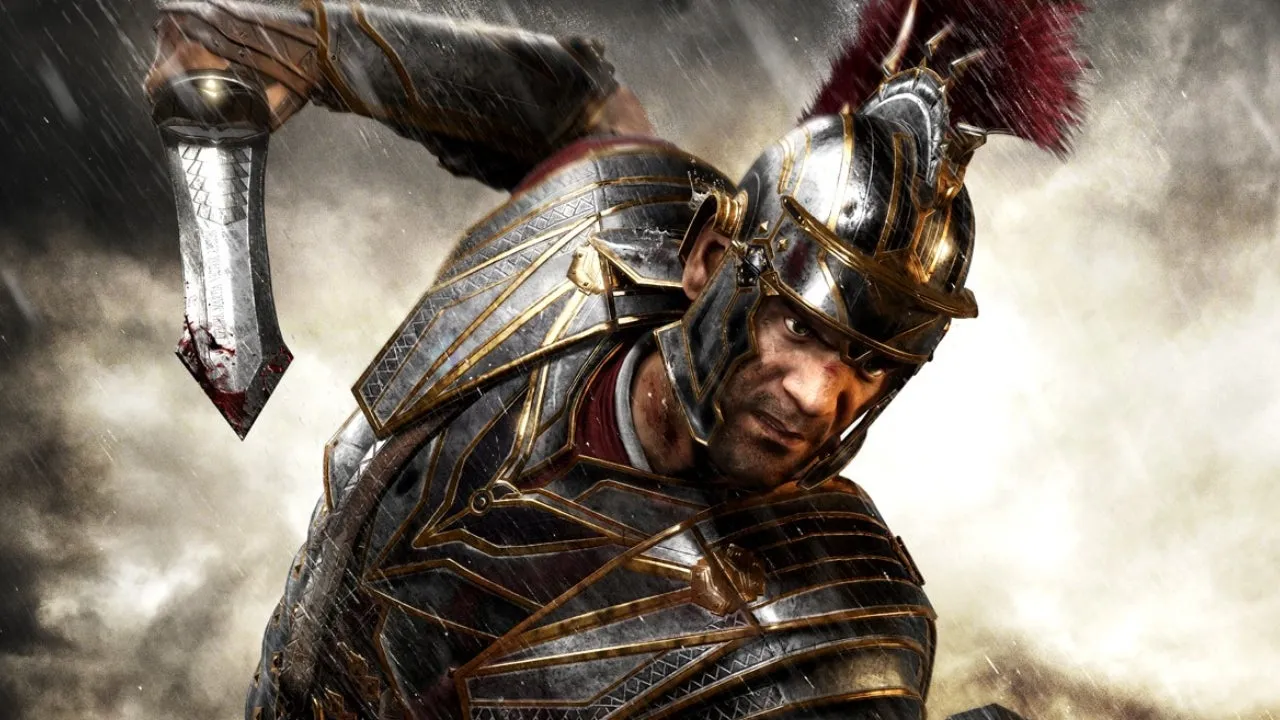
Crytek built a franchise plan for Ryse: Son of Rome, led in the pitch by Patrick Hanenberger, and told Microsoft it was “the most cohesive and well-thought IP pitch they had ever seen.” But sequels were never formally cancelled, work stopped after the original underperformed, and Crytek refused to sell the IP to Microsoft, ending the effort for lack of financing.
Ryse: Son of Rome was meant to be the beginning of something bigger. IGN reports that Crytek’s leadership team, concept artists, and a historical researcher mapped out a franchise that would expand beyond Rome, with Assassin’s Creed-style exploration across multiple eras and real-world military tactics. And Microsoft, at least initially, was enthusiastic when Hanenberger and the team pitched the plan. The catch: the sequels were never formally cancelled. Instead, development simply stopped after the original game, Crytek’s ill-fated Xbox One launch title, underperformed critically and commercially.
So what actually killed the pipeline? According to the employees who spoke with IGN, the Ryse sequels didn’t die by an official stamp. Work stopped because the original game underperformed, and the strategic endgame arrived when Crytek refused to sell the IP to Microsoft. With the conglomerate no longer wanting to finance the franchise without owning it, the project fell into limbo. For decision-makers, the lesson is blunt: even a “best ever” pitch and a coherent roadmap do not survive a capital and ownership crunch.
To understand why this stings, it helps to see what Crytek thought Ryse could become. The original Ryse is described as gloriously, cinematic, with players stepping into the role of a Roman centurion seeking to avenge his dead family. It also launched short, with former employees saying as much as two thirds of planned content was cut to reach launch day. Still, the team believed it was setting up a franchise, not just shipping a one-off. That belief powered a post-launch planning session, led by Patrick Hanenberger, a production designer who had previously worked at DreamWorks, who IGN reports was brought on initially as a visual consultant to help make Ryse feel like a “playable movie.” Later, he was offered a job as the franchise’s art director.
The plan was explicitly franchise-minded. IGN says four concept artists, a historical researcher, and the core leadership team met to decide what came next, and they discussed whether the next chapter should stay in Rome or move to “some other empire.” Project manager Yannick Boucher framed the internal debate around what players liked most: the Roman setting specifically, or history more generally. Some team members felt they had “just set the foundations for this IP,” and were wary of diverting too early. Others were fired up about new settings.
The pitch included real ambition to branch into eras that felt like fresh territory. IGN notes that Peter Gornstein, Ryse’s art director and director of cinematics, recalled being “super stoked” about a Viking game, with raids possible across the English and French coasts, the shores of Newfoundland, and even Constantinople as bodyguards to Byzantine emperors. The team also floated feudal Japan, including events Hanenberger said interested him: the failed Mongol invasions led by Kublai Khan, the arrival of European merchants, and the Sengoku period’s civil wars. Ottoman history also entered the conversation, including the empire that defeated the Byzantines in 1453.
Mechanically and structurally, the sequels would have aimed to correct weaknesses while keeping the Ryse signature. Boucher said changing levels was among the first things they discussed because most levels were essentially straight corridors. The vision was not fully open-world, but not completely linear either, “not far off from God of War 2018.” They also considered new mechanics, including vehicle navigation and a PVP multiplayer mode. IGN adds that the final Ryse ended up with solo and co-op PVE waves inside the Colosseum, implying that some of these ideas never made it in.
Even the famed testudo formation idea suggests how far the team wanted to go. IGN reports that in the game, when you advance in formation, you raise shields as a barrier, but final gameplay limits shielding and returning fire, essentially tied to a button press. Employees told IGN the original plan was you could leave and reenter the formation at will, fighting solo and then returning when you wanted. The sequels were also discussed as a place to reuse real tactics like the Parthian shot and a Sengoku-era formation known as Kakuyoku, where a defensive line can turn into a pincer movement.
What Microsoft approved was not just a dream, but a pitch that sounded cohesive. Hanenberger told IGN that when they brought the franchise plan to Microsoft, the response was enthusiastic: “They told us it was ‘the most cohesive and well-thought IP pitch they had ever seen.’” The problem was the next phase: sequencing the business decisions that finance expansion. Work never got to the “formally cancelled” step. Instead, the original underperformance and the timing pressure of launching Ryse before the Xbox One deadline created the conditions where Crytek refused to sell the IP, and Microsoft, according to IGN, no longer wanted to finance the franchise if it could not.
For boards and investors watching how studios scale franchises, this is the part that should keep you up. You can have a credible creative roadmap, even with tactics, settings, and narrative “domino” links designed to connect each installment. But in the real world, ownership and capital discipline decide what gets built. Ryse’s multi-era future was not derailed by a lack of ideas. It was derailed by underperformance, stalled financing, and an IP ownership impasse that turned a living plan into a paused one.
This story's Key Insights and Take-aways are locked.
Create a free account to unlock Executive Actions for one credit.
Register to UnlockAlways free for Executives Club members. Join the Club
More in Entertainment
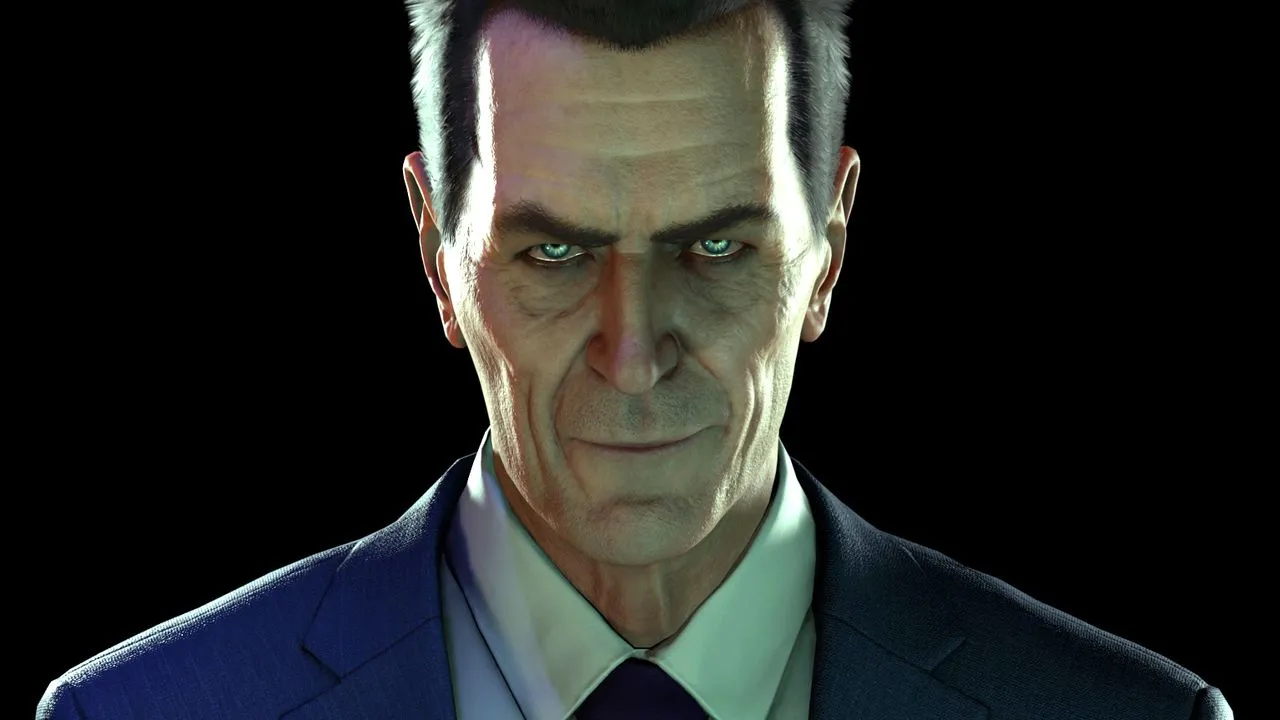
12TB Steam 'teraleak' goes beyond Valve: GTA 3, Mafia 2 prototypes exposed
A 12-terabyte dump of Steam data reveals prototypes and builds of third-party classics like GTA 3 and Mafia 2, plus unreleased Valve content, rewriting game history.

LinkedIn's romance problem: 1 in 4 workers say dating on it is fair game
A new survey shows a quarter of U.S. employees treat the professional network as fair game for romance, even as LinkedIn bans it and removes hundreds of thousands of offending posts.

Enhypen's first No. 1 album breaks K-pop's Billboard 200 streak
The K-pop group's 98,000-unit debut tops the chart while Dolly Parton's catalog reentry shows how death reshapes streaming.