

Microsoft trims 2026 capex forecast to $170B as AI capacity lags
CFO Amy Hood blames delayed third-party GPU contracts, even as Azure revenue jumps 48% and Wall Street questions AI returns.
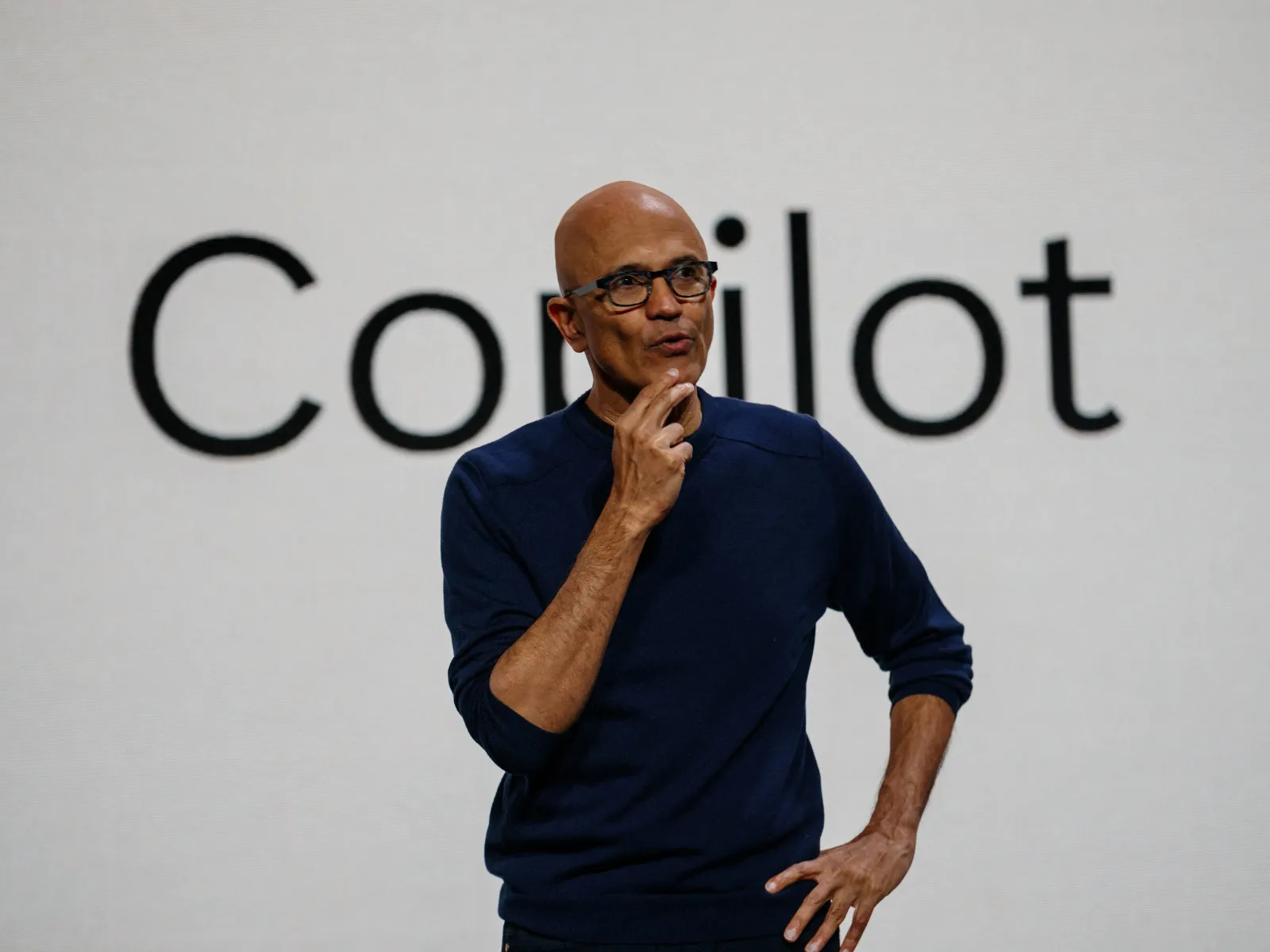
Microsoft CFO Amy Hood lowered the company's 2026 capital expenditure forecast to $170 billion from $175 billion, citing delayed third-party GPU capacity. The rare cut signals that even the largest AI spenders are hitting infrastructure bottlenecks, forcing finance chiefs to recalibrate expectations.
Microsoft just did something rare in the AI arms race: it pulled back. The software giant lowered its 2026 capital expenditure forecast to $170 billion, down from a previous $175 billion, a $5 billion trim that CFO Amy Hood announced on the company's fiscal first-quarter earnings call Wednesday. The move stands out because most cloud giants keep raising their AI spending targets, not cutting them.
The cut is not a demand problem. Azure cloud revenue jumped 48% to more than $33 billion, beating Wall Street expectations, and Microsoft shares rose about 3% in after-hours trading. The issue is supply. Hood said Microsoft expected new capacity from third-party providers, but some "GPU-as-a-Service contracts" have been delayed until the second half of the fiscal year. That phrase likely refers to outside AI cloud providers that run Nvidia GPUs to sell computing power to Microsoft.
Those delays have become a theme across the industry. Recent AI data center projects have been slowed by a lack of electricity and local opposition, according to reporting that Hood's comments appear to echo. Microsoft has partnered with outside providers to meet rampant AI demand, but when those partners slip, Microsoft's own capital deployment slips with them. Hood said the company still expects capex to accelerate in the second half of the fiscal year as the delayed capacity comes online.
The timing matters because Wall Street has grown increasingly nervous about the enormous sums cloud companies are pouring into AI infrastructure. Investors want proof that spending translates into revenue and profit, not just data center shells. Microsoft had kept its forecast unchanged last quarter, a notable decision as rivals like Amazon and Google have steadily increased their AI spending guidance. Now Microsoft is the one making a cut, even if a modest one.
The broader numbers show a company still growing fast. Microsoft reported $92.3 billion in revenue for the fiscal first quarter ending Sept. 30, up 19% year over year. But the workforce is shrinking. Headcount slipped 2% during the quarter, and earlier this week Microsoft offered buyouts to more than a quarter of its employees. A spokesperson said the company expects at most 5% of eligible employees to accept. "We expect very few people to select this offer because of the growth opportunities here at Microsoft," Hood wrote in an internal memo viewed by Business Insider.
For CFOs and boards watching the AI capex supercycle, the takeaway is that even the most aggressive spenders are not immune to execution risk. A $5 billion trim on a $175 billion plan is less than 3%, but the signal is outsized: capital plans are only as good as the supply chain behind them. Finance chiefs should stress-test their own AI infrastructure assumptions, especially around third-party capacity, power availability, and permitting timelines.
The second-order effect could be a reshuffling of competitive timelines. If Microsoft's delayed capacity pushes some AI services to the second half of the year, customers may feel the pinch in the form of slower access to certain cloud AI features. At the same time, the delay gives Microsoft a chance to align spending with actual demand signals, a discipline that investors are increasingly rewarding. The fact that shares rose after the cut suggests the market sees prudence as a feature, not a bug.
For peers in similar roles, the lesson is clear: AI infrastructure is now a supply chain story as much as a technology story. Power constraints, local opposition, and third-party GPU availability can move billions of dollars in planned spending. The companies that build flexibility into their capex guidance, and communicate that flexibility openly, will be better positioned when the next delay hits. Microsoft just showed that a cut can be a confidence signal, not a retreat.
This story's Key Insights and Take-aways are locked.
Create a free account to unlock Executive Actions for one credit.
Register to UnlockAlways free for Executives Club members. Join the Club
More in Business

Binance scrambles to claw back $6.3B stolen in North Korea-linked hack
The world's largest crypto exchange faces the biggest heist on record, and the recovery effort will test the limits of blockchain forensics.

North Korea's TraderTraitor unit blamed for Binance's record $6.3bn heist
The largest crypto theft on record has rattled markets, slashed billions from token values, and put Binance's security revamp under the spotlight.

Binance probes $6.3B hack, freezes $3B; Polymarket halts trades
Two major trading platforms reported separate security incidents on Thursday, with billions frozen and user funds on the line.