
Modern Warfare 4 ads warn CoD won’t be on Xbox Game Pass this year
Activision and Microsoft are using Facebook ads to manage expectations for the Oct. 23 release.
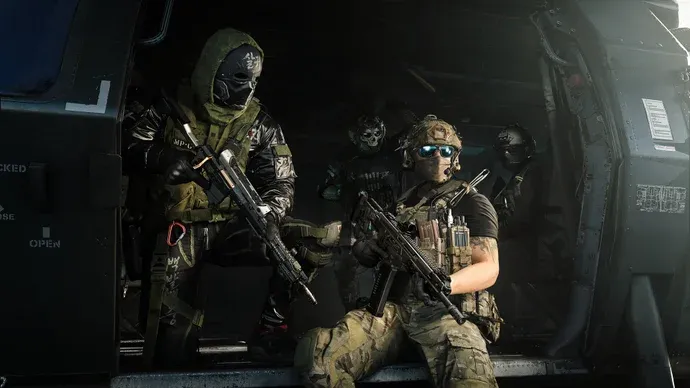
Eurogamer reports that for Call of Duty: Modern Warfare 4, Facebook ads are being used to emphasize that this year's Call of Duty will not be on Xbox Game Pass. The consequence for decision-makers is a clearer signal about Microsoft and Activision’s platform strategy around Game Pass expectations.
If you have spent the last few months watching people argue about what lands on Xbox Game Pass, Eurogamer just added a new datapoint to the conversation: Facebook ads for Call of Duty: Modern Warfare 4 are reportedly designed to make sure casual players do not assume this year’s Call of Duty will be available on Game Pass.
That matters because Call of Duty: Modern Warfare 4 is set to release on 23rd October, and the ads are essentially an early expectation-setting campaign from the publisher and platform holder. In plain terms, the message is not “download this on Game Pass.” The message is “don’t expect it to be there,” even if that is what many players have learned to anticipate.
Now zoom out, because this is not just marketing babysitting. This is the kind of pre-launch messaging you typically see when two parties know the same thing: gamers form habits. If your audience has started associating major releases with subscription access, any mismatch between expectation and reality creates backlash, refund pressure, and reputational drag. Eurogamer frames the timing as part of Xbox and Activision “planning ahead” to avoid “Black Ops 7’s stumbles.” Even with sparse details in the source, the underlying logic is consistent with how subscription economics work: subscriptions can shift demand, change pricing pressure, and compress the window where a standard day-and-date purchase would otherwise get maximum impact.
From an operator’s perspective, subscription platforms are powerful because they reduce friction. A Game Pass subscriber is effectively making a standing purchase with low marginal cost for additional titles. That can be great for user retention, but it also increases the odds that players interpret future releases through a subscription lens. If a major shooter like Call of Duty does not arrive on the service, the “miss” is more visible. So when a publisher and a platform holder attempt to steer the narrative early, it is often a hedge against the loudest kind of disappointment: the kind based on an assumption the ads can try to correct before launch-day.
There is also a market-competition angle that executives will recognize even if they do not play the games. Platform holders increasingly compete not only on content, but on certainty. Players want clarity about what they will get for their subscription. Meanwhile, publishers want clarity about where they will capture value, whether that is through full-price purchases, bundles, or alternative distribution. If everyone is fighting over a moving target like “will this be on Game Pass this year,” pre-launch ads become a way to lock down the narrative and reduce friction across marketing channels.
Regulatory background is not front and center in Eurogamer’s piece, but it still matters for the second-order effects. In broad terms, governments and regulators have been scrutinizing digital marketplaces, online advertising practices, and consumer protection issues, including how misleading claims can drive consumer harm. While the source does not mention any specific regulator, the headline-level takeaway is that Microsoft and Activision appear to be taking steps to ensure consumers understand the platform reality before they buy into the release expectation.
This kind of messaging can also influence how investors and board members read the quarter. Subscription strategies are often evaluated in terms of churn, acquisition, and retention, not just revenue. If major titles are not on the service, boards will want to understand how the platform still maintains momentum without relying on those anchor releases. On the flip side, if publishers avoid Game Pass for a particular release, executives will look for evidence that day-and-date demand or other monetization strategies will compensate.
And then there is the competitive flywheel. The moment you train audiences to expect Game Pass availability for blockbusters, you raise the cost of changing course later. That is why the “planning ahead” framing is important. Eurogamer’s reference to “Black Ops 7’s stumbles” implies that expectations management is now part of the strategy, not a side quest. The ads for Modern Warfare 4 on Facebook can be seen as an attempt to reduce the delta between what players think will happen and what will actually happen on Oct. 23.
For executives at publishers and platform holders, this is a reminder that distribution is not just about where the bits ship. It is about where the audience’s money, time, and attention go. If you are deciding whether to place a major release inside a subscription catalog, the question is not only “does it sell on Game Pass?” It is also “what happens when players learn the next release will not be on Game Pass?” Eurogamer’s report suggests Microsoft and Activision are betting that clearer communication now can prevent a bigger mess later.
This story's Key Insights and Take-aways are locked.
Create a free account to unlock Executive Actions for one credit.
Register to UnlockAlways free for Executives Club members. Join the Club
More in Entertainment

Extraction 3 starts filming on Netflix, with Chris Hemsworth and Idris Elba returning
The hit action franchise is back in production, turning Netflix’s blockbuster sequel plans into a live, measurable pipeline.

Matthew Needham voices The Joker in Batman: Caped Crusader Season 2
Prime Video confirms the casting from Comic-Con, with Season 2 launching July 31 alongside the new game.

Amazon’s Batman game launches July 31 with Prime, using phones as controllers
Batman: Caped Crusader - Chronicles drops alongside Season 2, and Prime members get it at no extra cost.