
Modest Mouse drops guitarist Simon O'Connor after alleged Instagram messages to a minor
The band removed O'Connor from tour and named Les Savy Fav’s Seth Jabour as his replacement.
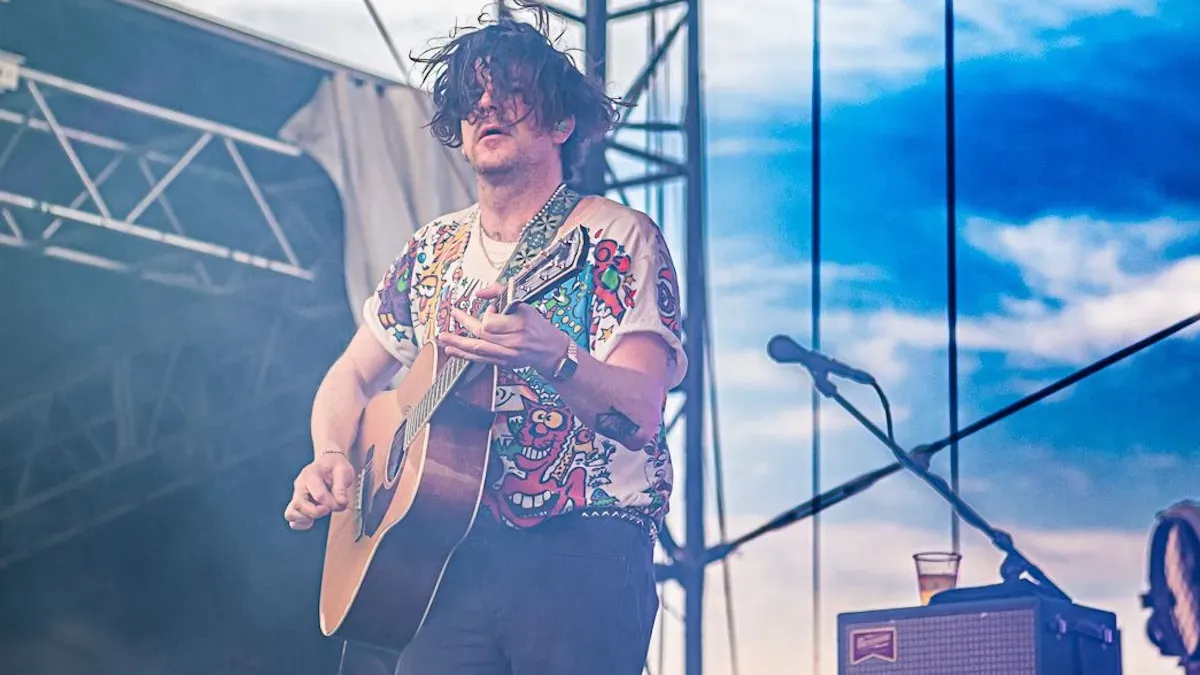
Modest Mouse removed guitarist Simon O'Connor from the remainder of its scheduled dates after screenshots allegedly showed inappropriate Instagram messages to a minor. Les Savy Fav member Seth Jabour will replace him, a move that sends a signal to other touring acts about reputational and compliance risk.
Earlier this week, screenshots surfaced alleging that Modest Mouse guitarist Simon O'Connor sent inappropriate messages to a young fan via Instagram. The immediate consequence was not slow-moving corporate process. It was a public, performance-level change: the guitarist was dropped from the tour over the allegations.
O'Connor later apologized, according to the report, saying he had mistaken the fan for a troll with a history of harassing him. Even with that explanation on the record, Modest Mouse still officially announced the core decision: O'Connor would not appear for the remainder of the band's scheduled dates, and Les Savy Fav member Seth Jabour would replace him.
For executives, this is the kind of story that looks like celebrity news until you zoom out and realize it is an operational risk case. Touring is time-bound and revenue-driven. When a credibility problem hits, the clock starts immediately: contracts, crew scheduling, venue obligations, marketing calendars, and fan expectations all run on a tight timeline. In that environment, the band does not have the luxury of waiting for every allegation to play out in a formal adjudication cycle. Whether the allegations ultimately prove true or false, the reputational harm in the moment can be expensive, especially when the allegation involves a minor.
This is where incentives get sharp. Labels, promoters, and management teams have long dealt with on-stage controversy. But allegations related to sexual misconduct and minors carry higher reputational volatility, higher partner scrutiny, and potentially higher legal exposure. Even if the initial evidence is just screenshots, the fact that it is disseminated publicly can change the decision math for everyone around the artist. Brands and venues do not want to be seen as endorsing ongoing risk. Promoters want to avoid cancellation cascades. Agencies want to avoid being associated with harm allegations while the story is still unfolding.
The O'Connor apology matters because it shows what artists often do in the first response window: acknowledge the situation and provide a narrative. Here, the claim was that he mistook the fan for a troll who had harassed him. That kind of explanation is common, because it is the fastest way to attempt to stabilize an unfolding crisis. But the band's decision shows the limits of that approach when the allegation is specific and the potential consequences are broad. The question is not just what the artist says. It is how partners interpret risk, how audiences react, and how future harm could expand if the same person remains in a high-visibility role.
Regulatory and compliance context also lurks in the background, even for a band news item. Platforms like Instagram create an environment where private messages can become public evidence through screenshots, and those screenshots can move faster than any formal investigation. Meanwhile, the involvement of a minor pushes the issue into a zone where safeguarding expectations become non-negotiable. Even without naming a specific regulator in the report, the general principle is clear: public-facing organizations and intermediaries tend to treat anything involving minors as a “stop the bleeding” priority.
There is also a governance lesson for boards and leadership teams in creative companies. Crisis response is often framed as a communications problem. But in cases like this, it is primarily an operational decision with brand consequences. The report states that Modest Mouse replaced O'Connor with Seth Jabour for the remainder of the scheduled dates. That is not just a staffing update. It is the company choosing continuity over waiting, and choosing to separate future performances from the alleged conduct while the story is active.
Second-order implications extend beyond one tour. Other artists, managers, and promoters will read the same headline and the same action: swift removal and a named replacement. That sets a norm. It tells stakeholders that, at least at the touring level, the threshold for “keep going as normal” can be lower when allegations are severe in nature and public in form. For executives overseeing talent, the practical takeaway is that risk management has become real-time. The moment screenshots circulate, decisions move from legal-only review toward multi-stakeholder triage, where reputational safeguards and partner expectations can force immediate operational changes.
Ultimately, this is about what fans see and what partners bet on. Modest Mouse is still performing its scheduled dates, just with a different guitarist for the rest of the run. For decision-makers across entertainment, this is a reminder that apologies do not automatically reverse course. When allegations involve a minor, companies can face an urgent, high-stakes choice: contain the reputational blast radius now, or absorb the cost of delay.
This story's Key Insights and Take-aways are locked.
Create a free account to unlock Executive Actions for one credit.
Register to UnlockAlways free for Executives Club members. Join the Club
More in Entertainment
Ali G's 'stooge' says he was in on joke, outplayed Sacha Baron Cohen
A 54-year-old aspiring actor says he recognized Sacha Baron Cohen mid-shoot, kept his MAGA act up, and let the film-makers think they had fooled him.

Entertainer Russell Brand denies 7 sex charges amid accuser's 'couldn't breathe' claim
The alleged victim's account sharpens the reputational and legal stakes for Brand, his platforms, and any business tied to a public figure under criminal scrutiny.

Russell Brand's accuser 'bewildered and confused' as he denies 7 sex charges
The criminal case against the comedian is a live test of how media companies manage talent risk when serious allegations go public.