
Montefiore laid off 12 utilization-review nurses after replacing them with AI
NYSNA says Montefiore broke a contract won through a strike, raising alarms about care quality and insurer workflows.
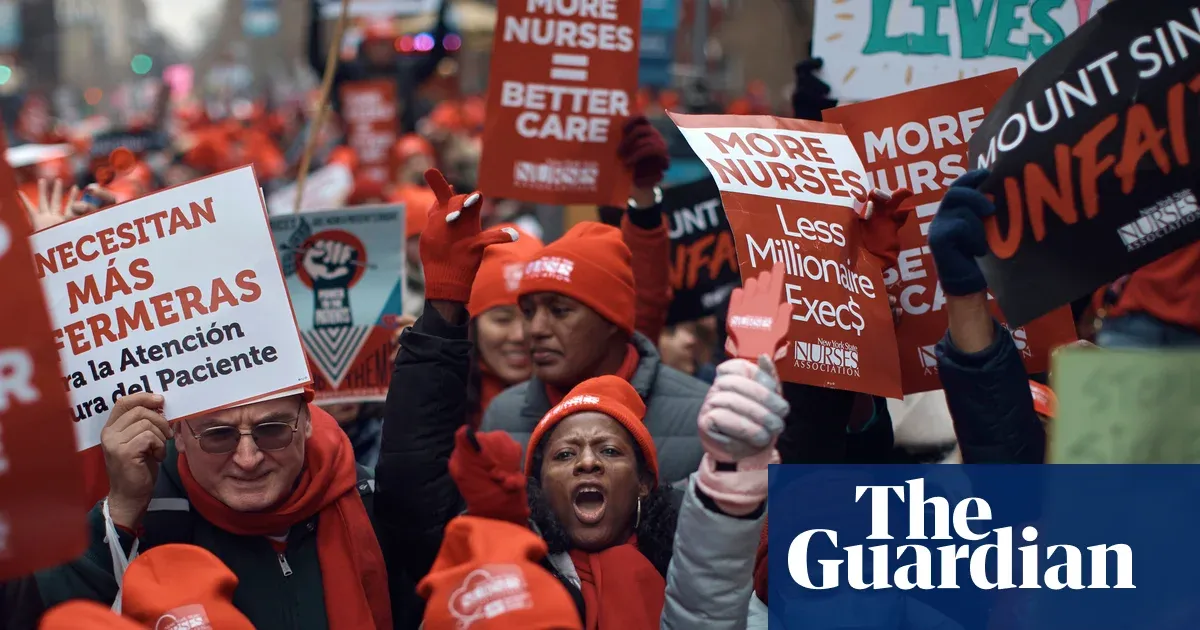
Montefiore Hospital in the Bronx laid off 12 utilization review nurses and replaced them with AI-powered software, the New York State Nurses Association (NYSNA) says. For decision-makers, the dispute is less about job cuts and more about what happens when “coverage” decisions move from humans to software.
Marilyn Shuler has worked as a utilization review nurse at Montefiore Hospital in the Bronx for 39 years. Now, the New York State Nurses Association says she is one of 12 nurses laid off Sunday, after the hospital replaced them with AI-powered software.
This is the part NYSNA wants every patient and every health-care decision-maker to understand right away: utilization review is not a “back office” function. Shuler’s job, as described by the union, included reading patient charts and communicating with insurance companies about coverage. Move that work into software, and you are not only changing staffing. You are changing the workflow, the decisions, and the quality controls that sit between a patient and whether care gets approved.
NYSNA, which represents nurses at the hospital, frames the layoffs as a contract violation. The union says Montefiore broke a contract the parties recently won through a strike. That matters because contracts in health care are how labor and operations translate into predictable processes: staffing levels, roles, and how care coordination should happen when things get messy. When a contract is won via strike, the expectations are usually clear, and the stakes become higher. If one side believes the other broke the deal, the dispute stops being “HR management” and becomes a trust and compliance issue.
Why is AI suddenly at the center of a labor dispute? In utilization review, hospitals and insurers negotiate coverage decisions, typically based on clinical documentation and policy rules. Historically, human reviewers have used chart information to interpret what is medically needed and then communicate with insurers to support approvals. The Guardian’s account ties the layoffs directly to “AI-powered software” replacing those utilization review duties. In other words, the shift is not framed as AI assisting nurses. It is framed as AI taking over a role that nurses previously performed.
For executives, this is where the story turns from operational change into governance pressure. The headline implication is straightforward: if AI is making or influencing decisions that affect care coverage, then the hospital must be able to explain how those decisions are made, audited, and corrected when they go wrong. If nurses believe quality of care is at risk, that concern becomes not just labor rhetoric, but a risk management signal. Boards and C-suite leaders have seen this pattern in other sectors: automating a decision process without a robust oversight layer can amplify errors at scale.
There is also a regulatory and political layer that comes with being a large health system in New York. The source does not list specific regulations or penalties, but it does identify the union (NYSNA) and the location (Montefiore in the Bronx). In New York health care, labor relations and patient advocacy often intersect with broader scrutiny on staffing, documentation practices, and how health plans evaluate care. When a union claims a contract was broken, the claim itself can trigger more attention from stakeholders who care about both worker rights and patient outcomes, even before any legal findings are issued.
Second-order effects for leaders could be significant. First, disputes like this can change how patients perceive care coordination. If people believe that “coverage” decisions are handled by software instead of experienced clinicians, confidence can drop, and complaints can rise. Second, nurses and other clinical staff may become more resistant to workflow redesigns, even those that improve documentation quality or reduce repetitive tasks, because trust has been strained. Third, the hospital’s long-term AI strategy may get harder to execute if stakeholders view the rollout as a substitute for humans rather than a tool that maintains or improves quality.
So what is the strategic stake for the broader market? It is not simply whether AI can read documentation. It is whether the entire utilization review system stays fair, accurate, and accountable when humans are removed from key decision points. Shuler’s 39-year career stands as a reminder of what the role used to be: chart review and insurer communication. If those functions are replaced with AI-powered software, every hospital that is watching this case has to ask the same uncomfortable questions: How are errors caught? Who is responsible when coverage decisions get disputed? And what does “quality of care” mean when the workflow no longer includes the people who used to validate clinical context before it went to insurers?
For decision-makers, this is the moment to treat AI deployment in utilization review as a quality and contract governance issue, not just a cost optimization story. When 12 nurses are laid off on Sunday and a union alleges a recent strike-earned contract has been broken, the message travels fast. It shapes how patients, employees, regulators, and partners will interpret the hospital’s AI future.
This story's Key Insights and Take-aways are locked.
Create a free account to unlock Executive Actions for one credit.
Register to UnlockAlways free for Executives Club members. Join the Club
More in Technology

Google quietly links your phone number to every Android account on your SIM
Adding a SIM now ties your phone number to all Google accounts - and future accounts inherit it. Here's the security and privacy stakes.

Hijacker AI 'Skynet mode' runs 100,000 attack steps against exposed models
Symantec caught a criminal AI agent that borrows other models, steals data, and mines crypto; the only relief is no confirmed victims yet.

Nvidia's AI-financier shift faces its first big test as neoclouds stumble
A rout in neocloud stocks is forcing investors to weigh Nvidia's hidden exposure as both supplier and lender to the AI buildout.