
Motorola's two foldables split on price, size, and premium feel
The Razr Fold and Razr Ultra solve different buyer problems, so the real decision is whether your priority is flagship polish or pocketability.
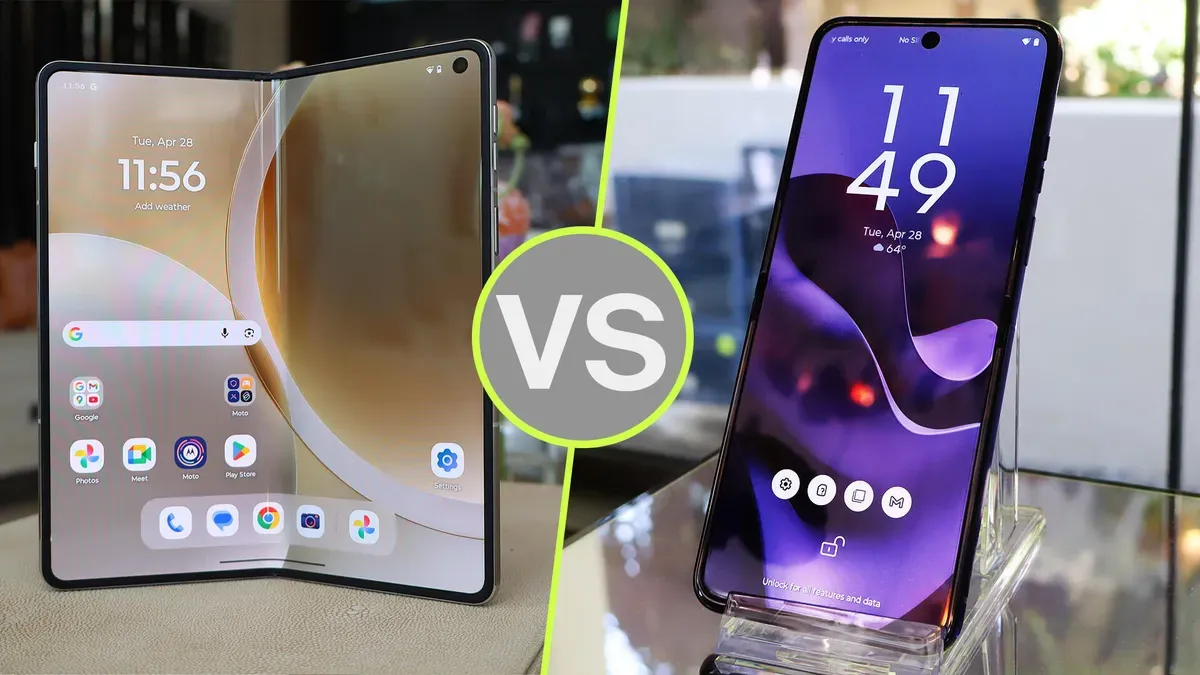
ZDNet says it has tested every Motorola foldable phone in 2026 so far, and the key choice is between the Razr Fold and the Razr Ultra. The Fold is described as more premium, while the Ultra is more compact and stylish, which changes how teams, buyers, and product watchers should think about Motorola's foldable lineup.
ZDNet's 2026 Motorola foldable verdict comes down to one simple split: the Razr Fold delivers the more premium experience, while the Razr Ultra leans more compact and stylish. That is the core decision for buyers, and it is the reason the comparison matters. If you are choosing between the two, you are not just picking a phone shape. You are choosing between two different interpretations of what a foldable should optimize for: more flagship polish, or more pocket-friendly flair.
The source is clear that it has tested every Motorola foldable phone in 2026 so far, which gives this comparison practical weight rather than speculative hype. The question is not whether Motorola has a foldable worth considering. It is how to pick between its two most relevant options. In plain English, the Razr Fold is the one framed as the more premium experience, while the Razr Ultra is the one framed as the more compact and stylish choice. For a busy buyer, that is the whole game: premium often signals a more expansive, fully featured feel, while compact and stylish usually points to easier carry and a more fashion-forward profile.
That distinction matters because foldables have always lived in a tension between utility and identity. Traditional phones ask one question, which is whether the device works well. Foldables ask another, more awkward one: do you want your phone to feel like a productivity tool, a status object, or both? Motorola's split between Fold and Ultra suggests the company is not forcing everyone into the same answer. Instead, it is giving the market a fork in the road. One model is positioned to satisfy buyers who want a more premium experience. The other aims at people who care about compactness and style, which are often the features that make a device feel different enough to justify a foldable in the first place.
For executives watching consumer hardware, that separation is the interesting part. Product segmentation only works when the differences are legible enough that customers can self-select without confusion. Here, the contrast is unusually clean because the source reduces the decision to two attributes: premium versus compact and stylish. That makes the lineup easier to explain, but it also raises the stakes. If the market reads the Fold as the serious, premium option and the Ultra as the cooler, smaller one, Motorola has essentially created a two-lane brand story inside one category. That can be powerful if the messaging stays sharp. It can also get messy if buyers do not understand what they are paying for.
The broader context is that foldables still need a compelling reason to exist in a crowded smartphone market. They are not just incremental upgrades; they are format bets. So when a manufacturer offers two distinct foldable options, the strategic question becomes whether the company is widening the appeal of the category or fragmenting it. The Razr Fold and Razr Ultra sound like they are meant to answer different buyer priorities rather than compete head-to-head on the exact same terms. That is usually a sign of a company trying to turn a niche category into a more complete product line, one that can catch both premium shoppers and style-driven buyers without asking either group to compromise too much.
For decision-makers, the lesson is not limited to Motorola. Any hardware company trying to build a next-gen category has to decide whether to sell one flagship story or several tightly defined ones. Too little differentiation, and the lineup feels redundant. Too much, and the value proposition gets muddy. Motorola's 2026 foldable setup, at least as described here, tries to avoid that trap by making the tradeoff obvious: premium experience on one side, compact style on the other. That is useful not only for shoppers, but for product teams, marketers, and rivals watching how consumers respond to the language around the devices.
So if you are trying to pick between the Razr Fold and the Razr Ultra, the source's answer is straightforward. Choose the Fold if you want the more premium experience. Choose the Ultra if you care more about compact size and style. The strategic takeaway is bigger than the purchase itself: Motorola is showing how foldables may win by specializing instead of pretending one device can be everything to everyone. For any executive reading the market, that is the real signal hiding inside a simple comparison piece. In a category where form factor is the product story, clarity is a competitive weapon.
This story's Key Insights and Take-aways are locked.
Create a free account to unlock Executive Actions for one credit.
Register to UnlockAlways free for Executives Club members. Join the Club
More in Technology

OpenAI says 10,000 agents cracked a 90-year math problem in 88 hours
The company's claim is audacious, but one mathematician is pushing back. Here's what it means for AI-driven discovery.

Meta still serves child sexual abuse ads on Instagram in India - BBC report
A new report following the BBC Eye investigation says the ads are still there - what it signals for every platform with a self-serve ad engine.

White House yanks 'Build the Wall' game after Tetris Company copyright warning
The administration's arcade game vanished in hours - and the takedown playbook every brand can learn from.