
Muna’s worst-ever gig nearly derailed them. They turned it into political queer pop
From “the dogs were getting upset” to surviving the disaster, Muna shows how messy live moments can fuel meaning.
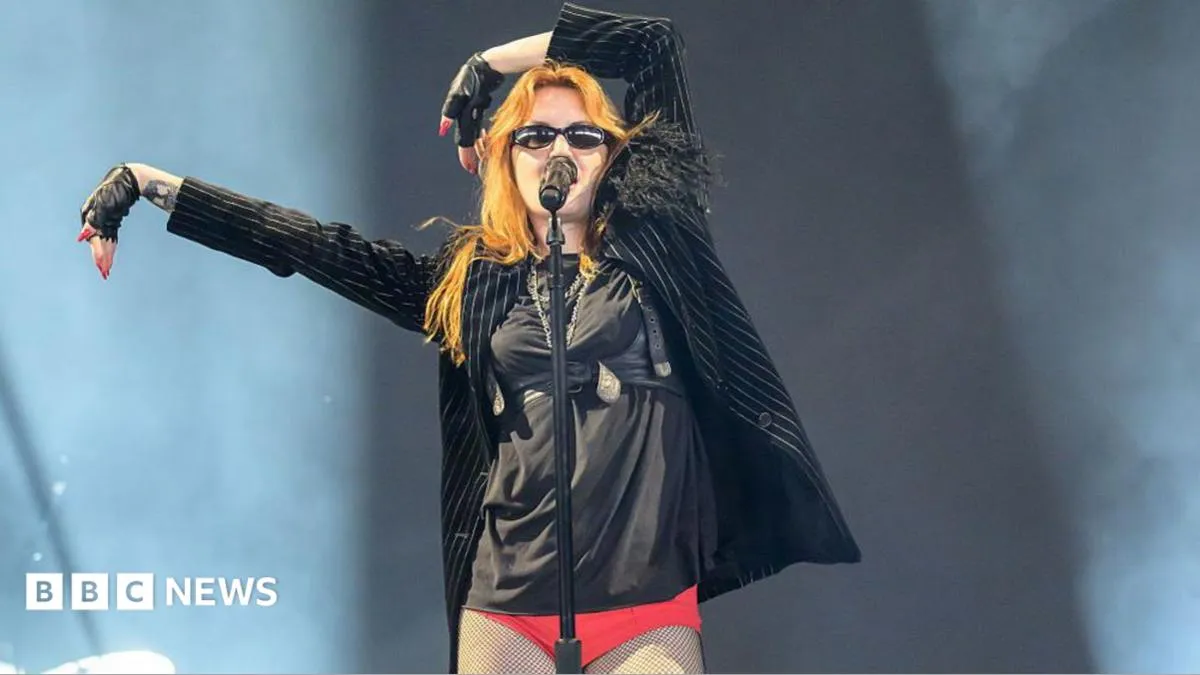
Los Angeles band Muna discusses disastrous gigs, how they build political action into music, and what “queer pop” means. For decision-makers, their story is a live case study in resilience, brand positioning, and audience trust under pressure.
Muna has a line that sounds like a joke until you remember it was happening in real time: “The dogs were getting upset.” In the BBC News entertainment piece, the band uses moments like that to describe their worst-ever gig and the chaos around it. The point is not just that the show went wrong. It is that the group survived the kind of live-pressure scenario most artists fear, then used the fallout to sharpen what they stand for.
If you are trying to understand why this matters beyond fandom, start with the band’s core theme: they are putting political action into music. That is the headline-level stakes of the story. A band can talk ideals in interviews, but a “disastrous gig” tests whether the mission holds up when the room is noisy, the crowd is restless, and everything that can go wrong does. Muna’s account frames these bad nights as part of the creative process. The disaster becomes raw material, not a reason to retreat.
This is where “queer pop” stops being a label and becomes a strategy. In the piece, Muna discuss the meaning of “queer pop.” That matters because pop is typically built for scale. Queer pop, as framed here, is pop that refuses to hide the politics. It is an artistic choice that changes how audiences interpret the music: less “just entertainment” and more “entertainment with a stance.” When you add the pressure of a worst-ever gig, you get a real-world stress test of identity branding. The band is not just asking listeners to enjoy; they are asking listeners to recognize and, implicitly, to participate in the larger cultural conversation.
From a business lens, a live performance is one of the few moments where a brand and a market collide at full volume. The band can plan setlists and rehearsals, but live shows carry variables they cannot fully control: crowd dynamics, venue conditions, sound issues, and yes, the kind of background disruption implied by dogs getting upset. That is why “survived their worst ever gig” is more than a touring anecdote. It demonstrates operational endurance. A group that can process a disaster and keep going is better positioned to manage future volatility, including the next backlash cycle, the next viral clip, or the next swing in public attention.
There is also an incentive structure hiding in plain sight. Artists who bake political action into music tend to attract listeners who want more than escapism. But they also risk friction with audiences or platforms that prefer neutrality. That is not a guarantee of controversy, but it is a real constraint. In that context, Muna’s discussion about queer pop is essentially about audience clarity. If your identity and politics are visible, people know what to expect. The “worst ever gig” becomes part of that clarity rather than a contradiction.
For executives and board-level operators in creative industries, the second-order implications are practical. When a brand leans into a political stance, you need internal alignment on what is non-negotiable and what is adaptable. The BBC piece shows the band treating messy moments as survivable rather than fatal. That is the difference between protecting the brand at all costs and learning without losing the plot.
There is a regulatory backdrop to all of this, even when the story does not focus on regulators by name. Music and performance ecosystems across markets are shaped by content policies, platform rules, and local venue standards. Even when regulations do not target artists specifically, they influence how shows get booked, how clips get moderated, and how audiences experience distribution. A politically charged pop act operating in that environment has to navigate both formal constraints and informal gatekeeping. Muna’s ability to remain coherent through a disastrous gig signals something boards care about: continuity of mission under compliance-adjacent pressure.
The strategic stake for peers is simple. Live performance is the highest-variance channel for a music business. If the worst gig does not break the act, it can strengthen the brand story: “We can take hits and still deliver meaning.” For founders, managers, and investor-minded operators, that is a signal about durability. Not just durability of bookings, but durability of narrative. Because in pop, the story sticks. And when that story is grounded in political action and queer pop identity, it can also become the differentiator that outlasts the noise from any one night.
This story's Key Insights and Take-aways are locked.
Create a free account to unlock Executive Actions for one credit.
Register to UnlockAlways free for Executives Club members. Join the Club
More in Entertainment
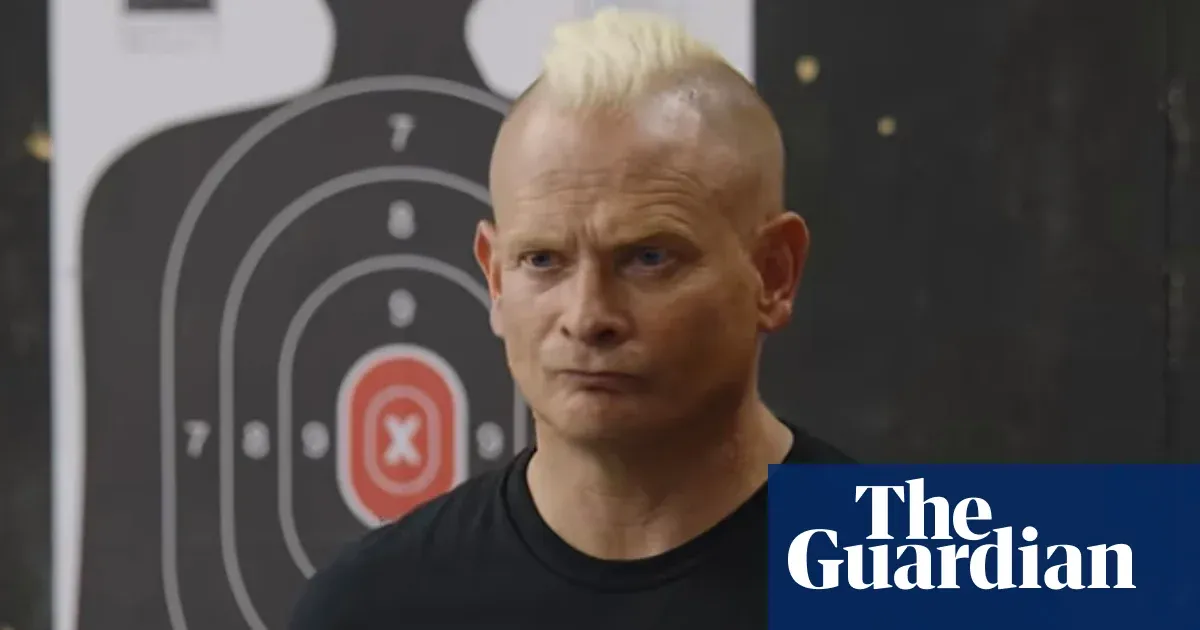
Ali G's 'stooge' says he was in on joke, outplayed Sacha Baron Cohen
A 54-year-old aspiring actor says he recognized Sacha Baron Cohen mid-shoot, kept his MAGA act up, and let the film-makers think they had fooled him.

Entertainer Russell Brand denies 7 sex charges amid accuser's 'couldn't breathe' claim
The alleged victim's account sharpens the reputational and legal stakes for Brand, his platforms, and any business tied to a public figure under criminal scrutiny.

Russell Brand's accuser 'bewildered and confused' as he denies 7 sex charges
The criminal case against the comedian is a live test of how media companies manage talent risk when serious allegations go public.