
Musk's SpaceX foundry promises gas turbines 18 months faster - but pollution lawsuits loom
The CEO's secretive in-house casting operation could reshape power markets, yet the fuel source is drawing legal and health scrutiny.
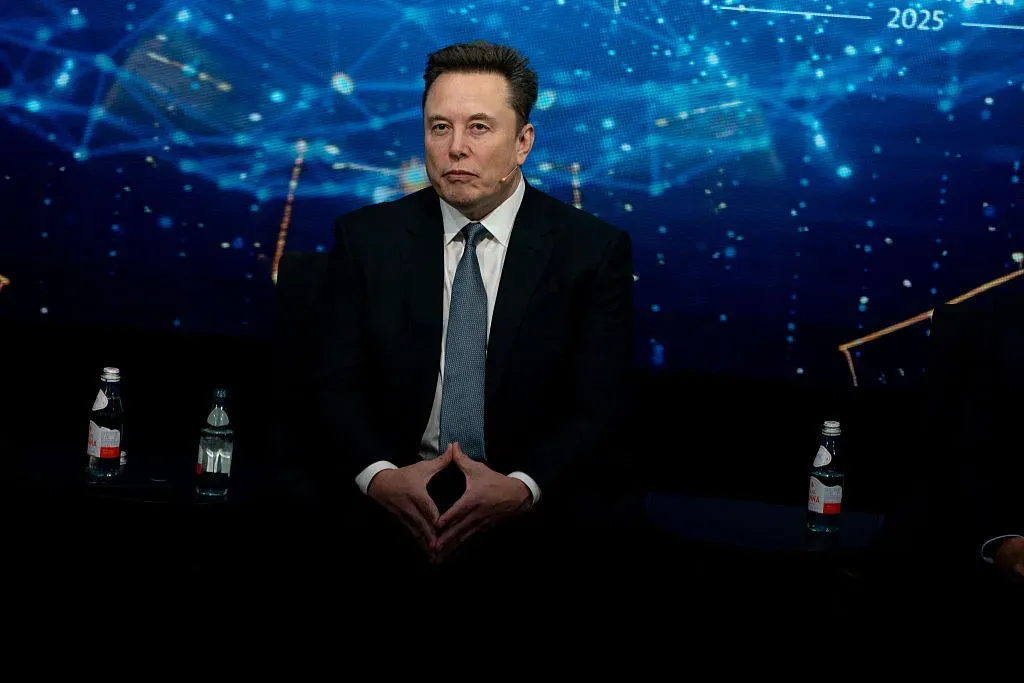
Elon Musk says a secretive new SpaceX foundry will let him cast turbine blades in-house, bringing gas power online 18 months faster than rivals. The move accelerates Musk's energy push but lands in a fuel source already facing lawsuits and health studies.
Elon Musk says a secretive new SpaceX foundry will let him cast his own turbine blades and get gas power online 18 months faster than anyone else, according to TechCrunch. That 18-month figure is the crux: it represents a dramatic compression of a supply chain that typically takes years, and it would give Musk a first-mover advantage in a power market desperate for new capacity.
The catch is the fuel source. Gas turbines are already triggering lawsuits and health studies everywhere his and others' turbines have gone in, the report says. The pollution problem is not a distant risk; it is showing up in courtrooms and epidemiological research near operating plants, and a faster deployment pipeline could multiply the number of sites facing scrutiny.
Turbine blades are the heart of a gas turbine, and they are notoriously hard to make. They require superalloys that hold up at temperatures near their melting point, intricate internal cooling channels, and precise casting processes that few suppliers have mastered. By building a foundry inside SpaceX, Musk is betting that the same metallurgical and manufacturing expertise that builds rocket engines can be turned to power-generation hardware.
The timeline advantage matters because gas power is in a strange moment. AI data centers are driving an explosion in electricity demand, and grid operators are scrambling to add capacity quickly. Natural gas is often the fastest option, but even fast-tracked projects face long lead times for turbines and components. If Musk can cut 18 months off that clock, he becomes a critical supplier for utilities, data-center developers, and independent power producers. The 18-month figure is not just a supply-chain metric; it is a strategic weapon in a market where every month of delay costs millions in lost revenue and grid reliability.
The pollution counterweight is real. Gas turbines emit nitrogen oxides, which contribute to smog and respiratory illness, along with carbon dioxide and other pollutants. The TechCrunch report notes that lawsuits and health studies are already following turbine installations, and communities near plants have raised concerns about air quality and water use. A faster path to more turbines could intensify those conflicts, especially in areas that have historically borne the brunt of fossil-fuel infrastructure. The health studies cited in the report are not academic exercises; they are already being used in litigation against plant operators.
For incumbent turbine makers, the threat is direct. GE Vernova, Siemens Energy, and Mitsubishi Heavy Industries have spent decades building supply chains, service networks, and regulatory relationships. A vertically integrated SpaceX foundry could undercut them on speed, if not on price, and it could also change the aftermarket dynamics, since turbine blades are a key replacement part. The incumbents are not standing still, but they are not used to competing with a company that lands rockets for a hobby. They also have deep pockets and long relationships, but they have legacy cost structures and slower decision-making.
The regulatory and political risk is the other side of the ledger. Permitting for gas plants is already contentious, and emissions standards are tightening in many jurisdictions. Even if Musk can deliver turbines faster, projects still need environmental reviews, local approvals, and grid interconnection agreements. A single high-profile lawsuit or health study could slow an entire project pipeline, and the 18-month advantage could evaporate in a year of legal wrangling. The political landscape is also shifting, with some states pushing to phase out gas while others are embracing it as a reliability backstop.
For executives and boards, the lesson is broader than turbines. Musk is using vertical integration as a speed weapon, applying SpaceX's manufacturing ethos to a completely different industry. The same approach that cut rocket costs could reshape power infrastructure, but it also carries reputational and legal exposure. The bet is not just about casting metal; it is about whether speed can outrun the social and regulatory costs of a contested fuel source. That is a question every energy executive will be watching.
This story's Key Insights and Take-aways are locked.
Create a free account to unlock Executive Actions for one credit.
Register to UnlockAlways free for Executives Club members. Join the Club
More in Technology

Google quietly links your phone number to every Android account on your SIM
Adding a SIM now ties your phone number to all Google accounts - and future accounts inherit it. Here's the security and privacy stakes.

Hijacker AI 'Skynet mode' runs 100,000 attack steps against exposed models
Symantec caught a criminal AI agent that borrows other models, steals data, and mines crypto; the only relief is no confirmed victims yet.

Nvidia's AI-financier shift faces its first big test as neoclouds stumble
A rout in neocloud stocks is forcing investors to weigh Nvidia's hidden exposure as both supplier and lender to the AI buildout.