
Musk: SpaceX lands $40B debt deal, warns some AI rivals face doom
The SpaceX CEO's debt raise and AI-chip rental push signal a capital war in AI infrastructure - here's what it means for competitors.
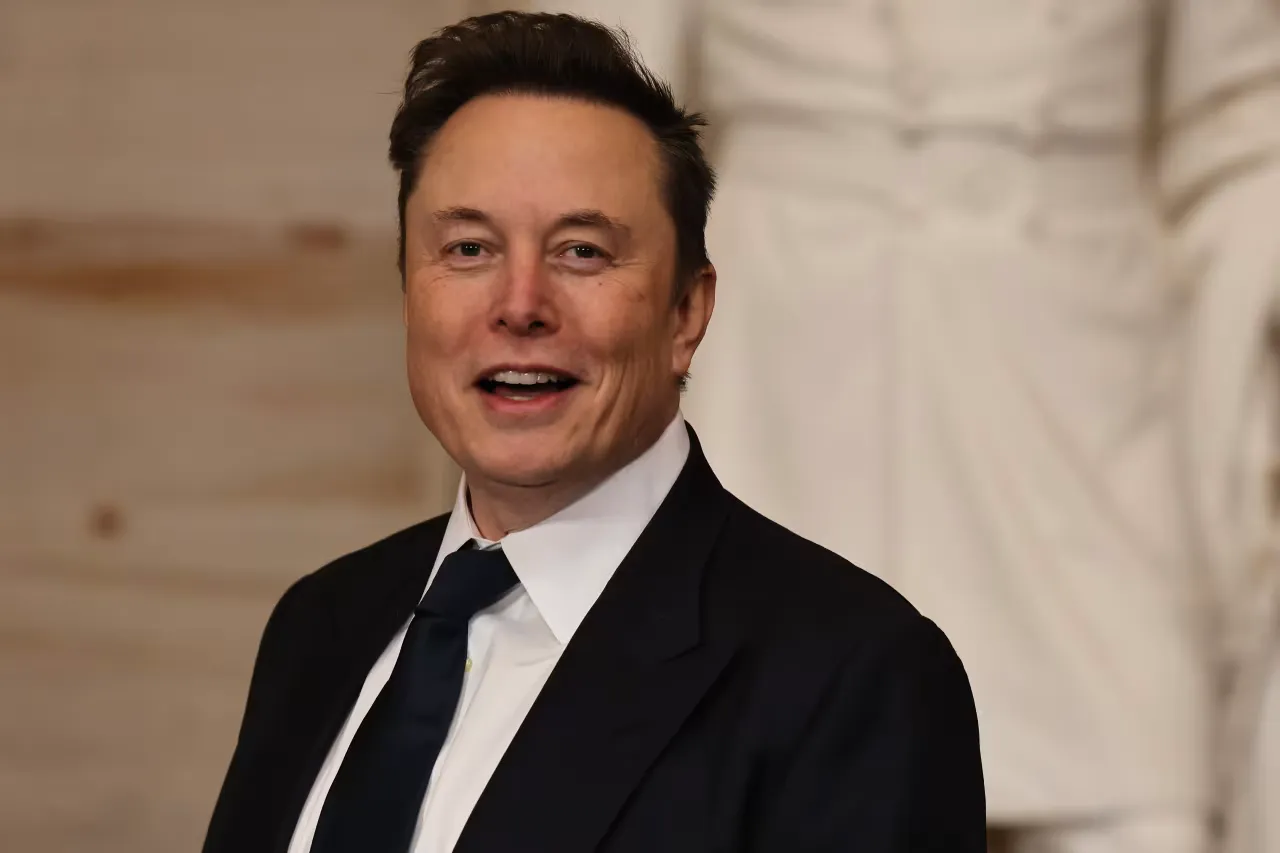
Elon Musk says SpaceX has secured a $40 billion debt deal, and he is forecasting doom for some AI rivals. The move underscores SpaceX's growing AI business, which rents access to advanced chips, and raises the stakes for any company betting on AI infrastructure.
Elon Musk says SpaceX has landed a $40 billion debt deal, and he is using the moment to predict trouble for some AI rivals. The SpaceX CEO's comments, reported by MarketWatch, frame the raise as a war chest for the company's fast-growing AI business, which rents out access to advanced chips. That number - $40 billion - is staggering for any private company, let alone one best known for launching rockets and satellites. It signals that SpaceX is no longer just a launch provider; it is becoming a serious player in the AI infrastructure race, where access to cutting-edge chips is the new oil.
For decision-makers, the first takeaway is scale. A $40 billion debt deal is not a typical growth round. It is a bet that AI compute demand will stay red-hot for years, and that SpaceX can capture a meaningful slice of it by renting out access to advanced chips rather than just using them internally. The company is effectively building a cloud-like business for AI workloads, competing with the likes of cloud giants and specialized GPU providers. Musk's forecast of doom for some AI rivals suggests he believes the capital intensity of this market will separate winners from losers - and that SpaceX intends to be on the winning side.
The AI chip rental model is attractive because it turns a massive capital expenditure into a recurring revenue stream. Companies that need compute for training or inference can rent access without committing to multi-year hardware purchases. That flexibility is valuable in a market where chip generations turn over quickly and demand forecasts are notoriously volatile. For SpaceX, the debt deal provides the upfront capital to buy chips in bulk, secure supply, and offer competitive rental pricing. For rivals, it raises the bar: if they cannot match that scale, they may be forced to partner, consolidate, or exit.
Musk's doom forecast is not just bluster. The AI industry has seen a flood of startups and infrastructure projects, many funded by venture capital and debt. As interest rates remain elevated and investors grow more selective, the cost of capital becomes a decisive factor. A company with $40 billion in debt capacity can outbid smaller players for scarce chips, negotiate better terms with suppliers, and weather demand troughs that would break a less capitalized competitor. That dynamic is already playing out in other capital-intensive industries, from telecom to data centers, and AI infrastructure is following the same playbook.
For boards and CFOs, the SpaceX move is a reminder that AI strategy is now a capital allocation strategy. The question is no longer just which model to deploy, but how to finance the compute behind it. Debt can amplify returns when demand is strong, but it also adds fixed obligations that can become dangerous if the AI cycle turns. Musk's confidence in the debt deal suggests he sees a multi-year runway, but the same deal could become a liability if chip prices collapse or rental demand softens. Executives should stress-test their own AI infrastructure plans against a scenario where capital gets more expensive and competition gets more intense.
There is also a regulatory angle. SpaceX operates in a heavily regulated industry, but its AI business may face less scrutiny than its rocket launches. However, as AI compute becomes a strategic resource, governments are paying attention. Export controls on advanced chips, national security concerns, and energy consumption are all potential flashpoints. A $40 billion debt deal could attract attention from regulators and policymakers who worry about concentration of AI power in a few hands. That is a risk Musk seems willing to take, but it is one that peers should monitor.
Finally, the news is a signal for the broader AI ecosystem. If SpaceX can raise $40 billion in debt, it suggests lenders still see AI infrastructure as a safe bet - or at least a bet worth making. That could unlock similar financing for other players, but it also means the bar for what counts as "well-capitalized" is rising. Startups that cannot access debt markets may find themselves at a disadvantage, and some may indeed face doom, as Musk predicts. For incumbents, the lesson is to think about AI compute as a strategic asset, not a line item. The companies that control the chips - and the capital to buy them - will shape the next decade of AI.
In short, SpaceX's $40 billion debt deal is more than a headline. It is a declaration that AI infrastructure is a winner-take-most game, and that Musk intends to play it at a scale few can match. For every CEO, CFO, and board member watching the AI race, the message is clear: the cost of compute is now a competitive weapon, and the time to secure your position is before the next round of consolidation begins.
This story's Key Insights and Take-aways are locked.
Create a free account to unlock Executive Actions for one credit.
Register to UnlockAlways free for Executives Club members. Join the Club
More in Business

A flaw in PHP just forced governments to pull their own sites offline
European agencies from Belgium to Germany took websites dark to patch a critical weakness in the language behind almost 70% of the web, and the blast radius extends far beyond government portals.

BioWare shuts down, Mass Effect 5 dead after $55B EA buyout
The legendary RPG studio's closure lands months after a $55 billion investment group buyout of EA, raising tough questions for gaming's biggest acquirers.
Musk weighs Tesla-SpaceX mega-merger as boards form review panels
Special committees at both companies will examine a tie-up that could fuse electric vehicles and space launch, forcing a fresh look at governance and valuation.