
Nadine Zylstra joins NPR as chief content officer from Pinterest, YouTube roots
A new public-media content leader with programming wins from Pinterest, YouTube, and Sesame Workshop steps into NPR’s next chapter.
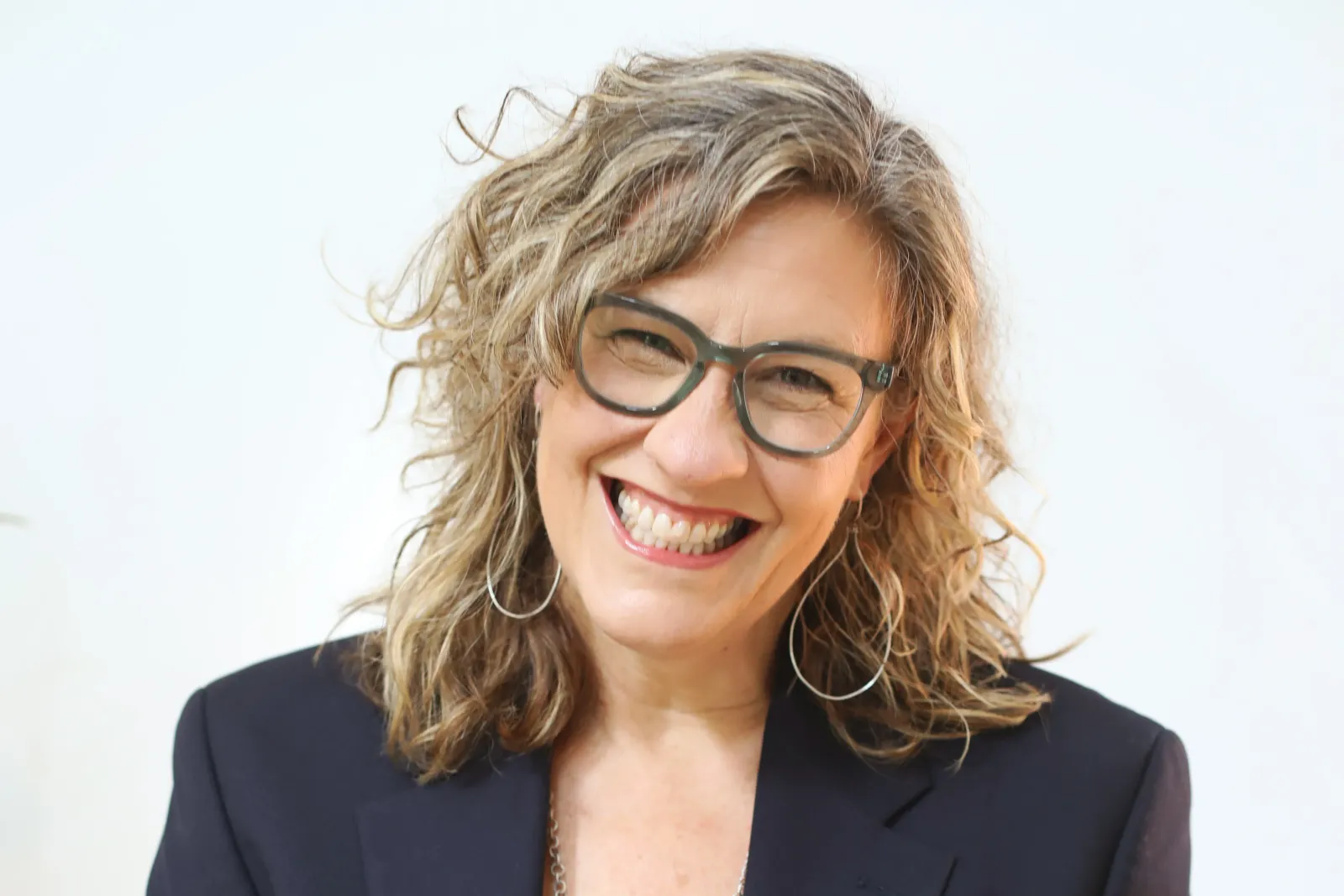
NPR has hired Nadine Zylstra as its chief content officer. Zylstra most recently led programming and original content at Pinterest, after earlier roles at YouTube and Sesame Workshop.
NPR is bringing in a content operator with a resume built for modern feeds. Nadine Zylstra is set to join NPR as chief content officer, trading her most recent Pinterest leadership role for the public-media world. At Pinterest, she served as global head of programming and original content, a job that sits right at the intersection of distribution and storytelling: what people see, why they click, and how content becomes a habit.
That background matters because Zylstra is not just moving companies, she is moving systems. The source positions her as a “seasoned media exec” with top programming jobs at YouTube and Sesame Workshop before Pinterest. Those earlier stops matter for a simple reason: both YouTube and Sesame Workshop are experienced at turning attention into audience. YouTube does it at internet scale, where discovery and retention are survival tools. Sesame Workshop does it with a mission, where trust and repeat engagement drive long-term impact. NPR’s content strategy, like it or not, has to live in the same attention economy even if it operates on a different funding and distribution model.
So what does a Pinterest and YouTube-influenced hire signal for NPR? Start with the role. “Chief content officer” is a title that typically pulls together decisions that usually splinter across teams: what formats NPR invests in, which programs get promoted, how originals are developed, and how content is packaged for different platforms. For an organization like NPR, that can mean rebalancing editorial priorities with audience growth goals. Public media has long been judged on mission alignment and quality. Increasingly, it is also judged on reach, especially when commercial platforms control so much of the mainstream discovery pipeline.
Zylstra’s path also hints at a particular skill set: designing programming for platforms where users actively choose what to consume. Pinterest is a “planning and saving” engine. YouTube is a “watch next” and “recommendation” engine. Sesame Workshop has a track record of producing content that keeps kids and caregivers coming back. The common thread is not the channel. It is content thinking that treats distribution as part of the product.
This becomes more consequential when you zoom out to how public media competes today. Many public-media organizations are navigating tighter budgets, changing listener behavior, and the constant question of how to extend impact without losing credibility. The second-order implication of hiring someone from the tech-adjacent content world is that boards and executives may expect sharper performance management. Not in the crude sense of “more views at all costs,” but in the smarter sense of building a content engine that can defend itself with audience, engagement, and relevance across formats.
There is also a governance angle. A hire like this usually arrives with internal debates. Editors often worry that platform-optimized thinking can drift into click-chasing. Growth leaders often worry that mission without modern packaging turns into irrelevance. Zylstra’s resume spanning Pinterest, YouTube, and Sesame Workshop suggests she is at least conversant in those tradeoffs. The source says she will join NPR as chief content officer, with the most recent role as Pinterest’s global head of programming and original content. That kind of job is not usually for someone who treats content as a static library. It implies an operator who understands how programming choices translate into audience results.
Finally, there are strategic stakes for anyone in content leadership at mission-driven organizations. NPR’s move is a reminder that the “public media” lane is not isolated from the attention economy. When an executive who ran global programming and original content at Pinterest steps into a top role at NPR, it suggests that content strategy at public institutions is increasingly platform-aware. For peers, boards, and investors in adjacent spaces, the question becomes: will this bring NPR closer to a repeatable digital growth model, while still protecting the editorial and cultural standards the brand relies on?
For decision-makers, the practical takeaway is simple. Hiring a chief content officer from a global programming and original content background signals that NPR is prioritizing content leadership with modern platform instincts. If done well, it can strengthen how NPR discovers and retains audiences across channels. If done poorly, it can trigger internal misalignment between editorial intent and distribution tactics. The appointment, as described in the source, is the move. The next test is whether NPR can translate that experience into a content strategy that grows reach without compromising what makes it NPR.
This story's Key Insights and Take-aways are locked.
Create a free account to unlock Executive Actions for one credit.
Register to UnlockAlways free for Executives Club members. Join the Club
More in Entertainment

Christopher Nolan’s “The Odyssey” posts his biggest Tuesday haul, surpassing “The Dark Knight’s” record
The film’s Tuesday breakout reframes Nolan’s box-office ceiling and forces competitors to rethink timing, budgets, and release strategy.

Kacey Musgraves cancels Aug. 20, 29, Sept. 2 Middle of Nowhere shows
Ticketmaster emails are telling fans refunds are coming, while the tour still starts Aug. 21 in Chicago.

Billie Joe Armstrong launches Epiphone Les Paul Junior and Marshall 1959BJA signature gear
Two limited releases turn decades of Green Day’s tone into branded hardware, including Marshall’s first artist amp in 14 years.