

NASA hands SpaceX $950M for 3 more crewed ISS flights
The contract extension locks in three additional Dragon missions, deepening NASA's reliance on SpaceX for crew transport.
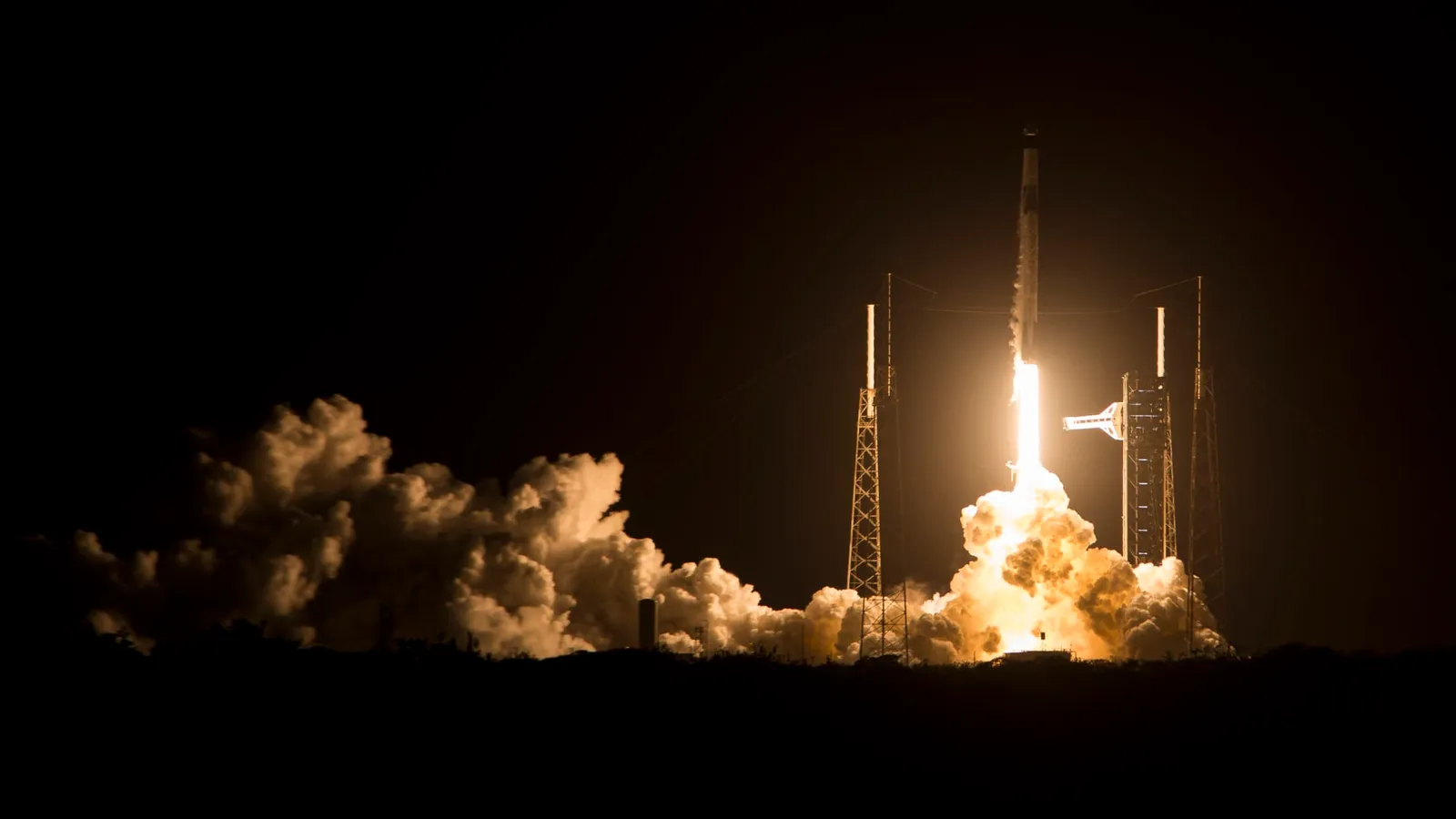
NASA awarded SpaceX a $950 million extension to its Commercial Crew contract, covering three additional crewed Dragon flights to the ISS. The move extends SpaceX's run as NASA's primary crew transport provider and gives the agency more schedule certainty.
NASA is paying SpaceX $950 million to add three more crewed Dragon flights to the International Space Station, extending an existing Commercial Crew contract. The award adds three missions to the company's current manifest, bringing fresh funding to the vehicle that has been the backbone of U.S. crew access to orbit since SpaceX's first astronaut flight in 2020.
The extension does not change the core terms of the original deal; it simply increases the number of flights NASA has purchased. That means SpaceX will keep flying astronauts to the ISS for years to come, while NASA gets a proven ride without having to run a new competition. It is a direct modification to an existing contract, not a new procurement, which speeds up the process and reduces administrative risk for both sides.
For context, NASA's Commercial Crew program was created after the space shuttle retired, with the goal of ending U.S. dependence on Russian Soyuz capsules. In 2014, NASA selected both SpaceX and Boeing to build crew vehicles, but the two programs have diverged sharply. SpaceX has flown regular rotation missions to the ISS since 2020, while Boeing's Starliner has faced a longer road to operational status. This extension effectively cements SpaceX's position as NASA's go-to crew provider, a role that now looks secure for the foreseeable future.
For SpaceX, the $950 million is a meaningful addition to its government revenue stream, though it is small relative to the company's broader ambitions. The company also operates the Starlink satellite internet network and is developing the Starship rocket for deep-space missions. The crew contract provides a steady, predictable source of income that helps fund those efforts. It also keeps the Crew Dragon production line and launch operations running smoothly, which matters for a company that relies on high flight cadence to drive down costs.
For NASA, the deal provides schedule certainty at a time when the agency is managing multiple priorities, from the Artemis moon program to the eventual deorbit of the ISS. Having a proven crew vehicle under contract reduces risk and avoids the uncertainty of a new procurement. It also gives NASA leverage in future negotiations with other commercial partners, because the agency is not desperate for a single provider. The extension is a quiet but strategic move that stabilizes the human spaceflight pipeline.
The broader lesson for executives is that reliability compounds. Government agencies, like any customer, tend to reward suppliers who deliver on time and without drama. SpaceX has built a reputation for doing exactly that, and this extension is the payoff. Competitors looking to break into the crew transport market will need to show a similar track record, not just a compelling proposal. The same dynamic plays out in any industry where trust and execution are hard to replicate.
The $950 million award is not a flashy headline, but it is a quiet, powerful vote of confidence. It tells you who NASA trusts with its astronauts, and it tells you where the agency expects to be for the next several years. For anyone watching the business of space, that is worth more than a rocket launch.
This story's Key Insights and Take-aways are locked.
Create a free account to unlock Executive Actions for one credit.
Register to UnlockAlways free for Executives Club members. Join the Club
More in Technology
Google quietly links your phone number to every Android account on your SIM
Adding a SIM now ties your phone number to all Google accounts - and future accounts inherit it. Here's the security and privacy stakes.
Hijacker AI 'Skynet mode' runs 100,000 attack steps against exposed models
Symantec caught a criminal AI agent that borrows other models, steals data, and mines crypto; the only relief is no confirmed victims yet.
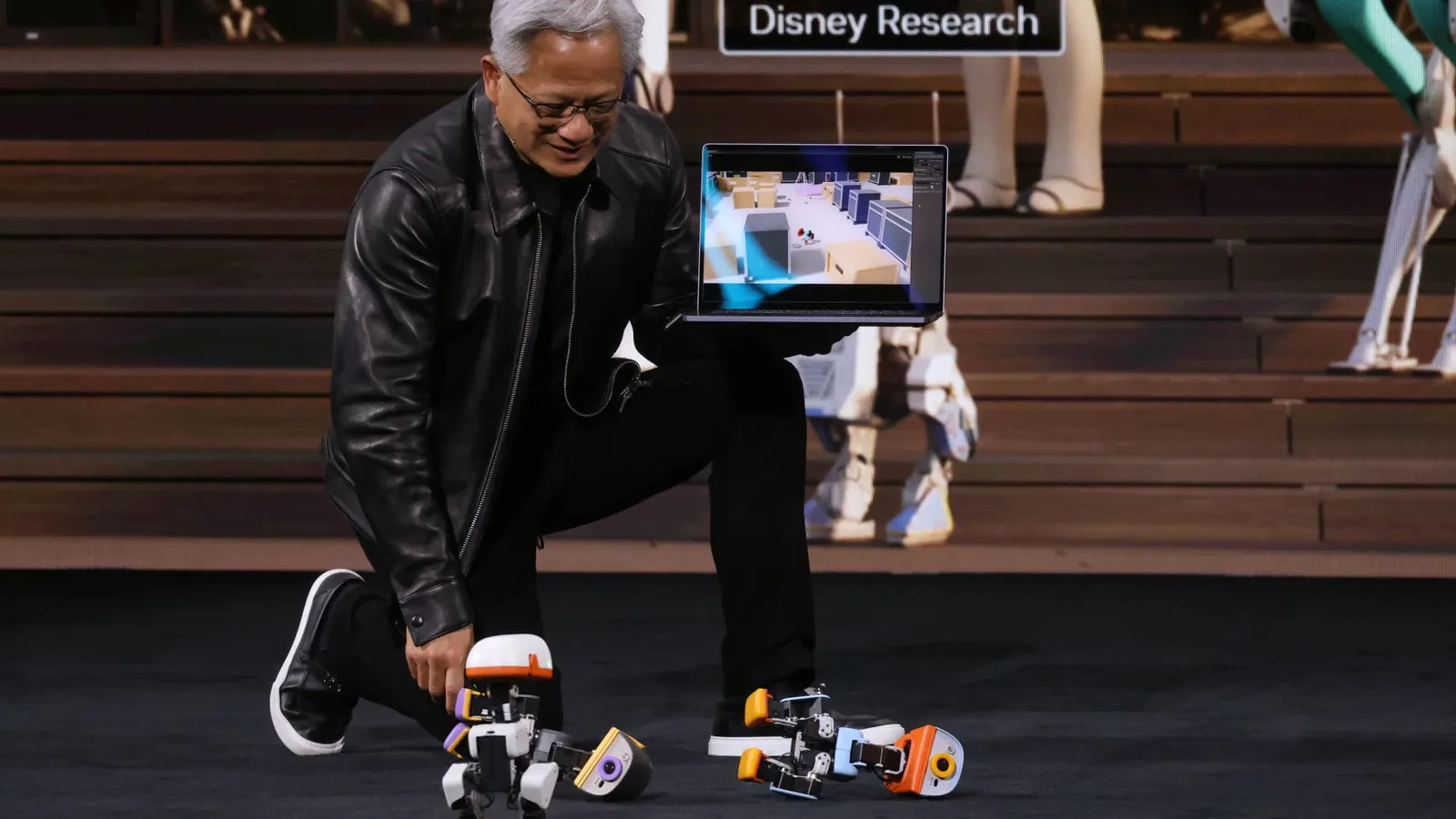
Nvidia's AI-financier shift faces its first big test as neoclouds stumble
A rout in neocloud stocks is forcing investors to weigh Nvidia's hidden exposure as both supplier and lender to the AI buildout.