
NASA recruits volunteers for a year-long Mars simulation inside Moon & Mars analog
What it looks like to run a mission where boredom, confinement, and systems risk are the main adversaries.
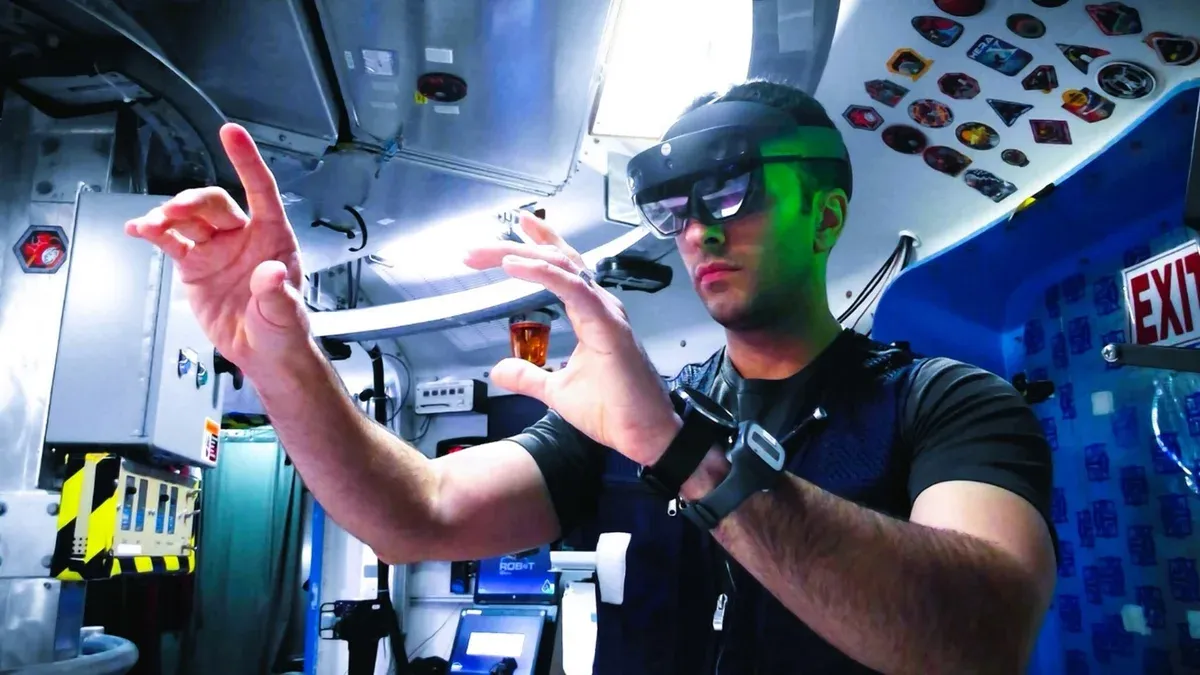
NASA is calling for volunteers to take part in its Moon & Mars Exploration Analog, a program designed to recreate the challenges of a long-duration space mission. For decision-makers, it signals how NASA is stress-testing operations, readiness, and human factors before hardware and timelines fully lock.
NASA has put out a call for volunteers to spend a year locked in a Mars simulation. The agency is running its Moon & Mars Exploration Analog, an effort built to recreate the pressures and practical headaches of a long-duration space mission, not just the sci-fi parts.
This is the kind of recruitment notice that can feel niche until you zoom out. NASA is essentially building a controlled environment where the mission is the variable, and the people are the test instrument. A year in simulation is long enough for routines to settle, for friction to show up, and for systems problems and human limits to stop being theoretical. The point is to capture what breaks, what degrades, and what holds up when the mission clock never stops.
For executives, the interesting angle is that this is not only about “fitness for space.” It is about operational realism. Long-duration missions create compounding constraints: limited time windows to do critical tasks, the need to maintain equipment continuously, and the reality that human performance is not a constant. Analog missions try to reproduce that blend, so teams can learn how procedures, communication, and decision-making behave under sustained stress.
Programs like NASA’s analogs also matter because they sit in the gap between lab success and mission-day reality. Companies building spacecraft components, habitats, software, and life-support subsystems usually get evaluated through performance metrics: pressure retention, power budgets, data integrity, and so on. But mission success depends on the messy middle between those metrics and day-to-day operations. A habitat that works in principle can still fail operationally if workflows are too brittle or if maintenance depends on unrealistic conditions. By spending a year in an environment that mirrors Moon and Mars exploration challenges, NASA is trying to surface operational lessons that do not show up in short tests.
There is also a quiet governance implication here. When a regulator or government agency runs a mission-adjacent human-systems program, it strengthens the institution’s ability to justify timelines, operational readiness, and risk controls with evidence that is difficult to dispute. Even without public details in the source, the structure of an analog program signals that NASA wants repeatable learnings, not anecdotes. Volunteers become part of a dataset that can inform procedures, training, and how mission managers plan for the inevitable deviations that happen after launch and after the initial excitement fades.
Second-order implications extend into the broader space ecosystem. Long-duration mission planning is a coordination game: mission control, flight ops, engineering teams, training providers, and vendors all have to align on what “good” looks like when reality intrudes. If NASA’s analog identifies specific operational bottlenecks, vendors can prioritize interfaces, workflows, and tooling that make those bottlenecks easier to manage. Boards at space companies should care because human factors and operations readiness translate into schedule risk and cost risk. Anything that reduces the chance of expensive redesigns later is not just helpful, it is capital-protecting.
And for founders and operators, the timing matters. NASA is publicly calling for volunteers for this Moon & Mars Exploration Analog now, which tells you the program is not just exploratory. It is an active pipeline of learning that supports ongoing mission planning. In an industry where timelines are constantly renegotiated, any program that compresses uncertainty tends to become a reference point for partners. Today’s analog lessons can influence training standards, operational playbooks, and how teams rehearse what happens when conditions are unforgiving.
Bottom line: NASA’s year-long Mars simulation via its Moon & Mars Exploration Analog is a direct attempt to turn long-duration mission uncertainty into something more measurable. If you are building for the next wave of exploration, this is a reminder that the hardest part is not only getting the technology to function. It is getting humans and systems to function together, consistently, for months and years on end. That is the strategic stake behind a recruitment call that might look small at first glance, but is actually aimed at the core of mission readiness.
This story's Key Insights and Take-aways are locked.
Create a free account to unlock Executive Actions for one credit.
Register to UnlockAlways free for Executives Club members. Join the Club
More in Science
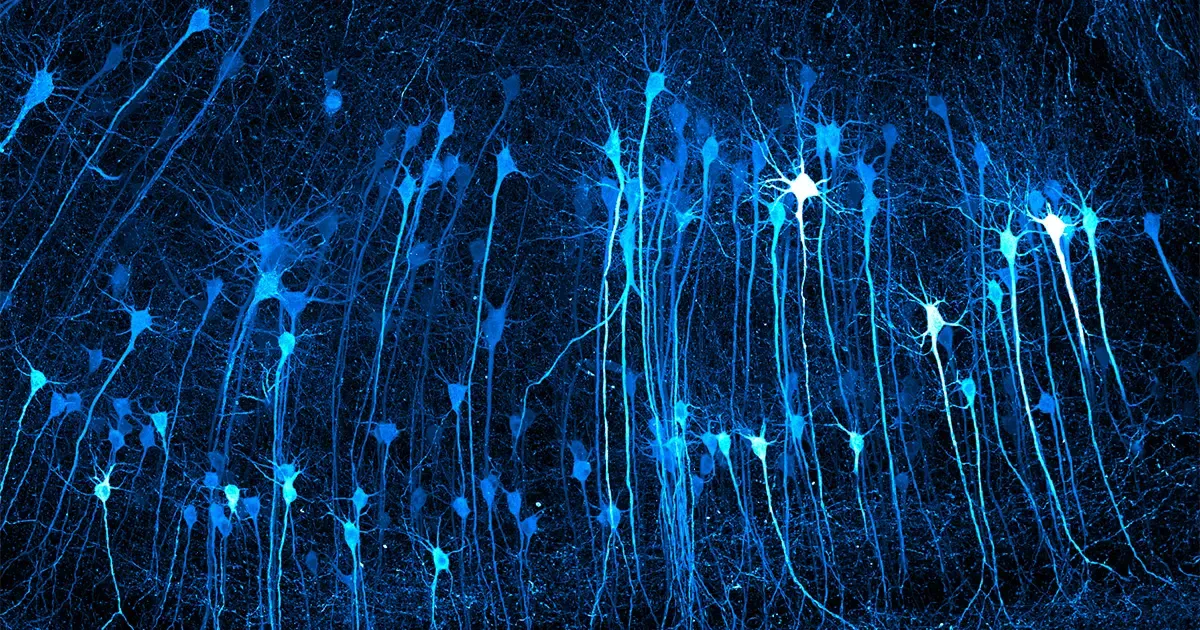
2026 Nikon Small World Winners Reveal the Hidden Machinery of Everyday Life
A mycologist's frozen Edinburgh garden became the backdrop for vivid views inside cells, a reminder of what advanced imaging now makes visible to researchers and the industries built on biology.
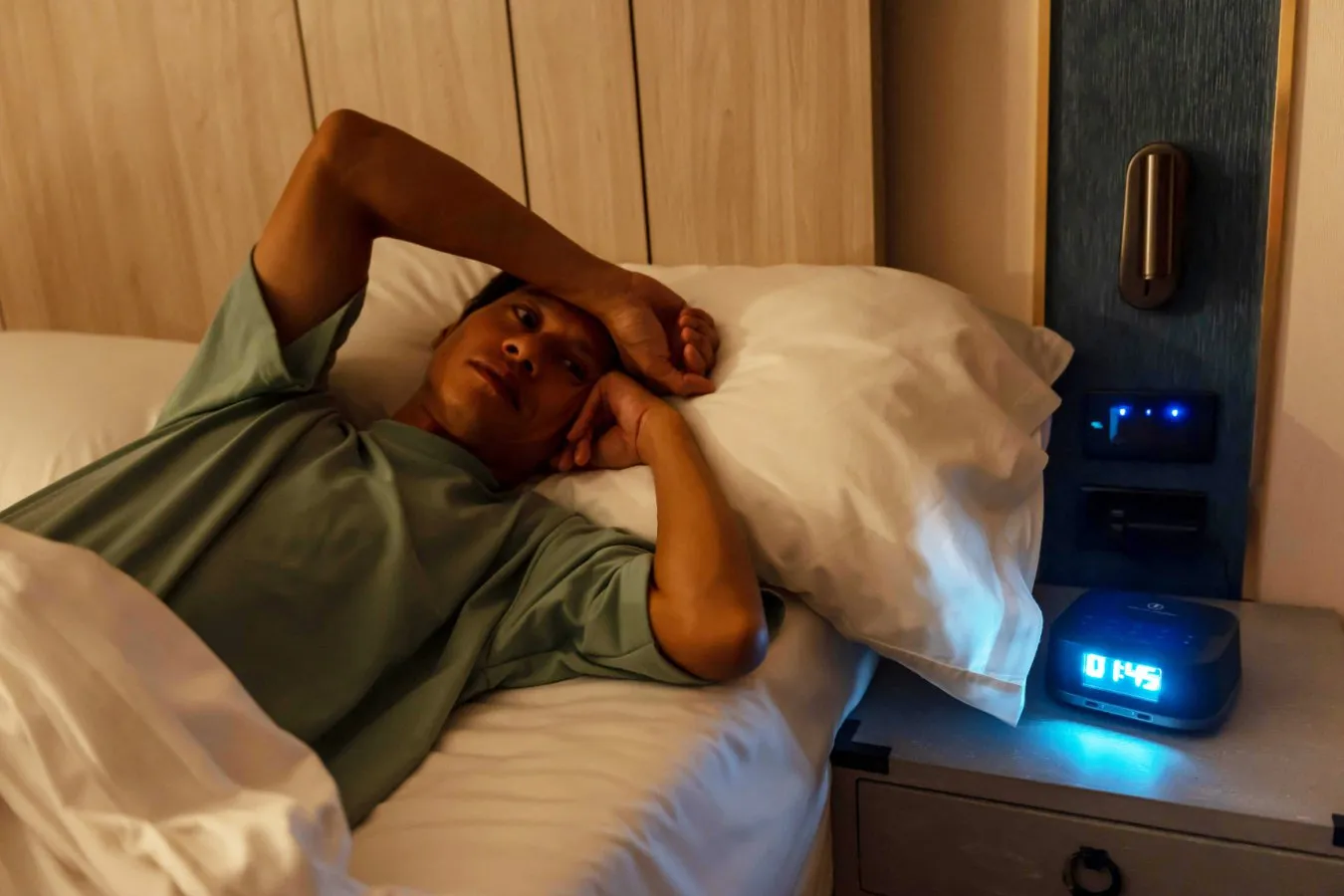
Study: 1 in 4 depression cases may be a body-clock problem, not a chemical one
A 10,000-person study finds standard antidepressants often fail these patients, but melatonin and morning sunlight may hit the real root cause.

Start-Up Says A.I. Designed a Virus to Attack One Patient's Superbug
If the claim holds up, personalized phage therapy could become a new frontline weapon against antibiotic resistance - but proof is far from final.