
NASA sets a 0.1 mg/m³ Martian dust limit for up to 30-day missions
The new NASA-STD-3001 requirement ties habitable-air exposure to a 24-hour time-weighted average, with peak spikes handled.
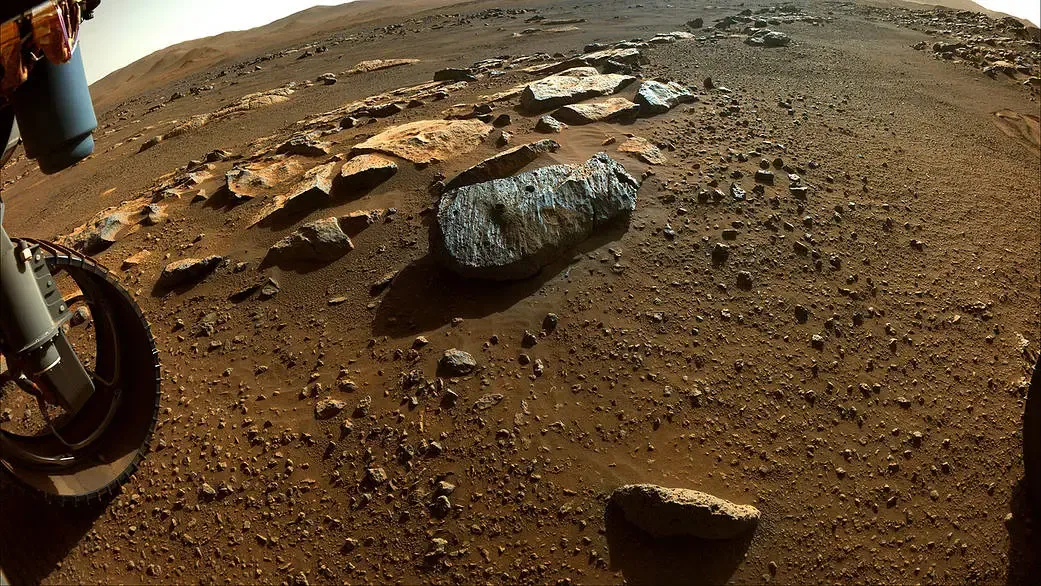
NASA’s Martian Dust Limit Working Group, including JSC Lunar and Martian Dust Risk Custodian roles and OCHMO standards leadership, drafted an initial Mars dust Permissible Exposure Limit for incorporation into NASA-STD-3001. For mission decision-makers, this becomes the baseline engineering and medical guardrail for habitat environmental control and EVA planning.
NASA is putting a number on the invisible hazard: a 0.1 mg/m³ limit for Martian dust in habitable atmospheres, applying to exposures lasting up to 30 days. The requirement, prepared by the Martian Dust Limit Working Group and intended for NASA-STD-3001 NASA Spaceflight Human-System Standard, Volume 2: Human Factors, Habitability, and Environmental Health, specifies particles less than 10 μm must be kept below a 24-hour time-weighted average during those mission scenarios.
This isn’t a casual “safety first” note. The working group explicitly framed the 30-day continuous PEL as reasonable and appropriately conservative for early short-stay missions, anchoring the value to the established lunar 30-day PEL of 0.4 mg/m³ and then reducing it by a 3x database uncertainty factor. That reduction is meant to cover gaps in knowledge about Martian dust toxicity, plus the fact that Martian dust is expected to differ from lunar dust in ways that matter for health risk, including higher iron content, amorphous constituents, and differences between simulants and actual dust. Put plainly: NASA is using a conservative proxy model to set a defendable cap now, because authentic Martian airborne dust samples have not been returned to Earth.
Why does this matter beyond the lab? Because dust limits become mission design constraints. In the two February 2026 working sessions, panel members reviewed mission architecture drivers, including Extravehicular Activity (EVA) cadence, dust ingress characteristics, and how habitat environmental control systems perform. The group treated these as coupled variables, not separate problems. If EVA schedules change, if suits shed dust differently at ingress, or if filtration and air handling are tuned differently, then exposure profiles change. A limit that is conservative, verifiable, and adaptable as Mars architecture evolves is the point, and the panel leaned toward standards that can be checked using measured time-weighted averages rather than assumptions tied to fixed dust clearance rates across different spacecraft designs.
The working group also got specific about “what in the dust” deserves attention, because overall dust mass is the primary near-term engineering concern, but the chemistry can still steer risk. They discussed chromium 6+, manganese, and perchlorate as low-risk in the context of inhaled Martian dust, assuming the overall dust PEL is applied. Perchlorate, though, was flagged for broader agency-level exposure management across multiple intake routes, including ingestion scenarios tied to in situ crop growth. That’s a key operational takeaway: a limit for inhalation is not the whole health story once life support introduces other ways contaminants can move into crews.
Iron drew the most detailed discussion. Martian regolith is iron-rich, and iron can generate Reactive Oxygen Species (ROS). Yet the panel noted that current toxicology shows no clear link between iron-driven ROS and pulmonary harm. Still, knowledge gaps pushed iron into the “prioritize for further study” bucket, including potential Spacecraft Maximum Allowable Concentration (SMAC) development. Arsenic, by contrast, was judged unlikely to pose meaningful risk at present.
Another decision point for executives and systems leaders is how to implement standards when you have multiple constituents. The panel evaluated whether independent SMACs are warranted. Based on rover observations indicating predominantly trivalent chromium, low airborne perchlorate, and manganese concentrations well below conservative SMAC thresholds at the proposed PEL, the group agreed that an overall dust limit is likely sufficiently protective for expected 30-day missions. However, they recommended keeping constituent-specific SMACs for select constituents such as perchlorate and manganese for mission-planning crosschecks. The logic is pragmatic: the overall PEL approach is favored for practicality and clarity, while SMACs remain useful where they add tangible operational value.
Finally, the group refined the technical language so teams can actually use it during design, verification, and risk communication. They recommended that the limit apply to a specified time-weighted average measurement period but be explicit that the protection applies during continuous exposure. They also encouraged peak-exposure management within the rationale, acknowledging that near-term exposures will be peak-driven, for example after EVA suit ingress. Uncertainties related to iron content, nanophase iron, and oxidative potential were highlighted so future revisions can incorporate emerging scientific insight.
The new requirement established for NASA-STD-3001 is clear: [V2 6253] “The system shall limit the concentrations of Martian dust particles less than 10 μm in size in the habitable atmosphere below a 24-hour time-weighted average of 0.1 mg/m3 during exposure scenarios lasting up to 30 days in duration.” The working group’s bottom line is a balancing act: conservatism against operational feasibility, in the face of scientific and architectural uncertainty. As additional Martian data and toxicological research become available, the standard should be periodically revisited to keep crew health protected during human exploration of Mars.
If you are running a mission, leading a human-systems program, or underwriting habitat and EVA planning, this is the baseline your teams will calibrate to. It also sets a template other agencies and mission designers will watch: how quickly you translate incomplete planetary evidence into enforceable limits, and how you design verification pathways that do not collapse the moment the architecture changes.
This story's Key Insights and Take-aways are locked.
Create a free account to unlock Executive Actions for one credit.
Register to UnlockAlways free for Executives Club members. Join the Club
More in Science
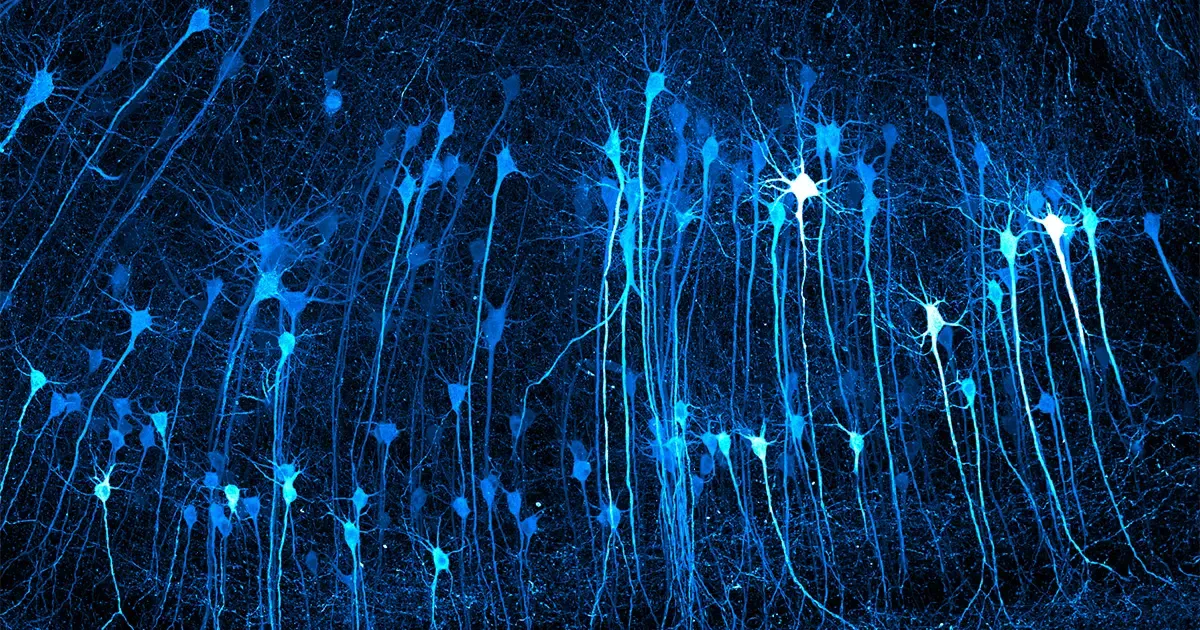
2026 Nikon Small World Winners Reveal the Hidden Machinery of Everyday Life
A mycologist's frozen Edinburgh garden became the backdrop for vivid views inside cells, a reminder of what advanced imaging now makes visible to researchers and the industries built on biology.
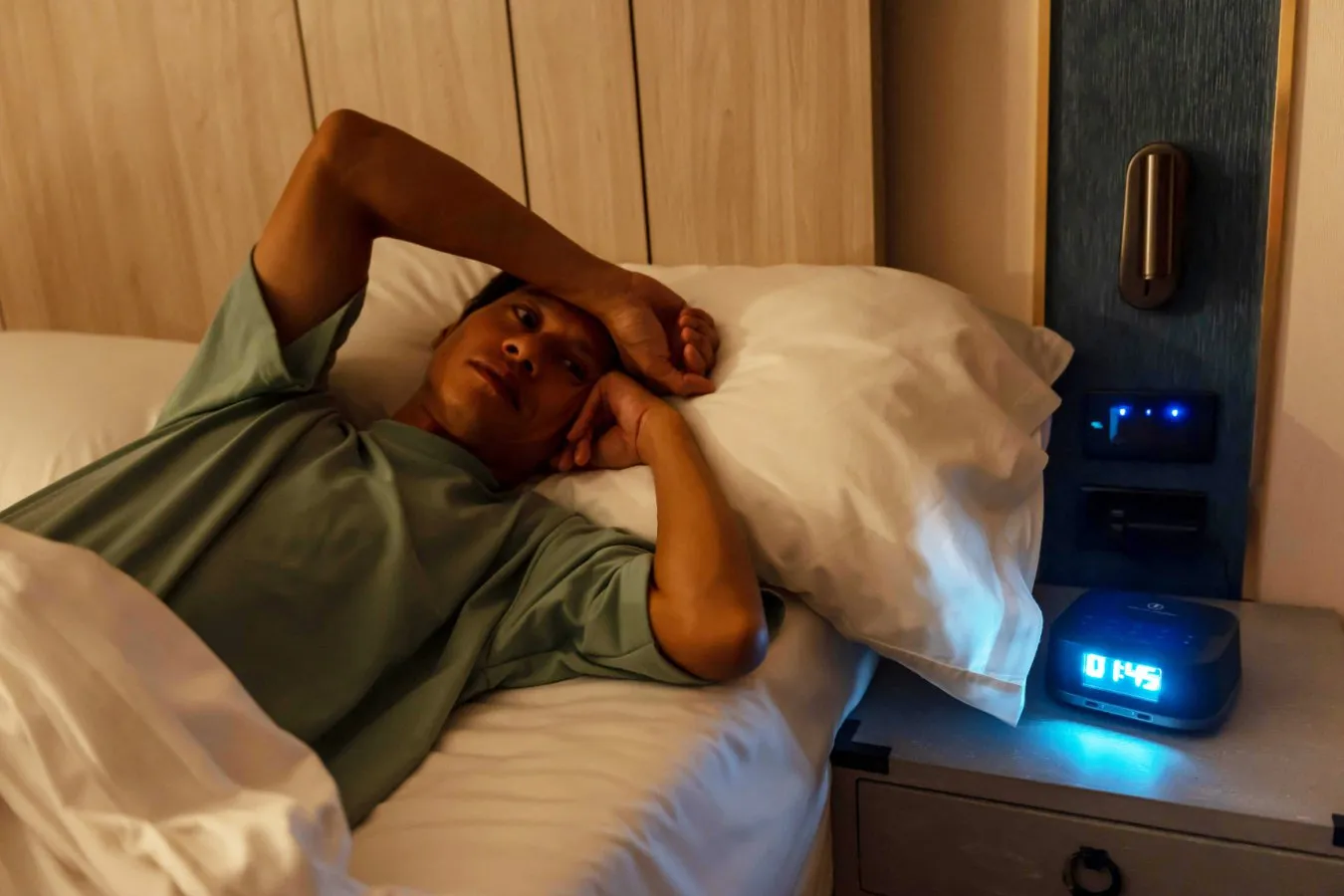
Study: 1 in 4 depression cases may be a body-clock problem, not a chemical one
A 10,000-person study finds standard antidepressants often fail these patients, but melatonin and morning sunlight may hit the real root cause.

Start-Up Says A.I. Designed a Virus to Attack One Patient's Superbug
If the claim holds up, personalized phage therapy could become a new frontline weapon against antibiotic resistance - but proof is far from final.