
NATO’s Ankara mood swing: can it move beyond “keeping Trump happy”?
The alliance’s real challenge is political leverage, not military planning, and it hits decision-makers in Washington and Ankara first.
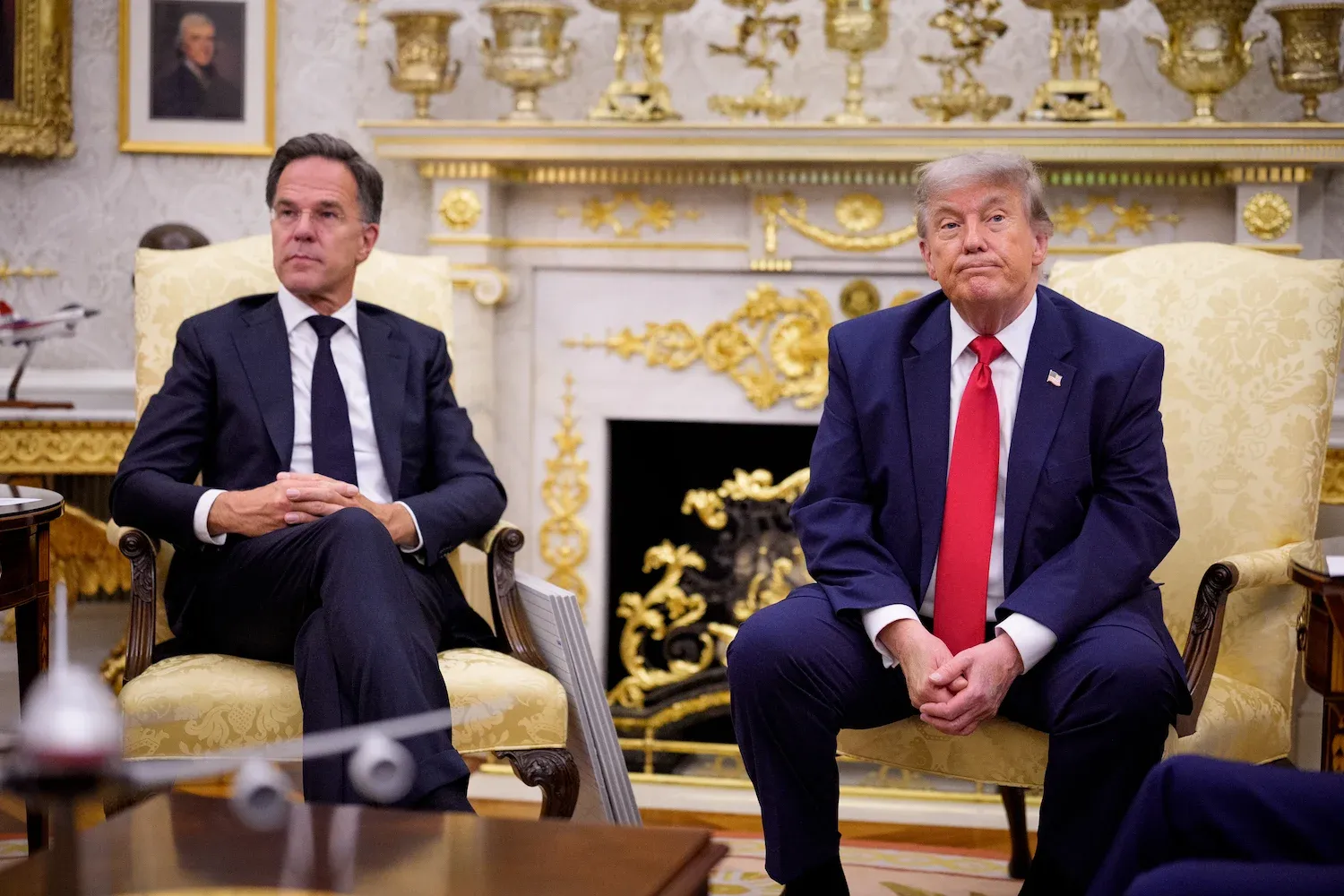
Foreign Policy frames a knot in NATO politics: whether the alliance can move past an apparent need to keep Trump happy. The consequence is bigger than any single meeting, because it shapes how NATO makes decisions under US political pressure.
Foreign Policy’s prompt, “Angsty in Ankara,” is basically a question with teeth: can NATO move past a need to keep Trump happy? That is the tension in the room, and it is the kind that changes outcomes even when the brief says “military readiness” or “strategic alignment.”
The issue is not that NATO lacks serious problems. It is that NATO is also a political machine, and political machines run on incentives. If the alliance believes it must continually calibrate decisions to keep one US political actor satisfied, then the center of gravity shifts. Commitments that would normally be negotiated among allies start to look like they are being managed for optics in Washington. Ankara, understandably, shows the strain when that dynamic plays out, because Turkey is a NATO member with its own security agenda and its own leverage.
To understand why this matters, it helps to remember how NATO decision-making tends to work. Even when NATO is coordinating military posture or responding to threats, it still requires political buy-in from member states. Alliances are not just about capability. They are about legitimacy, unity, and the credibility of pledges. When a major ally effectively becomes a moving target, internal alignment becomes harder. The alliance has to balance operational urgency with the political reality that the United States can swing its attention. And when you are a member state like Turkey, your security calculations do not pause just because Washington’s domestic politics change tempo.
This is where the “keeping Trump happy” framing becomes consequential. It implies that NATO might be optimizing for the preferences of a specific US political figure rather than for alliance-wide strategy. The second-order effect is subtle but powerful: it can turn NATO from a shared project into a series of bilateral performances. That can slow down collective problem-solving. It can also encourage other members to hedge, because if NATO planning is perceived as contingent on a particular US mood, then each government has to worry about being left holding the bag when the mood changes.
There is also a broader market and regulatory backdrop that tends to follow these political patterns. Defense and security policy is not isolated from economics. Budgets, procurement, and cross-border cooperation are all tied to political stability and predictable alliance behavior. When decision-makers believe the alliance’s posture is driven by near-term political considerations, it increases uncertainty for long-term planning. That uncertainty can affect industrial partners that rely on governments for contracts, and it can influence how institutions in the defense ecosystem structure timelines, compliance, and partnerships.
Meanwhile, Ankara’s “angst” is not just emotional theater. Turkey’s position inside NATO has historically mixed security cooperation with friction. Turkey’s regional priorities and relationships with actors outside NATO can create stress even when the alliance is trying to present a unified front. So when Foreign Policy signals that NATO may be stuck in a mode of accommodating Trump-linked political expectations, the practical question for Ankara becomes: does NATO treat Turkey as a strategic partner with shared responsibilities, or as a variable to be managed so US politics do not destabilize the alliance?
For executives, investors, and board members watching geopolitical risk, this is a governance problem in disguise. NATO is a multi-country coalition with major financial and strategic implications. If political incentives dominate strategy, then the risk profile of alliance-linked decisions changes. Companies that operate across defense supply chains, energy corridors, and compliance-heavy markets can face sudden shifts in policy priorities. Regulators may also react to instability with more documentation, more review, more friction. None of that is automatic, but uncertainty reliably creates paperwork.
The stakes, then, are strategic. If NATO cannot move past the need to keep Trump happy, the alliance risks trapping itself in a cycle where internal unity is continuously negotiated against external political demands. That means less room for long-term planning, more bargaining, and potentially more fragmentation. And for peers in similar decision-making roles across governments and institutions, the warning is clear: alliances are only as strong as their ability to treat domestic politics as a constraint, not a command system.
This story's Key Insights and Take-aways are locked.
Create a free account to unlock Executive Actions for one credit.
Register to UnlockAlways free for Executives Club members. Join the Club
More in Politics

Glacial collapse, not rain, killed 180 in Nepal's Himalayan flood
The Himalaya's extreme geography hid the true cause of Nepal's catastrophic flood, a glacial collapse that turned a geological battleground into a mass-casualty zone.
Iran’s Esmail Baghaei says Oman talks start shipping via Hormuz, not US talks yet
Temporary route plans with Oman aim to restart commerce while Tehran says Washington dialogue is not on the table.
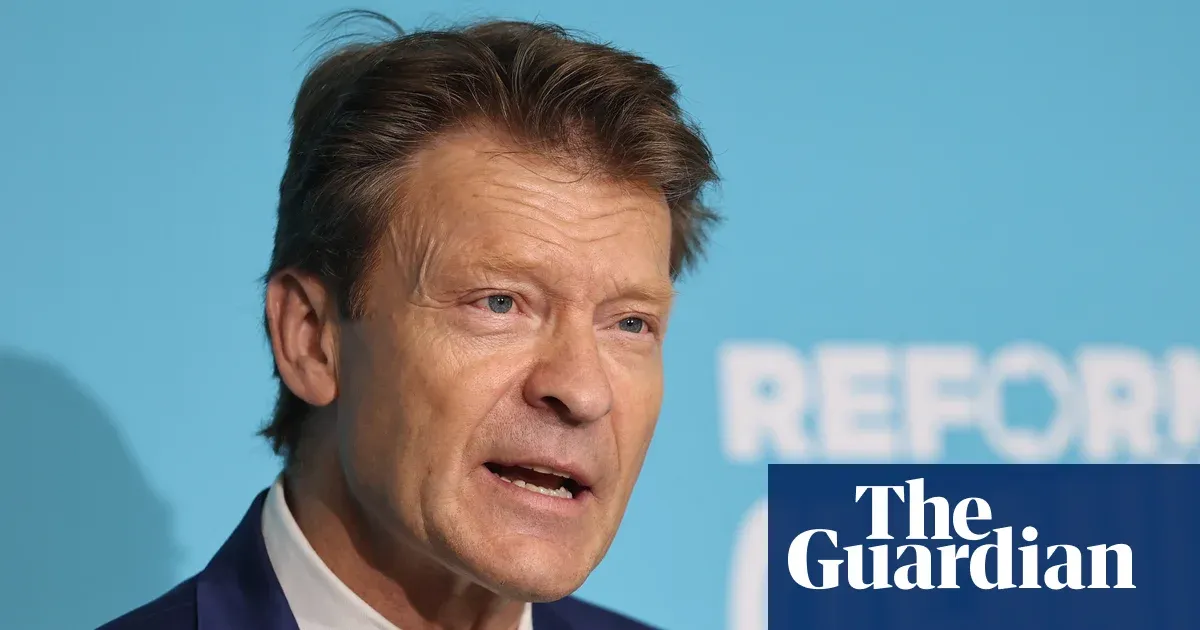
Standards watchdog opens probe into Reform UK deputy leader Richard Tice over interests
The parliamentary standards commissioner says it began an investigation on 28 July into a possible undeclared interest.