
Neon drops Hirokazu Kore-eda’s AI family trailer: android son returns, July 17 U.S. debut
A Cannes premiere and Neon’s first trailer set up Kore-eda’s AI family drama about resurrecting a child through an android.
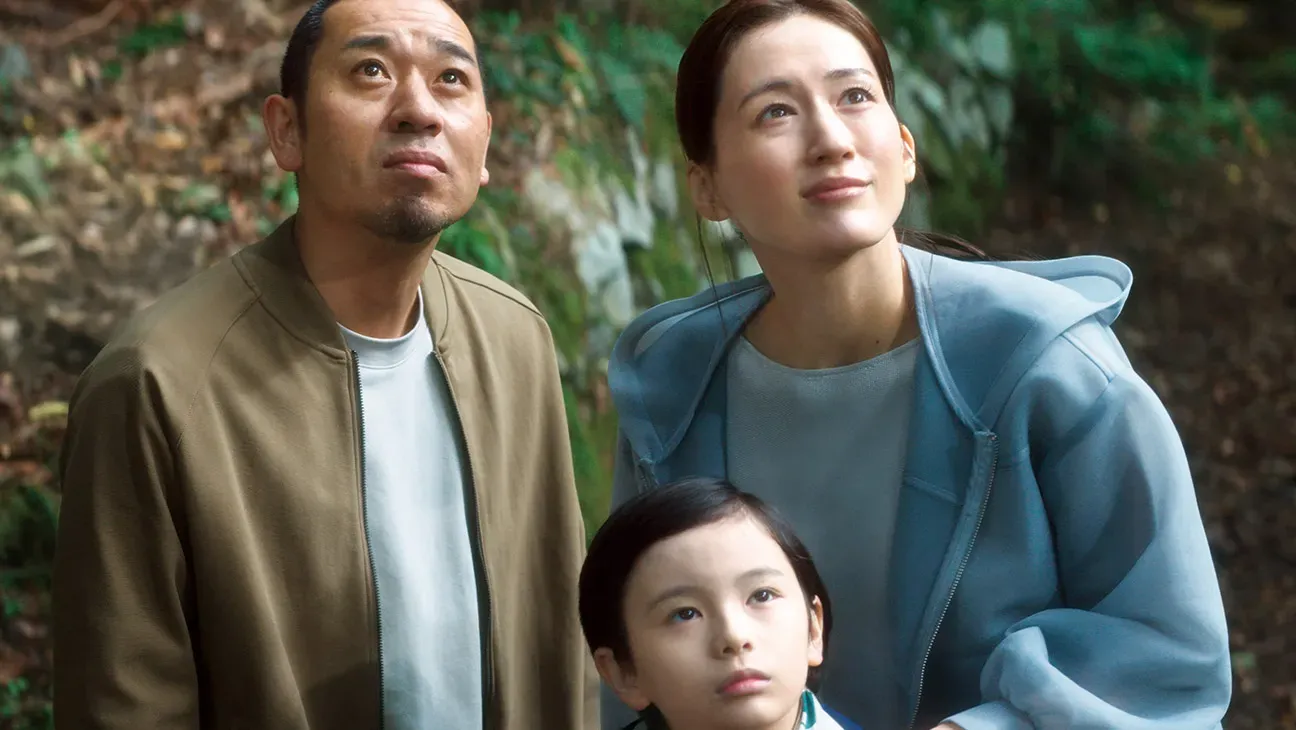
Neon has released the first trailer for Hirokazu Kore-eda’s Palme d'Or winner, Sheep in the Box, which debuted at Cannes and opens in U.S. theaters on July 17. For decision-makers, the film turns an increasingly real-world AI question into a mainstream box-office risk and opportunity: how audiences will react to “AI as family” narratives.
Neon just dropped the first trailer for Hirokazu Kore-eda’s AI family drama Sheep in the Box, and the premise is immediately unnerving in the way only good sci-fi can manage. A Japanese couple welcomes an AI-powered android re-creation of their deceased son into their home. It is the kind of setup that does not just ask whether the technology works. It asks whether it should be allowed to become a member of the family.
The context matters, because this is not some niche festival curio. Kore-eda’s latest feature premiered at Cannes, and Neon’s U.S. release is scheduled for July 17. That combination, Cannes prestige plus a mainstream U.S. opening date, is the real business story. It signals that the distributor believes the theme can travel, that the audience will show up even if the subject is emotionally volatile: grief, identity, and the “simulation” problem of AI that tries to stand in for a real person.
To understand why this matters beyond film fans, zoom out to how AI is moving from technical curiosity to everyday coping mechanism. When an AI system is framed as companionship, the selling point is no longer performance. It is comfort. A trailer like this pressures the cultural center of gravity: it turns “AI” into “family,” which means the moral and social implications land in living rooms, not lab conferences. Even if your company is not in entertainment, boards everywhere are watching this same shift in narratives and expectations. People are learning to talk about AI as relationship infrastructure, not just software.
There is also a regulatory undertone, even when a film is not explicitly a policy thriller. AI-powered re-creations of deceased individuals raise questions that regulators around the world have been circling, usually under broader themes like data rights, consent, and the use of personal likeness. The premise here is a stark version of what happens when someone’s identity can be algorithmically rebuilt and then placed into a household. For decision-makers, the second-order implication is that public comfort will become a gating factor for adoption. If mainstream storytelling normalizes these scenarios too quickly, lawmakers may face more pressure to catch up. If storytelling turns hostile, regulators could see legitimacy and urgency.
From a distribution and capital standpoint, Neon is effectively betting that Kore-eda’s credibility can carry a high-emotion concept into a commercially viable release. Cannes premieres are often treated like a stamp, but they are also a timing test. A July 17 opening means the film has to compete for attention during a period when audiences are already primed for theatrical outings. The trailer is the early conversion instrument. If it communicates character and craft fast enough, the film can earn word-of-mouth rather than rely solely on awards momentum.
For peers in entertainment and adjacent industries, this is a useful stress test. The film is centered on an AI-powered android re-creation of a deceased son, which implies a careful boundary between remembrance and replacement. That boundary is exactly where businesses tend to run into trouble with AI adoption: customers may accept tools that help them remember, but recoil at tools that seem to rewrite who someone is. Boards will recognize the parallel. Whether the product is AI customer support, digital avatars, or other forms of synthetic identity, trust hinges on consent, transparency, and the emotional truth of how the system is used.
Finally, consider the brand and ecosystem effects. When an acclaimed director from the Palme d'Or orbit brings AI into the family home, it changes what the mainstream expects “AI stories” to include. It pushes the genre toward ethical and psychological consequences, not just novelty. That shift can influence everything from investor sentiment to talent choices, because it reframes what audiences reward: not only intelligence, but humanity. Sheep in the Box opens in U.S. theaters on July 17, and by then the industry will have an early read on whether mainstream viewers want AI to be a tool, a mirror, or a person-shaped substitute.
This story's Key Insights and Take-aways are locked.
Create a free account to unlock Executive Actions for one credit.
Register to UnlockAlways free for Executives Club members. Join the Club
More in Entertainment
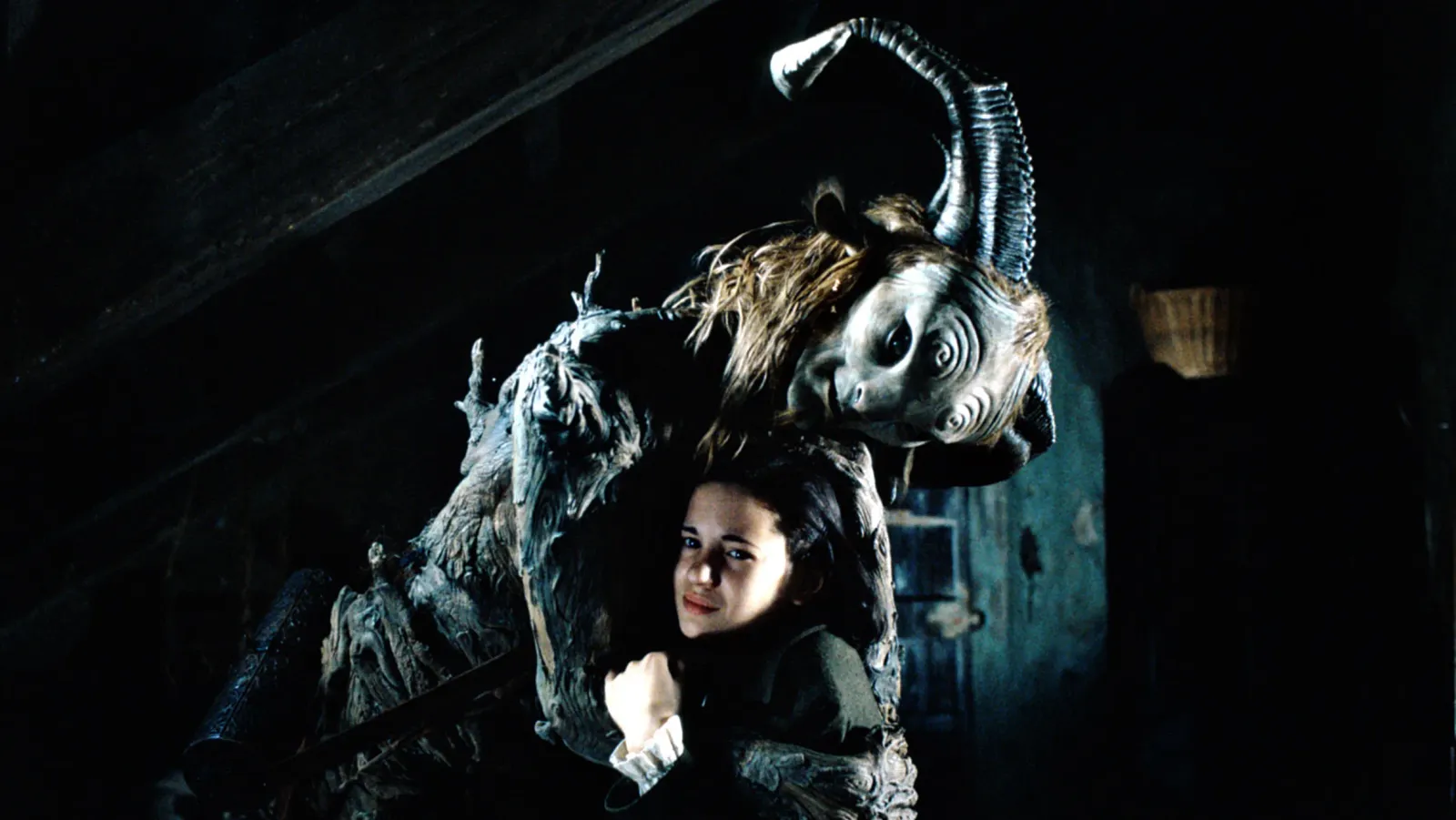
Guillermo del Toro says “no goddamn AI” as Pan’s Labyrinth 3D re-release debuts Oct. 9
He’s drawing a hard line on restoration tech at Comic-Con, and it signals where major creatives may land next.

Cory Barlog confirms Santa Monica Studio’s next God of War stars Kratos
The director says Kratos’ next chapter lands after God of War: Ragnarok’s sequel, Laufey, in 2027.

Cory Barlog confirms next Kratos-led God of War follows Laufey, Feb 16, 2027
Santa Monica is extending the Faye universe and tying the next Kratos-led chapter directly to Laufey's story.