
NetEase’s Blood Message demo at Summer Game Fest screams God of War-grade action
A brutal one-shot gameplay preview suggests NetEase can play in Sony Santa Monica territory, with higher risk, higher reward.
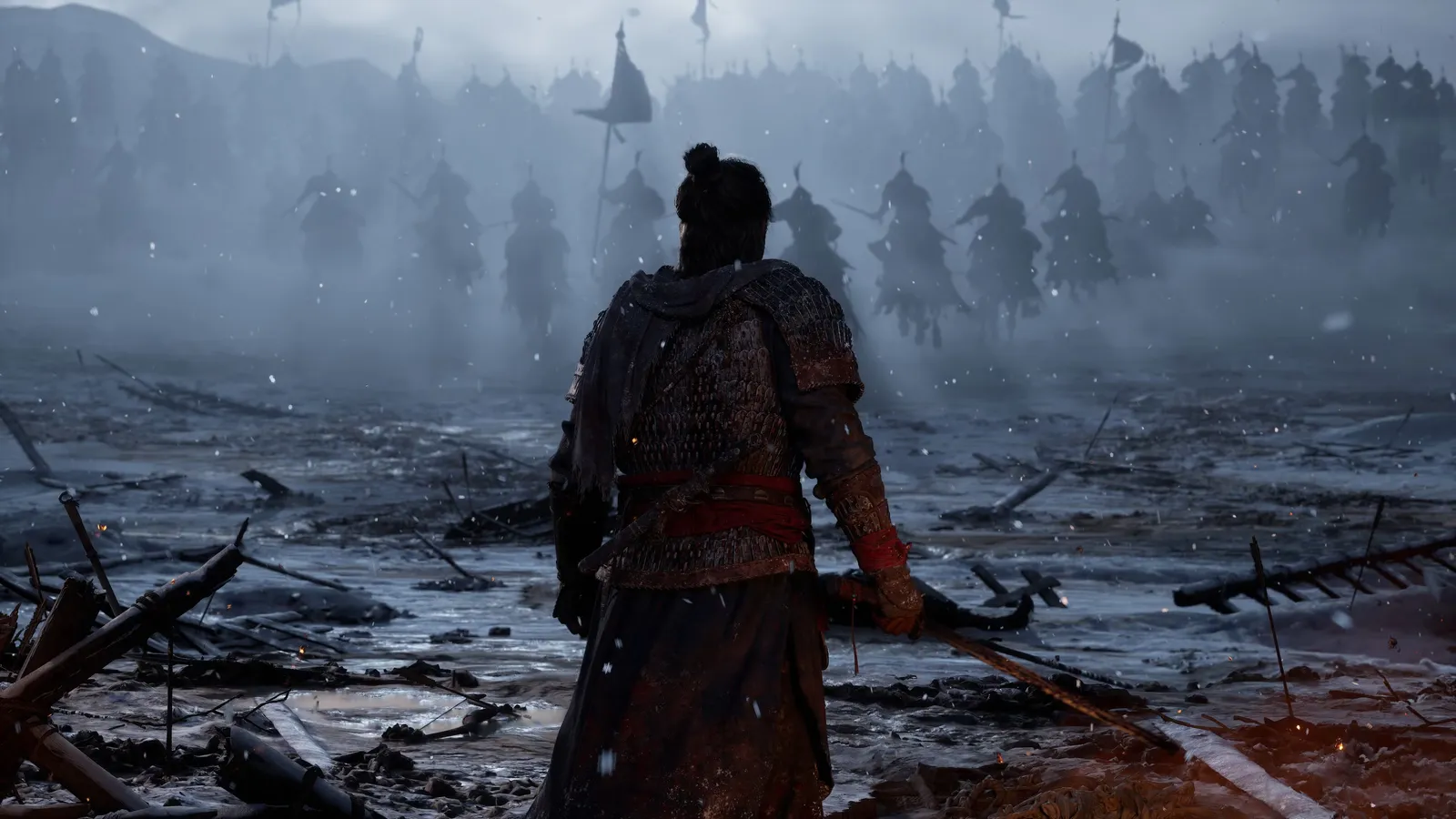
NetEase showed Blood Message at Summer Game Fest with a hands-on demo that emphasized brutal combat and a slick one-shot presentation. For decision-makers, it signals intensifying competition in cinematic third-person action and raises the bar for production value.
Blood Message made a loud first impression at Summer Game Fest, and the reason isn’t subtle. NetEase’s hands-on gameplay preview leaned hard into brutal combat and paired it with an impressive one-shot presentation, the kind of cinematic packaging that usually comes from the biggest first-party studios.
That matters because the most obvious benchmark in the space right now is Sony Santa Monica’s next grand action game, God of War: Laufey. At this point, Sony Santa Monica (and PlayStation more broadly) has built a reputation for cinematic third-person action games. Recent examples like Ghost of Yōtei, God of War Ragnarök, and Marvel’s Spider-Man 2 have landed as smash hits, and the genre’s “premium feel” has become a moat that players can sense instantly.
So when Polygon recently went hands-on with Blood Message, the immediate takeaway was not “another action game.” It was “another action game that wants to compete at the same emotional volume and spectacle level.” A one-shot presentation is more than a flashy technical trick. It communicates confidence. It implies a game that can sustain pacing, readability, and combat clarity in real time, without the safety net of cutting away from chaos. In a market where player attention is fragile and comparison shopping is constant, that is a strategic signal.
If you are thinking like an operator or investor, the interesting part is the combination of style and combat tone. The demo “leaned into brutal combat,” which suggests Blood Message is not trying to soften the experience into a generic action movie. Brutality tends to pull players into a tighter loop: hit, react, reposition, repeat. It also forces tougher design choices. If the combat is brutal, the animation quality, hit feedback, enemy behavior, and balancing have to be sharp enough that the violence feels fair, not frustrating. Otherwise, players interpret it as unfinished rather than intense.
There is also a business subtext here that gets missed when people just talk about flashy trailers. Cinematic third-person action is expensive to produce, expensive to market, and expensive to support after launch. Studios that win in this lane typically have deep talent pools, proven pipelines, and the ability to iterate toward polish. For NetEase, pushing Blood Message into this category signals a willingness to allocate serious resources toward a premium experience rather than aiming for a lower-cost alternative.
From a strategic competition standpoint, Blood Message’s Summer Game Fest showing increases pressure on everyone playing the same game, literally and commercially. Sony’s recent record in this genre has helped define what “great” looks and feels like, and players have started to treat those standards as baseline. When Polygon’s preview connects Blood Message to that same orbit, it effectively tells decision-makers that the battlefield is expanding beyond the usual incumbents. That can change how budgets are justified, how development risk is accepted, and how studios position their next releases.
Now, about the reference point: God of War: Laufey is described as “the next grand action game from Sony Santa Monica,” and it is highlighted as one of Summer Game Fest season’s biggest reveals. That framing matters because it tells you where the audience attention went first. After a reveal like that, a new demo has to cut through not only by being good, but by being comparably compelling. Blood Message appears to have done that by pairing brutal combat with a presentation style that keeps the player locked in.
The second-order implication for boards and executive teams is simple: the premium action shelf is getting more crowded, and “cinematic” is no longer enough on its own. Blood Message’s hands-on preview suggests NetEase is trying to win on two levers simultaneously: combat identity and cinematic delivery. If that translates from demo to finished product, it raises the bar for the next wave of third-person action releases across studios trying to capture the same audience with similar production ambitions.
This story's Key Insights and Take-aways are locked.
Create a free account to unlock Executive Actions for one credit.
Register to UnlockAlways free for Executives Club members. Join the Club
More in Entertainment
West Ham co-chairs back BBC women, then hand Czech billionaire the biggest stake
Daniel Kretinsky and Vanessa Gold back the women speaking in the BBC investigation and approve an ownership deal with Daniel Kretinsky’s co-chairs' preferred outcome.
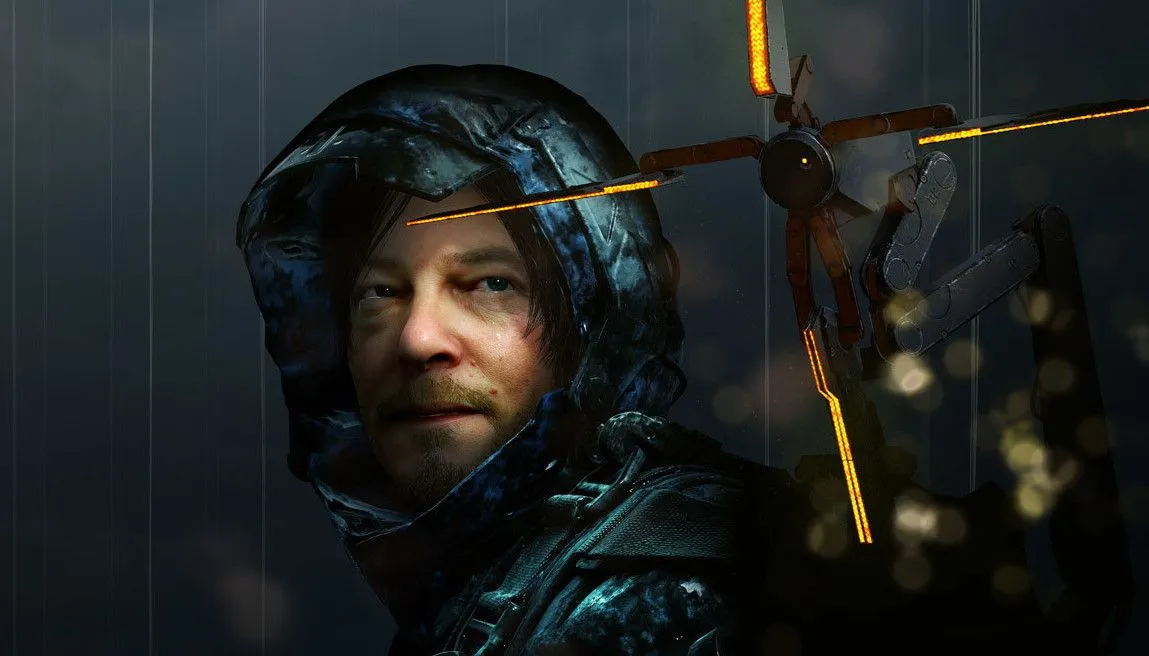
Death Stranding director Michael Sarnoski won’t retell the game, sets a film “corner of the world”
The A24 adaptation will use some game characters at most, but centers Sarnoski’s own story and worldbuilding.

Beeban Kidron: big tech needs its “tobacco moment” or risks children getting harmed
Director-turned-online safety campaigner argues platforms must act like tobacco regulators did, before tragedies force action.