
Netflix adds ASL interpretations to dozens of kids shows with SignUp Media
The streaming giant expands accessibility for children’s content, teaming with SignUp Media to broaden ASL coverage across titles.
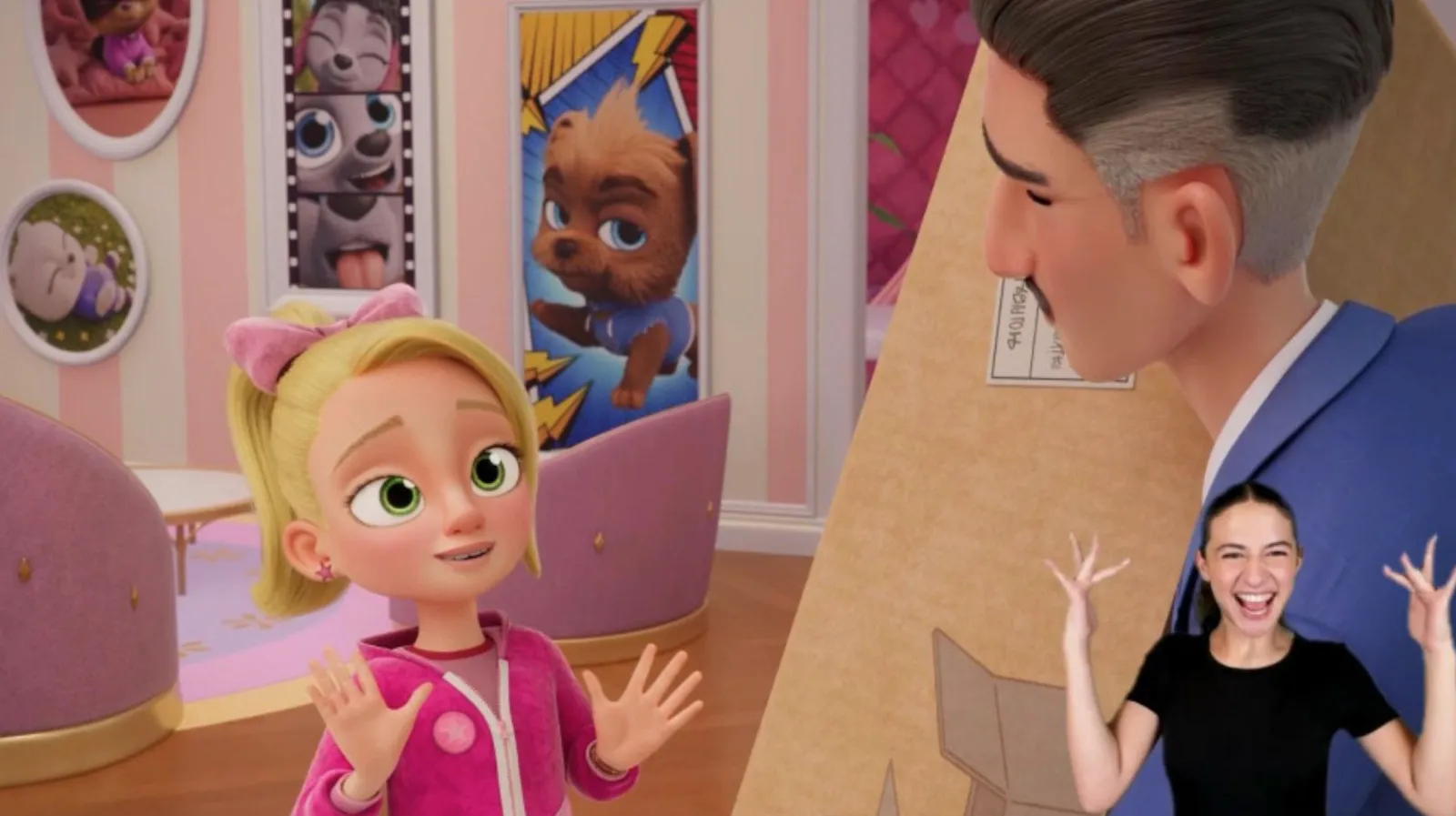
Netflix is teaming up with SignUp Media to offer ASL (American Sign Language) interpretations on dozens of children’s shows and movies. For decision-makers, the move signals that accessibility features are becoming standard product requirements, not optional extras.
Netflix has teamed up with a company called SignUp Media to offer ASL interpretations on dozens of kids shows and movies. That’s the headline: ASL interpretation is moving beyond a niche feature and into mainstream children’s programming on one of the largest platforms in the world.
For parents and accessibility advocates, this matters because kids are not small adults. They often rely more heavily on the way information is delivered than on the content itself, and interpreting spoken audio into a visual language can make the difference between “mostly understandable” and “fully included.” Netflix’s approach, as described by Engadget, is to pair kids content with ASL interpretations through SignUp Media, expanding how accessible the library can be for viewers who use ASL.
The reason executives should pay attention is not just the intent. It is the operational signal. Adding ASL interpretations is a production and post-production commitment: it requires coordination, timing, and delivery formats that work across devices. When Netflix partners with a specialized firm like SignUp Media for this work, it suggests Netflix is treating ASL as part of the product roadmap rather than a one-off initiative tied to a single title or season.
There is also a broader marketplace context. Streaming companies compete on content volume, but accessibility increasingly becomes a differentiator that affects subscriber satisfaction and public perception. For kids content in particular, accessibility can shape who feels welcome in a family subscription. That can influence retention and reduce friction for households actively looking for inclusive viewing options.
From a regulatory and risk-management lens, accessibility is increasingly framed as a baseline expectation for digital services. While the source here does not cite specific regulations or legal requirements, the direction of travel across the industry is clear: features that make content usable for people with disabilities tend to become more standardized over time. Netflix’s move with SignUp Media can be read as an investment in meeting those expectations proactively, while also improving the product for a larger audience.
Second-order implications for boards and senior leadership are practical. If Netflix is expanding ASL interpretations for a wide range of kids titles, competitors will notice. Product teams at other streamers typically do not want to fall behind on accessibility capabilities, because it can show up in customer feedback, brand sentiment, and partnership discussions. Once a major player normalizes an accessibility feature, the bar rises for everyone.
There is also an ecosystem effect. When accessibility capabilities are implemented at scale, the demand for specialized partners grows. SignUp Media benefits from a broader distribution footprint, but Netflix also gets what it likely needs most: speed, repeatability, and expertise that can handle dozens of titles without reinventing the workflow each time. That partnership model is how large platforms absorb complex requirements while keeping delivery predictable.
Strategically, this is the kind of move that can quietly reshape how executives define “core user experience.” Accessibility is sometimes treated as an overlay, like captions or a menu toggle. But ASL interpretations, especially for children’s content, require deeper integration with content presentation. If Netflix can do this across dozens of kids shows and movies, it sets a template for what “inclusive by default” could look like in the next wave of streaming features.
For peers in similar roles, the stakes are simple. Viewers are paying attention. Regulators and advocacy groups are watching digital experiences. And competitors can turn a feature gap into a narrative gap. Netflix’s ASL expansion with SignUp Media is not just a kindness. It is a product commitment that raises expectations across the industry.
This story's Key Insights and Take-aways are locked.
Create a free account to unlock Executive Actions for one credit.
Register to UnlockAlways free for Executives Club members. Join the Club
More in Technology

Google quietly links your phone number to every Android account on your SIM
Adding a SIM now ties your phone number to all Google accounts - and future accounts inherit it. Here's the security and privacy stakes.

Hijacker AI 'Skynet mode' runs 100,000 attack steps against exposed models
Symantec caught a criminal AI agent that borrows other models, steals data, and mines crypto; the only relief is no confirmed victims yet.

Nvidia's AI-financier shift faces its first big test as neoclouds stumble
A rout in neocloud stocks is forcing investors to weigh Nvidia's hidden exposure as both supplier and lender to the AI buildout.