
Netflix brings Alan Chikin Chow’s Alan’s Universe to subscribers, day-and-date with YouTube
New episodes land on Netflix at the same time as YouTube, expanding Alan’s Universe globally plus a growing back catalog.

Netflix is expanding its relationship with YouTube creator Alan Chikin Chow by bringing his Alan’s Universe videos to the platform. The collaboration lets members worldwide watch new episodes day-and-date with YouTube and access a library of prior episodes.
Netflix is rolling out Alan Chikin Chow’s Alan’s Universe on its service, turning the hit YouTube creator’s episodes into something subscribers can stream alongside Netflix’s broader slate. Under the collaboration, members globally can watch new episodes dropping day-and-date with YouTube. Along with those fresh releases, Netflix is also bringing a library of Alan’s Universe episodes to the platform.
That “day-and-date” detail matters because it signals Netflix is not treating the deal like a slow-burn syndication play. It is aligning release timing with YouTube, the channel where creators like Chikin Chow built and refined their audiences in the first place. In other words, Netflix is meeting creators where attention already lives, not asking them to wait for Netflix’s internal schedule.
From an operator and board perspective, this is a strategic inch toward a bigger reality: audience behavior is increasingly built around creator communities and format familiarity, not only around studio production pipelines. Alan’s Universe is described as a cross between a classic Disney Channel sitcom and the hit K-drama Boys. That blend is informative for executives thinking about genre packaging. Netflix is leaning into “hybrid programming” that can appeal to viewers who like episodic comfort (the sitcom reference) and viewers who follow highly serialized, character-driven storytelling (the K-drama reference). The point is not just content acquisition, it is keeping the product legible to mobile-first, creator-native audiences.
For Netflix, the economics of getting a library matters alongside day-and-date premieres. The source specifically notes that members can access “a library of Alan’s Universe episodes.” Libraries reduce the risk profile for churn-sensitive subscribers because they offer evergreen discovery. If the platform only had premieres, subscribers who miss one week might lose the thread. With a back catalog, the value proposition becomes “always something to watch,” which is how streaming services typically lengthen viewing sessions.
There is also a partnership signaling effect to watch. The deal is framed as Netflix expanding its relationship with Alan Chikin Chow, which implies this is not Netflix’s first brush with his work. Even without additional detail in the source, the direction is clear: Netflix wants to keep creators inside its orbit, and it is doing so by preserving the creator’s release cadence with YouTube. Day-and-date is a form of brand protection for creators, because it avoids a scenario where fans have to choose between platforms or wait longer for the “real” release.
Now zoom out to the broader market. Streaming platforms are in an arms race for attention, and attention does not behave like traditional TV inventory. It is fragmented across apps, time zones, and distribution partners. Aligning releases with YouTube, the world’s biggest creator distribution engine, reduces friction for global audiences. Netflix is essentially acknowledging that it competes not only with other streamers, but also with the creator ecosystem that trains viewers to expect frequent drops.
Second-order implications for executives and boards are most visible in how this might shape internal KPIs. When a platform carries day-and-date releases tied to YouTube, success metrics may shift from “how long until discovery” to “how consistent is retention when the release calendar is predictable.” Libraries then help fill gaps between premieres, smoothing out weekly engagement. If Netflix is serious about day-and-date as a template, it could increase the importance of partnerships that bring repeatable cadence, not just one-off tentpole content.
For peers considering similar deals, the core strategic stake is timing and trust. If you distribute a creator-led format on a different schedule, you can create a split audience, forcing fans to fragment across services. If you preserve timing, you protect the audience expectation the creator built. This Netflix approach, as described in the source, is a tangible example of that lesson: bring Alan’s Universe to Netflix, keep new episodes synced with YouTube, and back it up with a library so subscribers have reasons to return even when premieres are not imminent.
This story's Key Insights and Take-aways are locked.
Create a free account to unlock Executive Actions for one credit.
Register to UnlockAlways free for Executives Club members. Join the Club
More in Entertainment
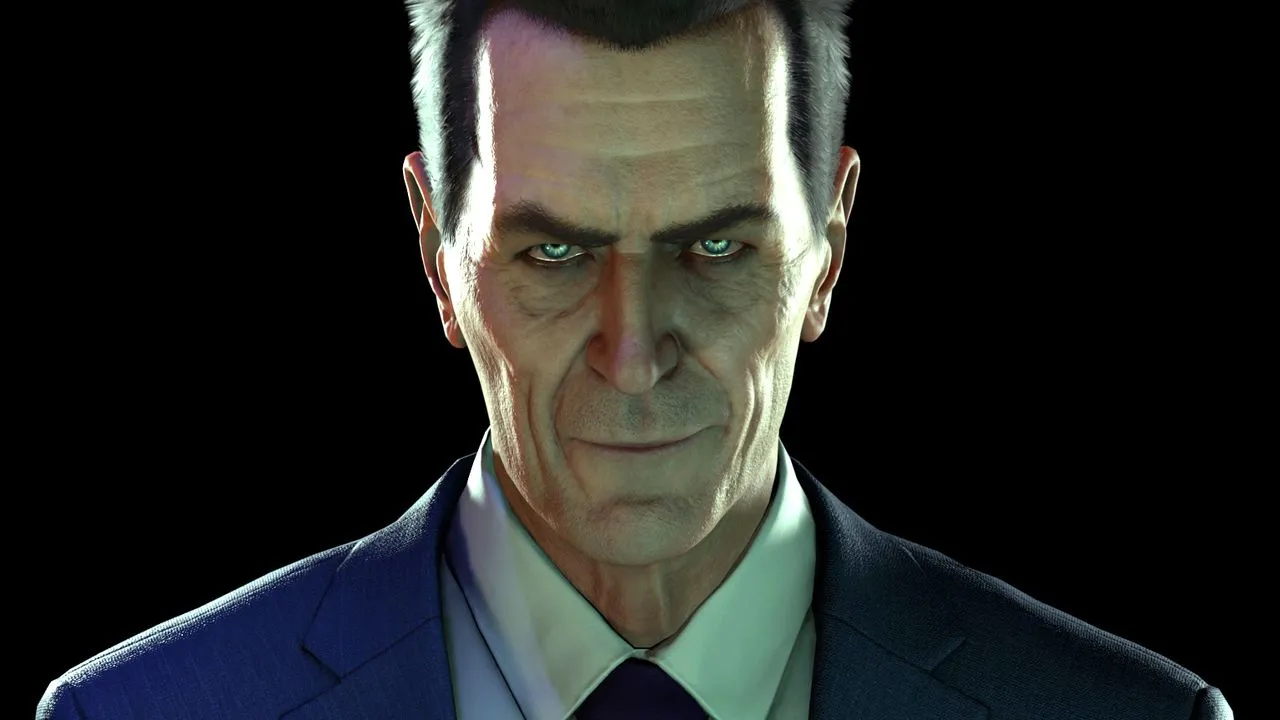
12TB Steam 'teraleak' goes beyond Valve: GTA 3, Mafia 2 prototypes exposed
A 12-terabyte dump of Steam data reveals prototypes and builds of third-party classics like GTA 3 and Mafia 2, plus unreleased Valve content, rewriting game history.
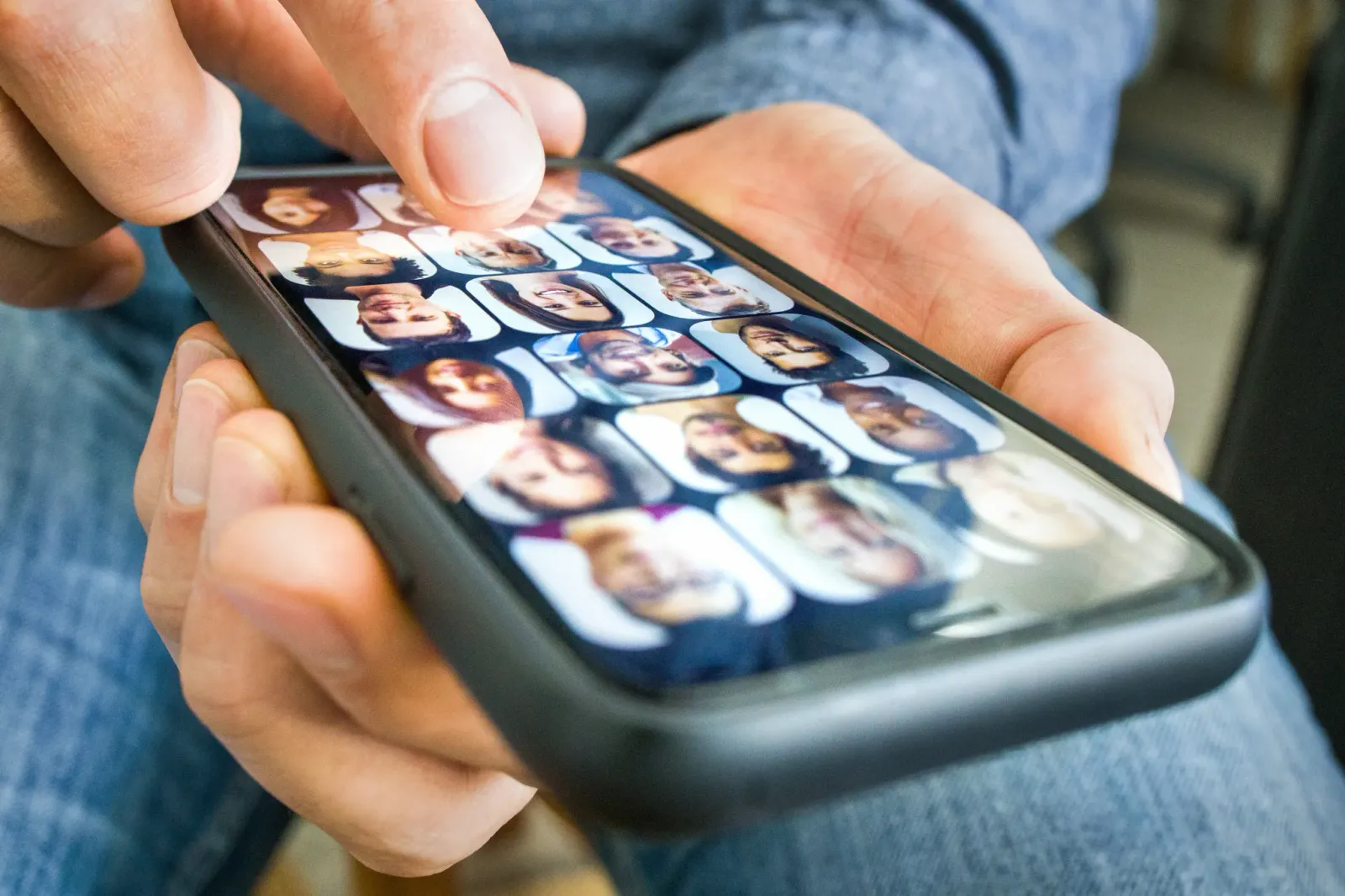
LinkedIn's romance problem: 1 in 4 workers say dating on it is fair game
A new survey shows a quarter of U.S. employees treat the professional network as fair game for romance, even as LinkedIn bans it and removes hundreds of thousands of offending posts.
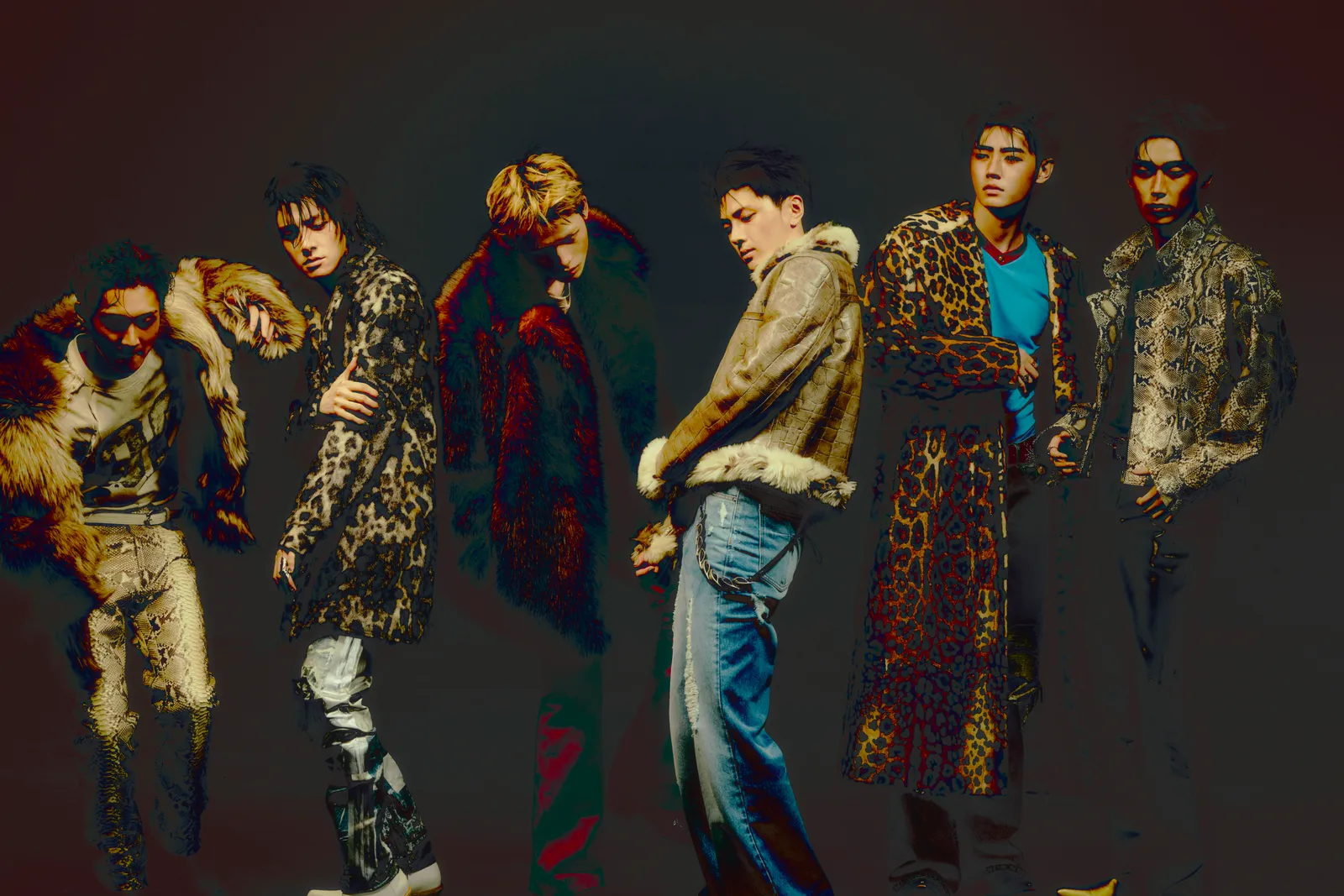
Enhypen's first No. 1 album breaks K-pop's Billboard 200 streak
The K-pop group's 98,000-unit debut tops the chart while Dolly Parton's catalog reentry shows how death reshapes streaming.